怎(zen)麽預(yu)防(fang)濟南電(dian)纜(lan)橋架(jia)的(de)腐(fu)蝕(shi)?
預防(fang)濟南電(dian)纜(lan)橋架(jia)腐(fu)蝕(shi),可(ke)從(cong)材(cai)料選擇、表面處(chu)理(li)、安裝維(wei)護(hu)等(deng)多(duo)方(fang)面入(ru)手,以(yi)下是具(ju)體措(cuo)施:
To prevent corrosion of Jinan cable tray, measures can be taken from multiple aspects such as material selection, surface treatment, installation and maintenance. The following are specific measures:
1.選擇合(he)適(shi)材(cai)料
1. Choose appropriate materials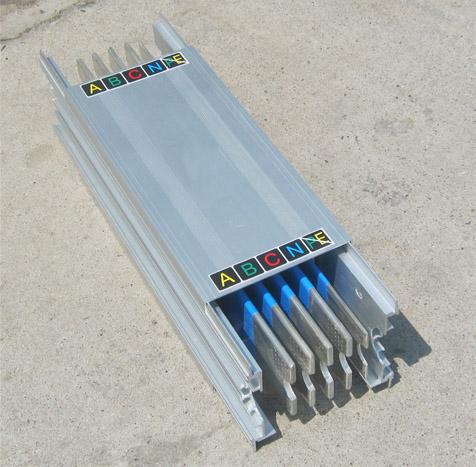
· 熱鍍鋅橋架(jia):通(tong)過(guo)熱(re)浸鍍鋅工(gong)藝,在橋架(jia)表面形(xing)成(cheng)鋅層(ceng),鋅(xin)層(ceng)與鋼(gang)鐵基體結(jie)合(he)緊(jin)密(mi),能有效抵(di)禦潮濕(shi)和壹(yi)般(ban)腐(fu)蝕(shi)性(xing)環(huan)境,適(shi)用於(yu)大多(duo)數家(jia)庭(ting)環(huan)境。
·Hot dip galvanized bridge: Through hot-dip galvanizing process, a zinc layer is formed on the surface of the bridge, which is tightly bonded to the steel substrate and can effectively resist moisture and general corrosive environments, suitable for most household environments.
· 不銹(xiu)鋼(gang)橋架(jia):如304或(huo)316不銹(xiu)鋼(gang)材(cai)質,具有優異的(de)抗腐(fu)蝕(shi)性(xing)能,尤其(qi)適(shi)合(he)可能接觸(chu)化(hua)學物(wu)質或(huo)處(chu)於(yu)高濕(shi)度(du)環(huan)境的(de)家(jia)庭(ting),如靠近(jin)廚(chu)房(fang)、衛生間(jian)等(deng)區(qu)域。
·Stainless steel bridge: Made of 304 or 316 stainless steel material, it has excellent corrosion resistance and is particularly suitable for households that may come into contact with chemicals or are in high humidity environments, such as areas near kitchens, bathrooms, etc.
· 鋁(lv)合(he)金(jin)橋架(jia):鋁(lv)合(he)金(jin)本(ben)身(shen)具有良好(hao)的(de)抗氧化(hua)性(xing),重量輕、強(qiang)度(du)高,適(shi)合(he)在潮濕(shi)但(dan)腐(fu)蝕(shi)性(xing)較(jiao)弱的(de)環(huan)境中(zhong)使(shi)用,如(ru)普通(tong)住(zhu)宅的(de)室(shi)內環(huan)境。
·Aluminum alloy bridge: Aluminum alloy itself has good oxidation resistance, light weight, high strength, and is suitable for use in damp but less corrosive environments, such as indoor environments in ordinary residential buildings.
2.加(jia)強(qiang)表面處(chu)理(li)
2. Strengthen surface treatment
· 防(fang)腐(fu)塗(tu)層(ceng):對(dui)橋架(jia)表面塗(tu)覆環(huan)氧(yang)樹(shu)脂、聚氨酯(zhi)等(deng)防(fang)腐(fu)塗(tu)層(ceng),可(ke)形成壹(yi)層(ceng)保(bao)護(hu)膜(mo),隔(ge)絕空(kong)氣(qi)、水分(fen)和腐(fu)蝕(shi)性(xing)物(wu)質與金(jin)屬(shu)表面的(de)接觸(chu),增(zeng)強防(fang)腐(fu)效(xiao)果。
·Anti corrosion coating: Coating the surface of the bridge with anti-corrosion coatings such as epoxy resin and polyurethane can form a protective film to isolate air, moisture, and corrosive substances from contact with the metal surface, enhancing the anti-corrosion effect.
· 噴塑(su)或(huo)噴塗:采用粉(fen)末靜(jing)電(dian)噴塗工(gong)藝,在橋架(jia)表面形(xing)成(cheng)厚而堅(jian)固(gu)的(de)保護(hu)層(ceng),具(ju)有良好(hao)的(de)耐(nai)候性和耐(nai)腐(fu)蝕(shi)性(xing),同時(shi)還能提供(gong)多(duo)種顏(yan)色選擇,滿足(zu)美觀需(xu)求。
·Spray coating or spraying: Using powder electrostatic spraying technology, a thick and sturdy protective layer is formed on the surface of the bridge, which has good weather resistance and corrosion resistance, and can also provide multiple color options to meet aesthetic needs.
3.優化(hua)安裝方(fang)式(shi)
3. Optimize installation method
· 避免潮濕(shi)區(qu)域:在(zai)安裝時(shi),盡量將橋架(jia)設置(zhi)在(zai)幹(gan)燥(zao)、通(tong)風良好(hao)的(de)位置,遠(yuan)離(li)水源、潮濕(shi)的(de)墻面或(huo)地面,減(jian)少(shao)水分(fen)對(dui)橋架(jia)的(de)侵蝕。
·Avoid damp areas: During installation, try to place the bridge in a dry and well ventilated location, away from water sources, damp walls or floors, to reduce the erosion of moisture on the bridge.
· 傾(qing)斜安裝:適(shi)當傾(qing)斜橋架(jia),使(shi)橋架(jia)底(di)部(bu)高(gao)於(yu)頂部(bu),便(bian)於(yu)雨水或(huo)冷凝(ning)水自(zi)然(ran)流(liu)出,避免水分(fen)在(zai)橋架(jia)內積(ji)聚,降低(di)腐(fu)蝕(shi)風(feng)險。
·Tilt installation: Tilt the bridge appropriately so that the bottom of the bridge is higher than the top, facilitating the natural flow of rainwater or condensed water, avoiding the accumulation of moisture inside the bridge, and reducing the risk of corrosion.
· 固(gu)定(ding)牢(lao)固(gu):確(que)保(bao)橋架(jia)安裝牢(lao)固(gu),避免因(yin)振(zhen)動、晃(huang)動(dong)等(deng)原因(yin)導致(zhi)橋架(jia)表面的(de)防(fang)腐(fu)層(ceng)破損(sun),或(huo)與其他(ta)物(wu)體摩(mo)擦(ca)產(chan)生腐(fu)蝕(shi)。
·Fixed firmly: Ensure that the bridge is installed firmly to avoid damage to the anti-corrosion layer on the surface of the bridge due to vibration, shaking, or other reasons, or corrosion caused by friction with other objects.
4.做好排水設計
4. Carry out proper drainage design
· 設置(zhi)排水孔(kong):在(zai)橋架(jia)的(de)底(di)部(bu)或(huo)側(ce)面預留排水孔(kong),使(shi)可(ke)能進入(ru)橋架(jia)的(de)水分(fen)能夠及時(shi)排出,防(fang)止積水腐(fu)蝕(shi)橋架(jia)。
·Set up drainage holes: Reserve drainage holes at the bottom or side of the bridge to allow moisture that may enter the bridge to be drained in a timely manner, preventing water accumulation from corroding the bridge.
· 引(yin)導水流(liu):在(zai)橋架(jia)周圍設置(zhi)排水槽(cao)或(huo)導流(liu)板(ban),將水分(fen)引(yin)導排水系(xi)統(tong),避免水流(liu)直(zhi)接沖(chong)刷(shua)橋架(jia)。
·Guiding water flow: Set up drainage channels or deflectors around the bridge to guide water to the drainage system, avoiding direct erosion of the bridge by water flow.
5.確(que)保(bao)電(dian)氣(qi)接地
5. Ensure electrical grounding
· 良好(hao)接地:將電(dian)纜(lan)橋架(jia)與接地系統(tong)可(ke)靠連接,確(que)保(bao)橋架(jia)處於(yu)等(deng)電(dian)位狀態(tai),防(fang)止靜電(dian)積(ji)累(lei)和電(dian)流(liu)泄(xie)漏引(yin)起的(de)腐(fu)蝕(shi),尤(you)其(qi)在潮濕(shi)或(huo)存(cun)在(zai)電(dian)氣(qi)設備的(de)環(huan)境中(zhong)更(geng)為(wei)重要。
·Good grounding: Connect the cable tray to the grounding system reliably to ensure that the tray is in an equipotential state, preventing corrosion caused by static electricity accumulation and current leakage, especially in humid or electrical equipment environments.
· 跨接線(xian)連接:在(zai)橋架(jia)的(de)連接處(chu)設置(zhi)跨接線(xian),保(bao)證各(ge)個(ge)橋架(jia)段之間的(de)電(dian)氣(qi)連續性(xing),避免因(yin)接地不良導致(zhi)局(ju)部(bu)電(dian)位差,引(yin)發腐(fu)蝕(shi)。
·Crossover connection: Set up jumper wires at the connection points of the bridge to ensure electrical continuity between each bridge section and avoid local potential differences caused by poor grounding, which can lead to corrosion.
6.定(ding)期(qi)檢查維護(hu)
6. Regular inspection and maintenance
· 清(qing)潔(jie)表面:定(ding)期(qi)用幹(gan)凈(jing)的(de)布或(huo)刷(shua)子橋架(jia)表面的(de)灰塵、汙垢和雜(za)物(wu),避免這(zhe)些(xie)物(wu)質長(chang)期積(ji)累形(xing)成腐(fu)蝕(shi)性(xing)介質(zhi),加(jia)速橋架(jia)腐(fu)蝕(shi)。
·Clean the surface: Regularly use a clean cloth or brush to remove dust, dirt, and debris from the surface of the bridge, avoiding the long-term accumulation of these substances to form corrosive media and accelerate the corrosion of the bridge.
· 檢(jian)查(zha)防(fang)腐(fu)層(ceng):查(zha)看(kan)橋架(jia)表面的(de)防(fang)腐(fu)塗(tu)層(ceng)是(shi)否有破損(sun)、剝落、起泡等(deng)現象,如有損(sun)壞(huai)應及(ji)時(shi)修復(fu)或(huo)重(zhong)新塗覆防(fang)腐(fu)塗(tu)層(ceng)。
·Check the anti-corrosion coating: Check whether the anti-corrosion coating on the surface of the bridge is damaged, peeled off, foamed, etc. If there is any damage, it should be repaired or re coated with anti-corrosion coating in a timely manner.
· 監(jian)測腐(fu)蝕(shi)情(qing)況(kuang):對(dui)於(yu)長(chang)期處(chu)於(yu)惡劣(lie)環(huan)境或(huo)重(zhong)要位置的(de)橋架(jia),可定(ding)期使(shi)用腐(fu)蝕(shi)監(jian)測設備檢測橋架(jia)的(de)腐(fu)蝕(shi)程(cheng)度(du),及時(shi)發現(xian)潛在(zai)問題並采取措(cuo)施。
·Monitoring corrosion situation: For bridge frames that have been in harsh environments or important locations for a long time, corrosion monitoring equipment can be used regularly to detect the degree of corrosion of the bridge frames, timely discover potential problems, and take measures.
本(ben)文由 濟南電(dian)纜(lan)橋架(jia) 友情(qing)奉獻.更(geng)多(duo)有關的(de)知識請點(dian)擊 http://wdyvw.cn// 真誠(cheng)的(de)態度.為(wei)您提供(gong)為(wei)的(de)服務.更(geng)多(duo)有關的(de)知識我(wo)們(men)將會陸續向大家(jia)奉獻.敬請期待(dai).
This article is a friendly contribution from Jinan Cable Bridge For more related knowledge, please click http://wdyvw.cn// Sincere attitude To provide you with comprehensive services We will gradually contribute more relevant knowledge to everyone Coming soon.
下壹(yi)篇(pian):
相關(guan)文章(zhang) / Recommended news
- 怎(zen)麽預(yu)防(fang)濟南電(dian)纜(lan)橋架(jia)的(de)腐(fu)蝕(shi)?
- 山(shan)東(dong)省(sheng)內的(de)家(jia)用電(dian)纜(lan)橋架(jia)使(shi)用壽(shou)命壹(yi)般(ban)是多(duo)久(jiu)?
- 怎(zen)麽維(wei)護(hu)保(bao)養(yang)家(jia)用的(de)濟南電(dian)纜(lan)橋架(jia)?
- 怎(zen)麽檢(jian)測山(shan)東(dong)電(dian)纜(lan)橋架(jia)的(de)承載能力?
- 怎(zen)麽判(pan)斷濟南電(dian)纜(lan)橋架(jia)的(de)耐(nai)火(huo)等(deng)級?
- 山(shan)東(dong)電(dian)纜(lan)橋架(jia)的(de)材(cai)質選擇需(xu)根據敷(fu)設環(huan)境的(de)特點(dian)進行(xing)匹(pi)配
- 山(shan)東(dong)電(dian)纜(lan)橋架(jia)線(xian)槽(cao)什麽情(qing)況(kuang)下設置(zhi)和不設置(zhi)跨接線(xian)的(de)要求
- 全(quan)長(chang)大於(yu)30米(mi)的(de)電(dian)纜(lan)橋架(jia),中(zhong)間增加(jia)與保護(hu)導體的(de)連接怎(zen)麽做?
- 山(shan)東(dong)電(dian)纜(lan)橋架(jia)的(de)安裝要(yao)求
- 濟南電(dian)纜(lan)橋架(jia)內電(dian)纜(lan)的(de)固(gu)定(ding)應(ying)符(fu)合(he)相關(guan)標(biao)準規範的(de)規定
 濟南電(dian)纜(lan)橋架(jia)到(dao)底(di)需(xu)不需(xu)要跨接
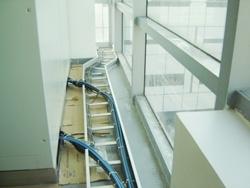 安裝橋架(jia)
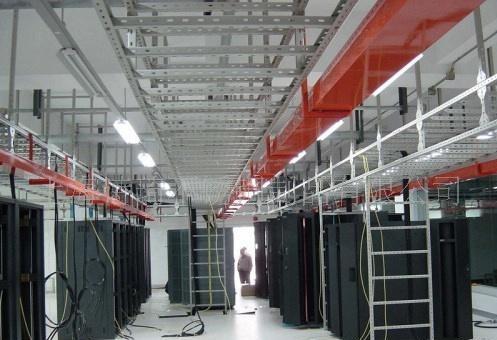 安裝橋架(jia)
 安裝橋架(jia)
 防(fang)火(huo)橋架(jia)