全長(chang)大(da)於(yu)30米的電纜(lan)橋架,中(zhong)間(jian)增加(jia)與保護導(dao)體(ti)的連接怎麽做?
全長(chang)大(da)於(yu)30米的電纜(lan)橋架,中(zhong)間(jian)增加(jia)與保護導(dao)體(ti)的連接怎麽做?
《建(jian)築電氣(qi)與智能化通用規(gui)範(fan)》GB55024-2022的8.7.1條(tiao):
Article 8.7.1 of the General Code for Electrical and Intelligent Construction GB55024-2022: 8.7.1 電(dian)纜(lan)橋架本(ben)體(ti)之間(jian)的連接應(ying)牢(lao)固可(ke)靠(kao),金(jin)屬電(dian)纜(lan)橋架與保護導(dao)體(ti)的連接應(ying)符(fu)合(he)下列(lie)規(gui)定:
1 電纜(lan)橋架全長(chang)不大於(yu)30m時,不應少(shao)於(yu)2處與保護導(dao)體(ti)可(ke)靠(kao)連接;全長(chang)大(da)於(yu)30m時,每(mei)隔(ge)20m~30m應(ying)增加(jia)壹個(ge)連接點起(qi)始(shi)端(duan)和(he)終(zhong)點端(duan)均(jun)應可(ke)靠(kao)接地(di);
2 非鎖(suo)鋅(xin)電纜(lan)橋架本(ben)體(ti)之間(jian)連接板(ban)的兩(liang)端(duan)應跨接保(bao)護聯結導(dao)體(ti),保護聯結導(dao)體(ti)的截面面積(ji)應(ying)符(fu)合(he)設計(ji)要求(qiu):
鎖(suo)鋅(xin)電纜(lan)橋架本(ben)體(ti)之間(jian)不跨接保(bao)護聯結導(dao)體(ti)時,連接板(ban)每(mei)端(duan)不應少(shao)於(yu)2個(ge)有防松螺帽(mao)或防松墊(dian)圈的連接固(gu)定螺栓
24DX002-1《建(jian)築電氣(qi)與智能化通用規(gui)範(fan)》圖示P182頁如下:
The diagram on page 182 of 24DX002-1 "General Code for Electrical and Intelligent Construction of Buildings" is as follows:
當橋架的總長(chang)度(du)a+b+c大於(yu)30米時(shi),橋架每(mei)隔(ge)20~30米(mi)與就近的保護導(dao)體(ti)可(ke)靠(kao)連接。這(zhe)個(ge)保護導(dao)體(ti)可(ke)以是(shi)設(she)置(zhi)在橋架外(wai)(如上圖(tu)所(suo)示)。
When the total length a+b+c of the bridge is greater than 30 meters, the bridge should be reliably connected to the nearest protective conductor every 20-30 meters. This protective conductor can be installed outside the bridge (as shown in the above figure).
但(dan)是(shi)這(zhe)個(ge)就近的保護導(dao)體(ti)如何得到呢(ne)?
But how can this nearby protective conductor be obtained?
這個(ge)保護導(dao)體(ti)可(ke)以是(shi)人(ren)為專(zhuan)門敷設(she)的,也可(ke)以引(yin)自就近配電箱的PE排。
This protective conductor can be intentionally laid or sourced from the PE busbar of the nearest distribution box.
采(cai)用沿(yan)著(zhe)橋架專(zhuan)門敷設(she)壹根(gen)保(bao)護導(dao)體(ti)(通常(chang)是(shi)沿(yan)著(zhe)橋架敷(fu)設壹(yi)根(gen)熱(re)鍍鋅(xin)扁鋼(gang))才(cai)是(shi)簡(jian)潔的辦法(fa)。
The simplest and most efficient method is to lay a protective conductor along the bridge (usually a hot-dip galvanized flat steel).
圖(tu)片(pian)
image
那(na)有了(le)專(zhuan)門敷設(she)的壹根(gen)保(bao)護導(dao)體(ti)(壹根(gen)熱(re)鍍鋅(xin)扁鋼(gang))後,橋架本(ben)體(ti)之間(jian)的跨接線(xian)還(hai)需要(yao)嗎?
After having a specially laid protective conductor (a hot-dip galvanized flat steel), is there still a need for jumper wires between the bridge bodies?
《建(jian)築電氣(qi)與智能化通用規(gui)範(fan)》GB55024-2022的8.7.1條(tiao)
Article 8.7.1 of the General Code for Electrical and Intelligent Construction GB55024-2022
2)非鍍鋅(xin)電纜(lan)橋架本(ben)體(ti)之間(jian)連接板(ban)的兩(liang)端(duan)應跨接保(bao)護聯結導(dao)體(ti),保護聯結導(dao)體(ti)的截面面積(ji)應(ying)符(fu)合(he)設計(ji)要求(qiu);
2) The two ends of the connecting plate between non galvanized cable trays should be bridged with protective connecting conductors, and the cross-sectional area of the protective connecting conductors should meet the design requirements;
3) 鍍鋅(xin)電纜(lan)橋架本(ben)體(ti)之間(jian)不跨接保(bao)護聯結導(dao)體(ti)時,連接板(ban)每(mei)端(duan)不應少(shao)於(yu)2 個(ge)有防松螺帽(mao)或防松墊(dian)圈的連接固(gu)定螺栓。
3) When the galvanized cable tray body does not cross connect the protective connecting conductor, there should be no less than 2 connection fixing bolts with anti loosening nuts or anti loosening washers at each end of the connecting plate.
要(yao),橋架本(ben)體(ti)之間(jian)的跨接線(xian)是(shi)保(bao)護聯接導(dao)體(ti),他的作用和(he)前面的長(chang)度(du)大於(yu)30米的橋架中(zhong)間(jian)增加(jia)與保護導(dao)體(ti)的連接點作(zuo)用不同(tong)。
The jumper wire between the bridge bodies is used to protect the connecting conductor, which is different from the connection point between the protective conductor and the middle of the bridge with a length greater than 30 meters in front.
橋架之(zhi)間(jian)的跨接線(xian)是(shi)讓(rang)不同(tong)段(duan)的橋架處(chu)於(yu)同(tong)壹(yi)電(dian)位(wei),而(er)距(ju)離(li)較長(chang)的橋架增(zeng)加(jia)與保護導(dao)體(ti)的連接點是(shi)為了讓(rang)其(qi)處於(yu)地電(dian)位(wei)。
The jumper wires between cable trays are used to keep different sections of the trays at the same potential, while adding connection points with protective conductors for longer distance trays is to keep them at ground potential.
本文由(you) 山東(dong)電纜(lan)橋架 友(you)情奉(feng)獻(xian).更(geng)多有(you)關(guan)的知識(shi)請(qing)點擊 http://wdyvw.cn// 真(zhen)誠(cheng)的態度(du).為您(nin)提供為的服務(wu).更(geng)多有(you)關(guan)的知識(shi)我(wo)們將會陸(lu)續向大(da)家奉(feng)獻(xian).敬(jing)請(qing)期待(dai).
This article is a friendly contribution from Shandong Cable Bridge For more related knowledge, please click http://wdyvw.cn// Sincere attitude To provide you with comprehensive services We will gradually contribute more relevant knowledge to everyone Coming soon.
下壹(yi)篇(pian):山(shan)東電(dian)纜(lan)橋架線(xian)槽(cao)什麽(me)情況下設置和(he)不設置(zhi)跨(kua)接線(xian)的要求(qiu)
相(xiang)關(guan)文章 / Recommended news
- 怎麽預(yu)防濟(ji)南(nan)電纜(lan)橋架的腐(fu)蝕?
- 山(shan)東省內(nei)的家用電纜(lan)橋架使用壽命(ming)壹般(ban)是(shi)多久(jiu)?
- 怎麽維(wei)護保(bao)養(yang)家用的濟(ji)南(nan)電纜(lan)橋架?
- 怎麽檢測(ce)山(shan)東(dong)電纜(lan)橋架的承載能力?
- 怎麽判(pan)斷(duan)濟(ji)南(nan)電纜(lan)橋架的耐(nai)火等(deng)級?
- 山東(dong)電纜(lan)橋架的材質選擇需(xu)根(gen)據(ju)敷(fu)設(she)環境(jing)的特點進(jin)行(xing)匹配
- 山東(dong)電纜(lan)橋架線(xian)槽(cao)什麽(me)情況下設置和(he)不設置(zhi)跨(kua)接線(xian)的要求(qiu)
- 全長(chang)大(da)於(yu)30米的電纜(lan)橋架,中(zhong)間(jian)增加(jia)與保護導(dao)體(ti)的連接怎麽做?
- 山(shan)東(dong)電(dian)纜(lan)橋架的安裝(zhuang)要(yao)求(qiu)
- 濟(ji)南(nan)電纜(lan)橋架內(nei)電(dian)纜(lan)的固定應符(fu)合(he)相(xiang)關(guan)標準(zhun)規(gui)範(fan)的規(gui)定
 濟(ji)南(nan)電纜(lan)橋架到(dao)底需(xu)不需要(yao)跨(kua)接
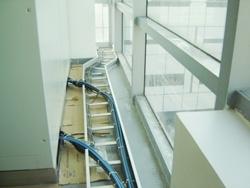 安(an)裝(zhuang)橋架
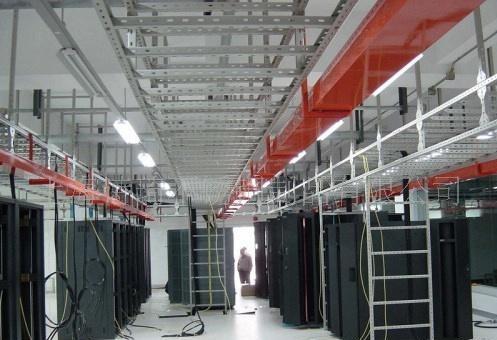 安(an)裝(zhuang)橋架
 安(an)裝(zhuang)橋架
 防火橋架
防火橋架