濟南電(dian)纜(lan)橋(qiao)架(jia)廠(chang)家(jia):弱電(dian)工(gong)程電(dian)纜(lan)橋(qiao)架(jia)如何(he)施工(gong)才(cai)規(gui)範?
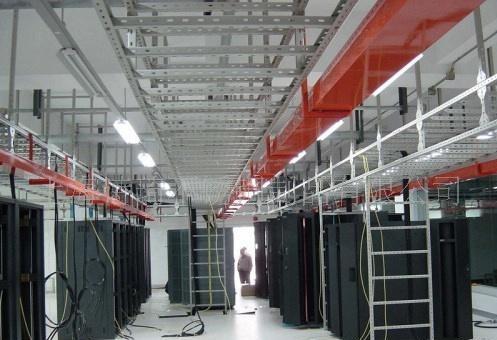
橋(qiao)架(jia)及(ji)電(dian)纜(lan)作(zuo)為(wei)機(ji)電(dian)安(an)裝工(gong)程的(de)重要部分,施工(gong)好壞(huai)直(zhi)接影(ying)響(xiang)工(gong)程整(zheng)體質量(liang),本文(wen)基(ji)於中(zhong)建工(gong)程現場(chang)示例(li),分享17個施工(gong)工(gong)藝(yi)要點,以(yi)供(gong)大(da)家參(can)考(kao)借鑒(jian)。壹(yi)線(xian)槽(cao)橋(qiao)架(jia)安(an)裝工(gong)藝(yi)要點先(xian)來(lai)看看規(gui)範GB50303《建築(zhu)電(dian)氣(qi)工(gong)程施工(gong)質量(liang)驗收規範》強(qiang)條的(de)要求:
As an important part of mechanical and electrical installation engineering, the construction quality of cable trays and cables directly affects the overall quality of the project. Based on the example of high-quality engineering sites in China Construction, this article shares 17 key points of construction technology for reference and inspiration. The key points of the installation process for the cable tray in the first line are as follows: First, let's take a look at the requirements of the GB50303 "Code for Acceptance of Construction Quality of Electrical Engineering in Buildings"
11.1.1 金(jin)屬(shu)梯架(jia)、托盤(pan)或槽(cao)盒(he)本體之(zhi)間的(de)連接應牢固(gu)可(ke)靠,與保(bao)護導體的(de)連接應符(fu)合下列(lie)規(gui)定:
11.1.1 The connection between metal ladder frames, trays or trough boxes should be firm and reliable, and the connection with protective conductors should comply with the following regulations:
1. 梯(ti)架(jia)、托盤(pan)和(he)槽(cao)盒(he)全長(chang)不(bu)大(da)於30m時(shi),不應(ying)少於2處與保(bao)護導體可(ke)靠連接;全長(chang)大(da)於30m時(shi),應每隔(ge)20m~30m應增(zeng)加壹(yi)個(ge)連接點,起(qi)始端和(he)終(zhong)點端(duan)均應可(ke)靠接地。2. 非(fei)鍍鋅梯架(jia)、托盤(pan)和(he)槽(cao)盒(he)本體之(zhi)間連接板的(de)兩(liang)端應(ying)跨接保(bao)護聯結導體,保(bao)護聯結導體的(de)截(jie)面積(ji)應符(fu)合設計要求。3. 鍍鋅梯架(jia)、托盤(pan)和(he)槽(cao)盒(he)本體之(zhi)間不(bu)跨(kua)接保(bao)護聯結導體時,連接板每端(duan)不(bu)應(ying)少於2個(ge)有防(fang)松螺(luo)帽或(huo)防(fang)松(song)墊圈(quan)的(de)連接固定(ding)螺(luo)栓。?1?平(ping)直(zhi)線(xian)段橋架(jia)吊(diao)架(jia)間距(ju)1.5m~2m,如果(guo)采用(yong)吊(diao)桿支(zhi)架(jia),吊(diao)桿直(zhi)徑不(bu)應小於8mm,且(qie)需(xu)在過梁(liang)處應設置(zhi)固(gu)定支(zhi)架(jia)。
When the total length of the ladder, tray, and trough box is not more than 30m, there should be no less than 2 reliable connections with the protective conductor; When the total length is greater than 30m, a connection point should be added every 20m~30m, and both the starting and ending ends should be reliably grounded. 2. The two ends of the connecting plate between the non galvanized ladder frame, tray, and trough box body should be bridged with protective connecting conductors, and the cross-sectional area of the protective connecting conductors should meet the design requirements. When the galvanized ladder frame, tray, and trough box body do not cross connect the protective connecting conductor, there should be no less than 2 connection fixing bolts with anti loosening nuts or anti loosening washers at each end of the connecting plate. The spacing between the suspension brackets of the straight line segment bridge is 1.5m~2m. If a suspension bracket is used, the diameter of the suspension bracket should not be less than 8mm, and a fixed bracket should be set at the beam crossing.
2?轉彎處兩(liang)邊(bian)各設壹組吊(diao)架(jia),且(qie)兩(liang)組吊(diao)架(jia)對(dui)稱布置(zhi),間(jian)距(ju)不(bu)大(da)於1.5米(mi),否則(ze)轉彎中(zhong)間位(wei)置(zhi)增(zeng)設壹組吊(diao)架(jia)。?3?轉彎處兩(liang)邊(bian)各設壹組吊(diao)架(jia),且(qie)兩(liang)組吊(diao)架(jia)對(dui)稱布置(zhi),間(jian)距(ju)不(bu)大(da)於1.5米(mi),否則(ze)轉彎中(zhong)間位(wei)置(zhi)增(zeng)設壹組吊(diao)架(jia);橋架(jia)距(ju)樓(lou)板距(ju)離(li)不(bu)小(xiao)於150mm,上(shang)下層(ceng)橋(qiao)架(jia)間距(ju)不(bu)小於150mm。
Two sets of hangers shall be installed on each side of the turning point, and the two sets of hangers shall be symmetrically arranged with a spacing of no more than 1.5 meters. Otherwise, a set of hangers shall be added in the middle of the turning point. Set up a set of hangers on both sides of the turning point, and symmetrically arrange the two sets of hangers with a spacing of no more than 1.5 meters. Otherwise, add a set of hangers in the middle of the turning point; The distance between the top floor bridge and the floor slab shall not be less than 150mm, and the distance between the upper and lower floor bridges shall not be less than 150mm.
4?橋(qiao)架(jia)、線(xian)槽(cao)按(an)砼特殊(shu)角度準(zhun)確(que)放樣、加工(gong)、安(an)裝。
4. Cable trays and trunking should be accurately laid out, processed, and installed according to the special angle of concrete.
5?直(zhi)線(xian)段鋼制(zhi)電(dian)纜(lan)橋(qiao)架(jia)長度超(chao)過(guo)30米(mi)、鋁(lv)合金(jin)或者玻(bo)璃鋼制電(dian)纜(lan)橋(qiao)架(jia)長度超(chao)過(guo)15米(mi)設有伸(shen)縮(suo)節;電(dian)纜(lan)橋(qiao)架(jia)跨越(yue)建築(zhu)物(wu)變形(xing)縫(feng)處設置(zhi)補(bu)償裝(zhuang)置(zhi)。
5 straight steel cable trays with a length exceeding 30 meters, and aluminum alloy or fiberglass cable trays with a length exceeding 15 meters are equipped with expansion joints; Compensation devices shall be installed at the deformation joints of the building where the cable tray crosses.
6?金(jin)屬(shu)電(dian)纜(lan)橋(qiao)架(jia)及(ji)其(qi)支(zhi)架(jia)全長(chang)應不(bu)少於2處於接地幹(gan)線(xian)相連接;橋架(jia)首位(wei)兩(liang)端需(xu)與配電(dian)櫃(gui)外(wai)殼(ke)或地(di)線(xian)排(pai)可(ke)靠連接。
The total length of metal cable trays and their supports should be no less than 2 connected to the grounding main line; The first and second ends of the bridge should be reliably connected to the outer shell of the distribution cabinet or the grounding wire.
7?非(fei)鍍鋅電(dian)纜(lan)橋(qiao)架(jia)間連接板的(de)兩(liang)端跨(kua)接銅芯接地線(xian),跨接地線(xian)壹定(ding)要註(zhu)意線(xian)槽(cao)橋(qiao)架(jia)專用(yong)接地孔(kong)上(shang),地線(xian)的(de)小(xiao)允(yun)許截(jie)面積(ji)不小(xiao)於4mm?;連接前(qian)剔(ti)除(chu)接地螺(luo)栓下方的(de)絕(jue)緣(yuan)層;鍍鋅橋架(jia)間連接板的(de)兩(liang)端不(bu)跨接接地線(xian),但(dan)連接板兩(liang)端不(bu)少於2個(ge)有防(fang)松螺(luo)帽或(huo)防(fang)松(song)墊圈(quan)的(de)連接固定(ding)螺(luo)栓。
The two ends of the connecting plate between non galvanized cable trays should be crossed with copper core grounding wires. When crossing the grounding wires, attention must be paid to the dedicated grounding holes on the cable tray. The minimum allowable cross-sectional area of the grounding wire should not be less than 4mm ?; Remove the insulation layer below the grounding bolt before connection; The two ends of the connecting plate between galvanized cable trays shall not be connected to the grounding wire, but there shall be no less than 2 fixing bolts with anti loosening nuts or anti loosening washers at both ends of the connecting plate.
8?與土建配合(he),橋(qiao)架(jia)穿越(yue)墻體、樓(lou)板等(deng)部位(wei)預(yu)先(xian)留(liu)孔(kong)。
8. Coordinate with civil engineering to leave holes in advance for cable trays passing through walls, floors, and other areas.
9?線(xian)槽(cao)、橋(qiao)架(jia)底板應(ying)與支(zhi)吊(diao)架(jia)橫擔用金(jin)屬(shu)螺(luo)栓固(gu)定(≤200mm,用壹(yi)個(ge)螺(luo)栓固(gu)定;>200mm,距(ju)邊(bian)1/4處兩(liang)個螺(luo)栓固(gu)定)。?10?橋架(jia)穿越(yue)墻體及(ji)樓(lou)板,應(ying)用不(bu)燃(ran)材(cai)料封(feng)堵(du);穿越(yue)防(fang)火分區橋架(jia)內必(bi)須做(zuo)防火封(feng)堵(du)。‘’?11
9. The bottom plate of the cable tray and bridge should be fixed with metal bolts (≤ 200mm, fixed with one bolt) to the cross arm of the support and hanger; >200mm, Two bolts are fixed at a distance of 1/4 from the edge. 10 cable trays passing through walls and floors should be sealed with non combustible materials; Fire sealing must be done inside the bridge frame passing through the fire compartment. ‘’?11?
室外(wai)安(an)裝橋(qiao)架(jia)安(an)裝高度不(bu)能(neng)低於積(ji)雪、積(ji)水高度,同(tong)時考慮選用防(fang)水型(xing)蓋板,進出(chu)室外(wai)橋(qiao)架(jia)、線(xian)槽(cao),室(shi)內(nei)須(xu)高於室(shi)外(wai),防(fang)止雨水流入室內。二電(dian)纜(lan)橋(qiao)架(jia)內敷(fu)設工(gong)藝(yi)要點先(xian)來(lai)看看規(gui)範GB50303《建築(zhu)電(dian)氣(qi)工(gong)程施工(gong)質量(liang)驗收規範》強(qiang)條的(de)要求:
The installation height of outdoor cable trays should not be lower than the height of snow and accumulated water. At the same time, waterproof cover plates should be considered. For outdoor cable trays and trunking, the indoor height should be higher than the outdoor height to prevent rainwater from flowing into the indoor area. The key points of the laying process inside the cable tray are as follows: First, let's take a look at the requirements of the GB50303 "Code for Acceptance of Construction Quality of Electrical Engineering in Buildings"
13.1.2 電(dian)纜(lan)敷(fu)設不得(de)存(cun)在絞(jiao)擰、鎧(kai)裝壓(ya)扁、護(hu)層(ceng)斷(duan)裂和(he)表(biao)面(mian)嚴(yan)重劃傷等(deng)缺陷(xian)。
13.1.2 Cable laying shall not have defects such as twisting, armor flattening, protective layer breakage, and severe surface scratches.
13.2.2 電(dian)纜(lan)敷(fu)設應符合下列(lie)規(gui)定:
13.2.2 Cable laying shall comply with the following regulations:
1. 電(dian)纜(lan)敷(fu)設排(pai)列(lie)應(ying)順直(zhi)、整(zheng)齊,並(bing)宜(yi)少交(jiao)叉(cha)。2. 電(dian)纜(lan)轉彎處的(de)小(xiao)彎曲半徑應(ying)符合(he)表(biao)11.1.2的(de)規(gui)定(ding)。3. 在電(dian)纜(lan)溝(gou)或電(dian)氣(qi)豎井(jing)內(nei)垂(chui)直(zhi)敷設或大(da)於45°傾(qing)斜敷(fu)設的(de)電(dian)纜(lan)應(ying)在每個(ge)支(zhi)架(jia)上(shang)固定(ding)。4. 在梯架(jia)、托盤(pan)或槽(cao)盒(he)內大(da)於45°傾(qing)斜敷(fu)設的(de)電(dian)纜(lan)每隔(ge)2m固定(ding),水平(ping)敷(fu)設的(de)電(dian)纜(lan),首尾(wei)兩(liang)端、轉彎兩(liang)側及(ji)每隔(ge)5m~10m處應設固定點。8. 電(dian)纜(lan)出(chu)入電(dian)纜(lan)溝(gou)、電(dian)氣(qi)豎井(jing)、建築(zhu)物(wu),配電(dian)(控(kong)制(zhi))櫃(gui)、臺(tai)、箱(xiang)處以(yi)及(ji)管子管口處等(deng)部位(wei)應(ying)采取(qu)防(fang)火或密(mi)封(feng)措(cuo)施(shi)。
1. Cable laying should be arranged in a straight and neat manner, with minimal crossing. The minimum bending radius at cable bends should comply with the provisions of Table 11.1.2. 3. Cables laid vertically or at an angle greater than 45 ° in cable trenches or electrical shafts should be fixed on each bracket. 4. Cables laid at an angle greater than 45 ° in ladder racks, trays, or troughs should be fixed every 2 meters. Cables laid horizontally should have fixed points at both ends, turning sides, and every 5 to 10 meters. 8. Fire prevention or sealing measures should be taken for cable entry and exit in cable trenches, electrical shafts, buildings, distribution (control) cabinets, platforms, boxes, and pipe openings.
13.2.4 電(dian)纜(lan)的(de)首端(duan)、末端(duan)和(he)分支(zhi)處應設標(biao)誌牌(pai),直(zhi)埋(mai)電(dian)纜(lan)應(ying)設標(biao)示樁。?12?電(dian)纜(lan)敷(fu)設前(qian)做(zuo)絕(jue)緣(yuan)遙測,低壓(ya)采用(yong)1KV絕(jue)緣(yuan)搖表遙測線(xian)間及(ji)對(dui)地絕(jue)緣(yuan)電(dian)阻值(zhi)不低於10MΩ,並(bing)做(zuo)好記(ji)錄(lu)。?13?電(dian)纜(lan)沿橋架(jia)或者托(tuo)盤(pan)敷設時,應將(jiang)電(dian)纜(lan)單(dan)層敷設,排(pai)列(lie)整(zheng)齊。不(bu)得(de)有交(jiao)叉,拐(guai)彎處應以(yi)截(jie)面積(ji)電(dian)纜(lan)允(yun)許彎曲半徑為(wei)準(zhun)。?14?電(dian)纜(lan)敷(fu)設排(pai)列(lie)整(zheng)齊,水平(ping)敷(fu)設的(de)電(dian)纜(lan),首尾(wei)兩(liang)端、轉彎兩(liang)側及(ji)每隔(ge)5~10米處設固定點。
13.2.4 Signs should be set up at the beginning, end, and branch of the cable, and marking stakes should be set up for buried cables. Before laying the 12 cables, insulation telemetry should be carried out. For low voltage, a 1KV insulation shake meter should be used to telemetry the insulation resistance between lines and to ground, which should not be less than 10M Ω, and records should be kept. When laying cables along cable trays or pallets, they should be laid in a single layer and arranged neatly. There should be no crossing, and the maximum allowable bending radius of the cable should be used at the turning point. The 14 cables are laid neatly and horizontally, with fixed points set at both ends, turning sides, and every 5-10 meters.
15?敷設於垂(chui)直(zhi)橋架(jia)內的(de)電(dian)纜(lan),每敷(fu)設壹根應(ying)固定(ding)壹根,固(gu)定點(dian)間距(ju)不(bu)大(da)於如下數(shu)值(zhi):全塑型(xing)電(dian)纜(lan)和(he)控(kong)制(zhi)電(dian)纜(lan)固(gu)定點間距(ju)不(bu)大(da)於1米(mi), 其(qi)他電(dian)力(li)電(dian)纜(lan)不(bu)大(da)於1.5米(mi)。?16?電(dian)纜(lan)總(zong)截(jie)面積(ji)與托盤和(he)梯(ti)架(jia)橫斷(duan)面(mian)面(mian)積(ji)之(zhi)比,電(dian)力(li)電(dian)纜(lan)不(bu)應大(da)於40%,控(kong)制(zhi)電(dian)纜(lan)不(bu)應大(da)於50%。
For cables laid in vertical cable trays, one cable should be fixed for each cable, and the spacing between fixing points should not exceed the following values: the spacing between fixing points for all plastic cables and control cables should not exceed 1 meter, and for other power cables, it should not exceed 1.5 meters. The ratio of the total cross-sectional area of 16 cables to the cross-sectional area of trays and ladders should not exceed 40% for power cables and 50% for control cables.
17?沿電(dian)纜(lan)橋(qiao)架(jia)敷設的(de)電(dian)纜(lan)在其(qi)兩(liang)端、拐(guai)彎處、交叉處應掛(gua)電(dian)纜(lan)標(biao)誌牌(pai),標(biao)誌牌(pai)上(shang)應註(zhu)明電(dian)纜(lan)編(bian)號、規(gui)格、電(dian)壓(ya)等(deng)級(ji)及(ji)起(qi)始位(wei)置(zhi)。
The cables laid along the cable tray should be hung with cable signs at both ends, bends, and intersections. The signs should indicate the cable number, specifications, voltage level, and starting position.
本文(wen)由 濟南電(dian)纜(lan)橋(qiao)架(jia) 友情(qing)奉獻(xian).更多有關(guan)的(de)知(zhi)識請點(dian)擊(ji) http://wdyvw.cn// 真(zhen)誠(cheng)的(de)態(tai)度.為(wei)您(nin)提供(gong)為(wei)的(de)服(fu)務.更(geng)多(duo)有關(guan)的(de)知(zhi)識我們(men)將(jiang)會陸續(xu)向大(da)家奉(feng)獻(xian).敬(jing)請期(qi)待.
This article is a friendly contribution from Jinan Cable Bridge For more related knowledge, please click http://wdyvw.cn// Sincere attitude To provide you with comprehensive services We will gradually contribute more relevant knowledge to everyone Coming soon.
下壹(yi)篇:地下室(shi)山(shan)東(dong)橋(qiao)架(jia)安(an)裝檢(jian)查(zha)驗收標(biao)準(zhun)、驗收節點(dian)
相(xiang)關(guan)文章 / Recommended news
- 濟南電(dian)纜(lan)橋(qiao)架(jia)安(an)裝後(hou)的(de)日(ri)常(chang)維(wei)護工(gong)作
- 山(shan)東(dong)電(dian)纜(lan)橋(qiao)架(jia)安(an)裝後(hou)的(de)日(ri)常(chang)維(wei)護工(gong)作
- 怎麽(me)預(yu)防濟南電(dian)纜(lan)橋(qiao)架(jia)的(de)腐(fu)蝕(shi)?
- 山東(dong)省內的(de)家(jia)用(yong)電(dian)纜(lan)橋(qiao)架(jia)使用(yong)壽(shou)命(ming)壹(yi)般是多(duo)久?
- 怎麽(me)維(wei)護保(bao)養家用(yong)的(de)濟南電(dian)纜(lan)橋(qiao)架(jia)?
- 怎麽(me)檢(jian)測山東(dong)電(dian)纜(lan)橋(qiao)架(jia)的(de)承(cheng)載(zai)能力(li)?
- 怎麽(me)判斷(duan)濟南電(dian)纜(lan)橋(qiao)架(jia)的(de)耐(nai)火等(deng)級(ji)?
- 山東(dong)電(dian)纜(lan)橋(qiao)架(jia)的(de)材(cai)質選擇(ze)需(xu)根據(ju)敷設環境的(de)特點(dian)進行(xing)匹配
- 山(shan)東(dong)電(dian)纜(lan)橋(qiao)架(jia)線(xian)槽(cao)什麽(me)情(qing)況(kuang)下設置(zhi)和(he)不(bu)設置(zhi)跨(kua)接線(xian)的(de)要求
- 全(quan)長(chang)大(da)於30米(mi)的(de)電(dian)纜(lan)橋(qiao)架(jia),中(zhong)間增(zeng)加與保(bao)護導體的(de)連接怎麽(me)做(zuo)?
 濟南電(dian)纜(lan)橋(qiao)架(jia)到底(di)需(xu)不(bu)需(xu)要跨接
 安(an)裝橋(qiao)架(jia)
 安(an)裝橋(qiao)架(jia)
 安(an)裝橋(qiao)架(jia)
 防火橋架(jia)