山東(dong)電(dian)纜(lan)橋(qiao)架:電(dian)力(li)電(dian)纜(lan)常識性知識(shi)和電(dian)纜(lan)試(shi)驗(yan)方(fang)法介(jie)紹
結合行(xing)業(ye)規範(fan)(GB/T 12706、IEC 60502等(deng))及動態(tai)內容,電(dian)力(li)電(dian)纜(lan)相關(guan)知(zhi)識(shi)解(jie)析如(ru)下:
Based on industry standards (GB/T 12706, IEC 60502, etc.) and the latest technological developments, the analysis of knowledge related to power cables is as follows:
壹(yi)、電(dian)力(li)電(dian)纜(lan)基礎1.電(dian)纜(lan)與架空線對(dui)比電(dian)力(li)線路按結構分為架空線路和電(dian)纜(lan)線路兩種,架空線路的導(dao)線通(tong)過大(da)氣、絕(jue)緣子(zi)實現電(dian)氣絕(jue)緣隔離,大(da)地為地電(dian)極。電(dian)纜(lan)線路的導(dao)線通(tong)過絕緣(yuan)材料隔離(li)後被(bei)封閉在(zai)接(jie)地的金(jin)屬(shu)屏蔽內部。特性架空線路電(dian)纜(lan)線路絕緣介(jie)質大(da)氣+絕(jue)緣子(zi)固態(tai)絕(jue)緣(yuan)材料屏蔽方式無屏蔽,大(da)地作(zuo)地電(dian)極金(jin)屬(shu)屏蔽層接(jie)地敷設環(huan)境暴露於大(da)氣埋地/管(guan)廊(lang)/隧道(dao)電(dian)壓等級(ji)全(quan)範(fan)圍(wei)(220V~1000kV)中(zhong)高壓為主(1kV~500kV)補充(chong)說明(ming):電(dian)纜(lan)的金(jin)屬(shu)屏蔽層兼具(ju)電(dian)場均(jun)化與短路(lu)電(dian)流(liu)通(tong)道功(gong)能,是保(bao)障的核(he)心設計。
1、 Power cable foundation 1. Comparison between cables and overhead lines Power lines are divided into two types according to their structure: overhead lines and cable lines. The wires of overhead lines are electrically insulated and isolated through the atmosphere and insulators, and the earth is the ground electrode. The wires of the cable line are isolated by insulation material and enclosed inside a grounded metal shield. Characteristics: Overhead power lines, cable lines, insulation media, atmosphere+insulator, solid insulation material, shielding method, unshielded, earth electrode, metal shielding layer, grounding, laying environment exposed to atmosphere, buried/pipe gallery/tunnel voltage level, full range (220V~1000kV), mainly medium high voltage (1kV~500kV). Additional explanation: The metal shielding layer of the cable has both electric field homogenization and short-circuit current channel functions, which is the core design to ensure safety.
2.電(dian)壓等級(ji)與標識(shi)我國電(dian)壓等級(ji)劃分為:220/380V、3kV、6kV、10kV、35kV、110kV、220kV、330kV、500kV、750kV、1000kV等,並(bing)劃分為輸(shu)電(dian)電(dian)壓與配電(dian)電(dian)壓兩類(lei)。
2. Voltage levels and identification: China's voltage levels are divided into two categories: 220/380V, 3kV, 6kV, 10kV, 35kV, 110kV, 220kV, 330kV, 500kV, 750kV, 1000kV, etc., and are divided into transmission voltage and distribution voltage. ? ??
我(wo)國(guo)電(dian)纜(lan)產品(pin)的電(dian)壓等級(ji)包括(kuo):0.6/1、1/1、3.6/6、6/6、6/10、8.7/10、8.7/15、12/15、12/20、18/20、18/30、21/35、26/35、36/63、48/63、64/110、127/220、190/330、290/500kV共(gong)19種。標(biao)準電(dian)壓(U?/U):U,導體對(dui)地額(e)定(ding)電(dian)壓(如(ru)10kV系(xi)統(tong)U?=8.7kV);U,系(xi)統(tong)線電(dian)壓(如(ru)10kV)。電(dian)纜(lan)額(e)定(ding)電(dian)壓(U0/U)的選定(ding)是由(you)系統(tong)的不(bu)同(tong)接(jie)地方(fang)式決(jue)定的,接(jie)地方(fang)式影(ying)響:接(jie)地類(lei)型適用(yong)U?/U特點(dian)直接(jie)接(jie)地64/110kV及以(yi)上(shang)單(dan)相短(duan)路(lu)電(dian)流(liu)大(da)小(xiao)電(dian)阻接(jie)地12/20kV~48/63kV限(xian)制過(guo)電(dian)壓消弧(hu)線圈接(jie)地3.6/6kV~18/30kV補償電(dian)容電(dian)流(liu)不(bu)接(jie)地≤8.7/10kV短(duan)時允(yun)許帶(dai)故(gu)障運(yun)行(xing)3.導(dao)體規格(ge)電(dian)纜(lan)導體截面(mian)積(ji)有(you):1.5、2.5、4、6、10、16、25、35、50、70、95、120、150、185、240、300、400、500、630、800、1000、1200、1400、1600、1800、2000、2500mm2,共27種(zhong)。
The voltage levels of cable products in China include: 0.6/1, 1/1, 3.6/6, 6/6, 6/10, 8.7/10, 8.7/15, 12/15, 12/20, 18/20, 18/30, 21/35, 26/35, 36/63, 48/63, 64/110, 127/220, 190/330, and 290/500kV, totaling 19 types. Standard voltage (U ?/U): U, rated voltage of the conductor to ground (such as U ?=8.7kV for a 10kV system); U, System line voltage (such as 10kV). The selection of cable rated voltage (U0/U) is determined by different grounding methods of the system, and the grounding method affects: the grounding type is suitable for U ?/U characteristics, directly grounded 64/110kV and above single-phase short-circuit current size, resistance grounded 12/20kV~48/63kV, overvoltage arc suppression coil grounded 3.6/6kV~18/30kV, compensation capacitor current not grounded ≤ 8.7/10kV, short-term fault operation is allowed. 3. Conductor specifications: Cable conductor cross-sectional area includes: 1.5, 2.5, 4, 6, 10, 16, 25, 35, 50, 70, 95, 120, 150, 185, 240, 300, 400, 500, 630, 800, 1000, 1200, 1400, 1600, 1800. There are a total of 27 types, including 2000 and 2500mm2.
截面(mian)積(ji)分(fen)級(ji)常(chang)用(yong)範(fan)圍(wei)35~240mm?(占90%用(yong)量),大(da)電(dian)流(liu)應(ying)用(yong)≥1000mm?需采(cai)用(yong)分割(ge)導體結構減少(shao)集膚(fu)效(xiao)應(ying)。絞(jiao)合結構,如(ru)下:二、電(dian)纜(lan)結構深度(du)解(jie)析1.分(fen)層功(gong)能與材料電(dian)纜(lan)的基(ji)本(ben)結構,主要包括(kuo)如(ru)下:結構層功(gong)能關(guan)鍵(jian)材料技術(shu)要點(dian)導體層傳(chuan)輸(shu)電(dian)能退(tui)火銅(tong)/鋁(lv)緊(jin)壓系數(shu)≥0.9絕緣(yuan)層電(dian)氣隔(ge)離XLPE/EPR/油(you)浸紙厚度(du)∝U?等(deng)級(ji)屏蔽層電(dian)場均(jun)化半(ban)導(dao)電(dian)交聯料界面(mian)光(guang)滑(hua)度(du)≤5μm護(hu)套(tao)層機(ji)械(xie)防護(hu)PE/PVC/無鹵阻(zu)燃料阻燃等級(ji)IEC 60332?電(dian)纜(lan)導體芯數(shu)有(you):單芯(xin)、兩芯(xin)、三芯、四(si)芯(xin)、五芯(xin),計5種。單(dan)芯和(he)三(san)芯(xin)電(dian)纜(lan)基本(ben)結構,圖示(shi)如(ru)下:
The commonly used range for cross-sectional area classification is 35-240mm ? (accounting for 90% of usage), and for high current applications ≥ 1000mm ?, a segmented conductor structure should be used to reduce skin effect. Twisted structure, as follows: 2. Deep analysis of cable structure: 1. Layered function and material. The basic structure of the cable mainly includes the following: structural layer, functional key materials, technical points, conductor layer, transmission of electrical energy, annealing, copper/aluminum compression coefficient ≥ 0.9, insulation layer, electrical isolation, XLPE/EPR/oil immersed paper thickness ∝ U ? level, shielding layer, electric field homogenization, semiconductive cross-linking material, interface smoothness ≤ 5 μ m, sheath layer, mechanical protection, PE/PVC/halogen-free flame retardant grade, IEC 60332. The number of cable conductors includes: single core, two core, three core, four core, five core, totaling five types. The basic structure of single core and three core cables is shown in the diagram below:
2.絕(jue)緣材(cai)料電(dian)纜(lan)絕緣層的作(zuo)用(yong)是,將線芯與大(da)地以(yi)及不(bu)同(tong)相的線芯間(jian)在(zai)電(dian)氣上(shang)彼此(ci)隔離(li),從(cong)而保(bao)證電(dian)能輸(shu)送(song)。從(cong)1kV到500 kV的各(ge)種(zhong)電(dian)力(li)電(dian)纜(lan)中(zhong),交聯聚(ju)乙(yi)烯(xi)是當前(qian)應(ying)用(yong)廣(guang)的壹(yi)種(zhong)絕(jue)緣(yuan)材料,電(dian)纜(lan)主要絕(jue)緣(yuan)介(jie)質的型式結構:橡(xiang)膠(jiao)絕緣乙(yi)丙橡(xiang)膠(jiao)電(dian)纜(lan)使用(yong)電(dian)壓已(yi)達(da)150kV。聚(ju)氯(lv)乙(yi)烯(xi)絕緣(yuan)介(jie)損(sun)大(da),含氯(lv),運(yun)行(xing)溫(wen)度(du)低(di),壹(yi)般(ban)只(zhi)用(yong)於6kv及以(yi)下電(dian)壓等級(ji),將(jiang)被淘汰(tai)。聚(ju)乙(yi)烯(xi)絕緣(yuan)熔(rong)融(rong)溫(wen)度(du)低(di)(70℃),工作電(dian)壓達(da)500kV。交聯聚(ju)乙(yi)烯(xi)通(tong)過化學(xue)或物理方(fang)法將聚(ju)乙(yi)烯(xi)分子(zi)鏈間(jian)相互交聯。運(yun)行(xing)溫(wen)度(du)可(ke)達(da)90℃,短路(lu)時(shi)導(dao)電(dian)線芯允許的溫(wen)度(du)可(ke)達(da)250℃。極大(da)地提(ti)高了(le)電(dian)纜(lan)的載(zai)流(liu)量和短路(lu)容(rong)量。其(qi)工作電(dian)壓達(da)500kV。?電(dian)纜(lan)絕緣層的厚度(du)大(da)小(xiao),主要與電(dian)纜(lan)電(dian)壓U0的等(deng)級(ji)有(you)關,詳(xiang)見下圖(tu):3.電(dian)纜(lan)保(bao)護(hu)層電(dian)纜(lan)保(bao)護(hu)層的質(zhi)量好(hao)壞,對(dui)電(dian)纜(lan)的使用(yong)壽命(ming)有(you)很大(da)影響(xiang)。保(bao)護(hu)層按加強(qiang)層、鎧裝(zhuang)層和(he)外(wai)被(bei)層結構順序(xu),以(yi)兩(liang)個(ge)阿(e)拉伯數(shu)字(zi)表(biao)示(shi),每壹個數(shu)字(zi)表(biao)示(shi)所采(cai)用(yong)的主(zhu)要材(cai)料。內護(hu)層更(geng)是重要的保(bao)護(hu),其(qi)代(dai)號如(ru)下表(biao):
2. The function of the insulation layer of the insulation material cable is to electrically isolate the wire core from the ground and the wire cores of different phases, thereby ensuring the transmission of electrical energy. Among various power cables ranging from 1kV to 500 kV, cross-linked polyethylene is currently the most widely used insulation material. The main insulation medium structure of the cable is rubber insulated ethylene propylene rubber cable, with a maximum operating voltage of 150kV. Polyvinyl chloride insulation has high dielectric loss, chlorine content, low operating temperature, and is generally only used for voltage levels of 6kV and below, and will be phased out. Polyethylene insulation has a low melting temperature (70 ℃) and a maximum operating voltage of 500kV. Cross linked polyethylene is crosslinked between polyethylene molecular chains through chemical or physical methods. The maximum operating temperature can reach 90 ℃, and the maximum temperature allowed for the conductive core during short circuit can reach 250 ℃. Greatly improves the safety current carrying capacity and short-circuit capacity of the cable. Its maximum working voltage reaches 500kV. The thickness of the cable insulation layer is mainly related to the level of cable voltage U0, as shown in the following figure: 3. The quality of the cable protection layer has a great impact on the service life of the cable. The protective layer is represented by two Arabic numerals in the order of reinforcement layer, armor layer, and outer layer structure, with each numeral indicating the main material used. The inner protective layer is even more important for protection, and its code is shown in the following table:
4.屏蔽層電(dian)纜(lan)屏蔽層,實(shi)質(zhi)上(shang)是壹種改善電(dian)場分布的措(cuo)施(shi)。沒有(you)金(jin)屬(shu)護(hu)套(tao)的擠(ji)包絕(jue)緣(yuan)電(dian)纜(lan),除半(ban)導(dao)電(dian)屏蔽層外(wai),還(hai)要增(zeng)加用(yong)銅帶(dai)或銅(tong)絲繞包的金(jin)屬(shu)屏蔽層,這(zhe)個金(jin)屬(shu)屏蔽層的作(zuo)用(yong),在(zai)正常運(yun)行(xing)時(shi)通(tong)過電(dian)容電(dian)流(liu);當系統(tong)發生短路(lu)時,作(zuo)為短路(lu)電(dian)流(liu)的通(tong)道,同(tong)時也起(qi)到屏蔽電(dian)場的作(zuo)用(yong)。三層共(gong)擠(ji)工藝(yi):導體屏蔽+絕緣+絕緣(yuan)屏蔽同(tong)步擠(ji)出,界面(mian)缺陷(xian)。金(jin)屬(shu)屏蔽類(lei)型:銅帶(dai)繞包厚度(du)≥0.1mm銅(tong)絲(si)編(bian)織(zhi)截面≥25mm?(滿足短路熱穩(wen)定)三(san)、電(dian)纜(lan)附(fu)件技術(shu)電(dian)纜(lan)附(fu)件,主要包括(kuo)終(zhong)端頭(tou)與中(zhong)間(jian)接(jie)頭(tou)。終(zhong)端頭(tou)是將電(dian)纜(lan)與其(qi)他(ta)電(dian)氣設(she)備連接(jie)的部(bu)件;中(zhong)間(jian)接(jie)頭(tou)是將兩根(gen)電(dian)纜(lan)連接(jie)起(qi)來的部(bu)件。良好(hao)的電(dian)纜(lan)附(fu)件,線芯連接(jie)主要是聯接(jie)電(dian)阻小(xiao)而且(qie)聯(lian)接(jie)穩定(ding),能經受(shou)起(qi)故(gu)障電(dian)流(liu)的沖擊;長期(qi)運(yun)行(xing)後其(qi)接(jie)觸(chu)電(dian)阻不(bu)應大(da)於電(dian)纜(lan)線芯本(ben)體同(tong)長度(du)電(dian)阻的1.2倍(bei)。電(dian)纜(lan)附(fu)件的絕(jue)緣(yuan)性(xing)能應(ying)不(bu)低於(yu)電(dian)纜(lan)本(ben)體,所用(yong)絕緣(yuan)材料的介(jie)質損(sun)耗(hao)要低(di)。電(dian)纜(lan)附(fu)件的種(zhong)類(lei)繁(fan)多,具(ju)有(you)不(bu)同(tong)類(lei)型的特點(dian)及局(ju)限(xian)性,壹(yi)般(ban)不(bu)能相互取(qu)代(dai)。
4. The shielding layer of a cable is essentially a measure to improve the distribution of electric fields. For extruded insulated cables without a metal sheath, in addition to the non-conductive shielding layer, a metal shielding layer wrapped with copper tape or wire should be added. The function of this metal shielding layer is to pass capacitive current during normal operation; When a short circuit occurs in the system, it serves as a channel for short-circuit current and also shields the electric field. Three layer co extrusion process: simultaneous extrusion of conductor shielding, insulation, and insulation shielding to eliminate interface defects. Metal shielding type: Copper tape wrapping thickness ≥ 0.1mm, copper wire weaving cross-section ≥ 25mm ? (meeting short-circuit thermal stability). 3. Cable accessory technology: Cable accessories, mainly including terminal heads and intermediate joints. Terminal head is a component that connects cables with other electrical equipment; The intermediate joint is a component that connects two cables together. A good cable accessory, the core connection is mainly characterized by low connection resistance and stable connection, which can withstand the impact of fault current; After long-term operation, its contact resistance should not exceed 1.2 times the resistance of the same length of the cable core body. The insulation performance of cable accessories should not be lower than that of the cable body, and the dielectric loss of the insulation material used should be low. There are various types of cable accessories with different characteristics and limitations, and they generally cannot be replaced by each other.
2.高壓終(zhong)端解(jie)析?瓷(ci)套式(shi)戶(hu)外電(dian)纜(lan)終(zhong)端主要由(you)接(jie)線柱(zhu)、應力(li)錐、應(ying)力(li)錐罩、瓷(ci)套和(he)尾管(guan)等零件組成(cheng),應力(li)錐采(cai)用(yong)橡(xiang)膠(jiao)材料橡(xiang)膠(jiao)註(zhu)橡(xiang)成(cheng)型,瓷(ci)套采(cai)用(yong)高強(qiang)度(du)、大(da)小(xiao)傘裙(qun)結構,外形呈(cheng)錐形,具(ju)有(you)很好(hao)的防汙(wu)閃(shan)特性。內部采(cai)用(yong)彈簧錐(zhui)托定位結構,使應力(li)錐和(he)矽(gui)油(you)隔離(li)開,克(ke)服(fu)了應力(li)錐由(you)於材(cai)料老化(hua)帶(dai)來的彈性松(song)弛、應力(li)錐與電(dian)纜(lan)外半(ban)導(dao)電(dian)層接(jie)觸(chu)不(bu)良等(deng)弊(bi)病(bing),提(ti)高了(le)應力(li)錐壽命(ming)。?復(fu)合管(guan)套式戶(hu)外電(dian)纜(lan)終(zhong)端外絕緣由(you)環氧(yang)玻(bo)璃(li)纖維管及矽橡(xiang)膠(jiao)雨裙(qun)組成(cheng)的復(fu)合套(tao)管,內部結構與瓷(ci)套式(shi)終(zhong)端相近,具(ju)有(you)瓷(ci)套式(shi)終(zhong)端的全(quan)部(bu)優點(dian),同(tong)時具(ju)有(you)優良的防爆(bao)性能,重(zhong)量輕,便(bian)於(yu)裝(zhuang)卸運(yun)輸(shu),極(ji)利於安裝(zhuang)操作。
2. Analysis of High Voltage Terminals ? Ceramic sleeve outdoor cable terminals are mainly composed of terminal posts, stress cones, stress cone covers, ceramic sleeves, and tailpipes. The stress cones are made of rubber material and molded by rubber injection molding, while the ceramic sleeves are made of high-strength, large-sized umbrella skirts with a conical shape and excellent anti pollution flashover characteristics. The internal use of a spring cone support positioning structure separates the stress cone from the silicone oil, overcoming the drawbacks of elastic relaxation caused by material aging and poor contact between the stress cone and the outer semiconductive layer of the cable, and improving the service life of the stress cone. The external insulation of the composite sleeve outdoor cable terminal is composed of epoxy glass fiber tube and silicone rubber rain skirt composite sleeve. The internal structure is similar to that of the porcelain sleeve terminal, and it has all the advantages of the porcelain sleeve terminal. At the same time, it has excellent explosion-proof performance, light weight, easy loading and unloading transportation, and is extremely conducive to installation and operation.
?GIS電(dian)纜(lan)終(zhong)端分插拔式(shi)與裝(zhuang)配式,兩(liang)者在(zai)頂部(bu)密封處理與尾管(guan)結構有(you)所不(bu)同(tong),其(qi)他(ta)主(zhu)要結構壹致(zhi);由(you)於GIS是在(zai)全封(feng)閉的環(huan)境下運(yun)行(xing),可(ke)以(yi)免受大(da)氣條(tiao)件與汙(wu)穢(hui)的影(ying)響(xiang),加上(shang)SF6氣(qi)體的良(liang)好(hao)絕緣(yuan)特性,所以(yi)GIS的外(wai)絕(jue)緣(yuan)采(cai)用(yong)環氧(yang)樹脂套(tao)管(guan),內絕緣采(cai)用(yong)應力(li)錐加彈簧錐(zhui)托頂緊(jin)結構,且為全幹(gan)式(shi),無需加任(ren)何絕(jue)緣(yuan)澆註(zhu)劑,杜絕了(le)運(yun)行(xing)中(zhong)漏(lou)油(you)現象(xiang)。?整體預制(zhi)式電(dian)纜(lan)終(zhong)端(柔性幹式(shi)戶(hu)外終(zhong)端)在(zai)工廠(chang)整(zheng)體預制(zhi)成(cheng)型,內部復(fu)合了(le)半(ban)導(dao)電(dian)矽橡(xiang)膠(jiao)應力(li)錐,與瓷(ci)套式(shi)、復(fu)合套(tao)管式相比,結構大(da)大(da)簡化,安裝(zhuang)時只需(xu)按要求(qiu)處理好(hao)電(dian)纜(lan)本(ben)體後,將(jiang)終(zhong)端主體套入電(dian)纜(lan)端頭(tou)位置即可(ke),安裝(zhuang)極為方便(bian),可(ke)傾(qing)斜(xie)安裝(zhuang)在(zai)架空線塔(ta)上,且(qie)具(ju)有(you)無油(you)、防爆(bao)、重量輕等特點(dian)。?高壓電(dian)纜(lan)絕緣接(jie)頭(tou)與直通(tong)接(jie)頭(tou)插(cha)入式裝(zhuang)配型絕緣接(jie)頭(tou),接(jie)頭(tou)主(zhu)體主絕(jue)緣為高性(xing)能絕(jue)緣(yuan)樹(shu)脂,采(cai)用(yong)真空澆註(zhu)成(cheng)型工藝(yi)與金(jin)屬(shu)保(bao)護(hu)殼(ke)成(cheng)型為壹個(ge)整(zheng)體,連接(jie)金(jin)具(ju)為插拔(ba)式(shi)免模(mo)壓結構,安裝(zhuang)極為方便(bian)。?高壓電(dian)纜(lan)分支接(jie)頭(tou)整(zheng)體插拔(ba)式高壓分支(zhi)接(jie)頭(tou),分(fen)支主體是由(you)熱固(gu)性樹(shu)脂或(huo)絕(jue)緣橡(xiang)膠(jiao)真空註(zhu)射(she)而成(cheng)的壹(yi)整(zheng)體實心模(mo)件,無需添(tian)加絕(jue)緣(yuan)澆(jiao)註(zhu)劑或絕緣(yuan)氣(qi)體,主體外殼(ke)為金(jin)屬(shu)構(gou)件,防水(shui),防潮,耐機(ji)械(xie)應力(li),安裝(zhuang)為全插(cha)拔(ba)式,直接(jie)將各(ge)相電(dian)纜(lan)插入分支主(zhu)體即可(ke),可(ke)埋於地(di)下,也(ye)可安裝(zhuang)在(zai)電(dian)纜(lan)溝或電(dian)纜(lan)井內。
GIS cable terminals are divided into plug-in and assembled types, with differences in top sealing treatment and tailpipe structure, while other main structures are the same; Due to the fact that GIS operates in a fully enclosed environment, it can be protected from atmospheric conditions and pollution. In addition, SF6 gas has good insulation properties. Therefore, the external insulation of GIS adopts epoxy resin sleeves, and the internal insulation adopts a stress cone and spring cone support structure, which is fully dry and does not require any insulation casting agent, eliminating oil leakage during operation. ? The overall prefabricated cable terminal (flexible dry-type outdoor terminal) is prefabricated and formed in the factory as a whole, with a semi conductive silicone rubber stress cone composite inside. Compared with the porcelain sleeve type and composite sleeve type, the structure is greatly simplified. When installing, only the cable body needs to be processed according to the requirements, and the terminal body can be inserted into the cable end position. The installation is extremely convenient, and it can be installed at an angle on the overhead line tower, and has the characteristics of oil-free, explosion-proof, and lightweight. High voltage cable insulation joints and straight through joints are plug-in assembly type insulation joints. The main insulation of the joint body is high-performance insulation resin, which is formed by vacuum casting technology and metal protective shell as a whole. The connecting fittings are plug-in and non molded structures, making installation extremely convenient. High voltage cable branch joint integral plug-in type high voltage branch joint, the branch body is a solid module made of thermosetting resin or insulating rubber vacuum injection, without the need to add insulation casting agent or insulation gas. The main body shell is a metal component, waterproof, moisture-proof, and resistant to mechanical stress. It is installed as a fully plug-in type, and the cables of each phase can be directly inserted into the branch body. It can be buried underground or installed in cable trenches or cable wells.
四(si)、電(dian)纜(lan)試(shi)驗(yan)技(ji)術(shu)1.試(shi)驗(yan)分(fen)類(lei)標(biao)準(zhun)試(shi)驗(yan)類(lei)型執(zhi)行(xing)主(zhu)體依(yi)據(ju)標(biao)準核(he)心項目例(li)行(xing)試(shi)驗(yan)制(zhi)造廠(chang)GB/T 3048局(ju)部(bu)放(fang)電(dian)、耐壓交接(jie)試(shi)驗(yan)安裝(zhuang)單位DL/T 596交流(liu)耐壓、護(hu)層測(ce)試(shi)狀態(tai)檢(jian)修(xiu)試(shi)驗(yan)運(yun)維單(dan)位Q/GDW 11316紅(hong)外測(ce)溫(wen)、介(jie)質損(sun)耗(hao)2.關鍵(jian)試(shi)驗(yan)方(fang)法局(ju)部(bu)放(fang)電(dian)檢測(ce)脈(mai)沖電(dian)流(liu)法,靈敏度(du)0.1pC。高頻(pin)CT法,抗幹(gan)擾能力(li)強(qiang)。護(hu)層故(gu)障定位跨步(bu)電(dian)壓法,定位精度(du)±0.5m。電(dian)流(liu)脈(mai)沖法,適用(yong)長距離電(dian)纜(lan)。警(jing)示(shi):XLPE電(dian)纜(lan)禁用(yong)直流(liu)耐壓,殘余(yu)電(dian)荷(he)可導(dao)致運(yun)行(xing)擊穿(chuan)(CIGRE 21-03報(bao)告(gao)證(zheng)實)。
4、 Cable testing technology 1. Test classification standard Test type Execution subject according to standard Core project Routine test Manufacturing plant GB/T 3048 Partial discharge, withstand voltage handover test Installation unit DL/T 596 AC withstand voltage, protective layer test status Maintenance test Operation and maintenance unit Q/GDW 11316 Infrared temperature measurement, dielectric loss 2. Key test method Partial discharge detection Pulse current method, sensitivity 0.1pC. High frequency CT method, strong anti-interference ability. Step voltage method for fault location of protective layer, with a positioning accuracy of ± 0.5m. Current pulse method, suitable for long-distance cables. Warning: XLPE cables are prohibited from DC withstand voltage, as residual charges can cause operational breakdown (confirmed by CIGRE 21-03 report).
3.電(dian)纜(lan)試(shi)驗(yan)方(fang)法介(jie)紹
3. Introduction to Cable Testing Methods
(1)絕緣(yuan)電(dian)阻試(shi)驗(yan)在(zai)進(jin)行(xing)電(dian)纜(lan)的絕(jue)緣(yuan)電(dian)阻測(ce)量時需要對(dui)電(dian)纜(lan)的外(wai)皮(pi)以(yi)及芯線之間(jian)或(huo)者(zhe)外(wai)皮(pi)之間(jian)或(huo)芯(xin)線之間(jian)的絕(jue)緣(yuan)電(dian)阻進(jin)行(xing)測(ce)量。測量絕緣電(dian)阻的基(ji)本(ben)原理和(he)普通(tong)電(dian)阻的測(ce)量相似(si),也是在(zai)試(shi)品(pin)的兩(liang)端加上(shang)壹(yi)個(ge)較為穩定(ding)的直流(liu)電(dian)壓,然後通(tong)過測量儀(yi)器將試(shi)品(pin)過(guo)的電(dian)流(liu)大(da)小(xiao)和時(shi)間(jian)的關(guan)系(xi)表(biao)示(shi)出(chu)來(lai),從(cong)而經過(guo)換(huan)算(suan)可以(yi)得(de)到(dao)電(dian)纜(lan)試(shi)樣的絕(jue)緣(yuan)電(dian)阻隨(sui)時間(jian)變化的曲(qu)線,在(zai)曲線上可以(yi)得(de)出(chu)某(mou)個特定時(shi)間(jian)的絕(jue)緣(yuan)電(dian)阻值(zhi)。對(dui)於容量比較大(da)的電(dian)纜(lan)來說,通(tong)常情況(kuang)下吸(xi)收比的概念更能說(shuo)明(ming)問題,因此(ci)用(yong)它來(lai)代(dai)替絕(jue)緣電(dian)阻測(ce)量的結果(guo)。在(zai)工程(cheng)實際測量之中(zhong),通(tong)常用(yong)兆歐(ou)表(biao)作為測量設備。?主絕(jue)緣(yuan)絕緣電(dian)阻測(ce)量:?主絕緣(yuan)絕(jue)緣(yuan)電(dian)阻值(zhi)參考標準(zhun):?外護(hu)套(tao)絕(jue)緣(yuan)電(dian)阻測(ce)量:試(shi)驗(yan)目(mu)的是檢測電(dian)纜(lan)在(zai)救設後或(huo)運(yun)行(xing)中(zhong)外(wai)護(hu)套(tao)是否損(sun)傷(shang)或受潮。外護(hu)套(tao)破損(sun)的原(yuan)因(yin)有(you):敷設過(guo)程(cheng)中(zhong)受(shou)拉(la)力(li)過大(da)或彎(wan)曲過度(du);敷設或(huo)運(yun)行(xing)中(zhong)由(you)於施(shi)工和交通(tong)運(yun)輸(shu)等(deng)直接(jie)外力(li)作用(yong);終(zhong)端/中(zhong)間(jian)接(jie)頭(tou)受(shou)內部應力(li)、自然拉(la)力(li)、電(dian)動力(li)作用(yong);白蟻吞噬(shi)、化學(xue)物質(zhi)腐(fu)蝕(shi)等(deng)。測(ce)量方法:三芯電(dian)纜(lan)三相共(gong)用(yong)外護(hu)套(tao),只(zhi)進(jin)行(xing)壹(yi)次(ci)測(ce)量;單芯電(dian)纜(lan)分別在(zai)每壹相測(ce)量,非被試(shi)相及金(jin)屬(shu)線芯(導體)接(jie)地。采(cai)用(yong)500V兆歐(ou)表(biao),大(da)容量數(shu)字(zi)兆(zhao)歐(ou)表(biao)(如(ru):短(duan)路(lu)電(dian)流(liu)>3mA)GB50150-2006、Q/CSG10007-2004要求(qiu)外(wai)護(hu)套(tao)絕(jue)緣(yuan)電(dian)阻值(zhi)不(bu)低於(yu)0.5M/km。註(zhu)意(yi)問題(ti):兆歐(ou)表(biao)“L”端引線和“E”端引線應具(ju)有(you)可靠的絕(jue)緣(yuan)。測(ce)量前(qian)後均(jun)應對(dui)電(dian)纜(lan)金(jin)屬(shu)護(hu)層充(chong)分放(fang)電(dian),時間(jian)約2-3分(fen)鐘(zhong)。若(ruo)用(yong)手搖(yao)式兆(zhao)歐(ou)表(biao),未斷(duan)開高壓引線前(qian),不(bu)得(de)停(ting)止(zhi)搖(yao)動手柄。電(dian)纜(lan)不(bu)接(jie)試(shi)驗(yan)設(she)備的另(ling)壹端應派人看(kan)守(shou),不(bu)準人(ren)靠近與接(jie)觸(chu)。
(1) When conducting insulation resistance tests on cables, it is necessary to measure the insulation resistance between the outer sheath and core wires, or between the outer sheath and core wires. The basic principle of measuring insulation resistance is similar to that of measuring ordinary resistance. It is to apply a relatively stable DC voltage at both ends of the test sample, and then use a measuring instrument to represent the relationship between the current flowing on the test sample and time. After conversion, the curve of the insulation resistance of the cable sample over time can be obtained, and the insulation resistance value at a specific time can be obtained on the curve. For cables with relatively large capacity, the concept of absorption ratio is usually more indicative, so it is used to replace the results of insulation resistance measurement. In practical engineering measurement, a megohmmeter is usually used as a measuring device. ? Measurement of main insulation resistance: ? Reference standard for main insulation resistance value: ? Measurement of outer sheath insulation resistance: The purpose of the test is to detect whether the outer sheath of the cable is damaged or damp after rescue or operation. The reasons for damage to the outer sheath include: excessive tension or bending during installation; Due to direct external forces such as construction and transportation during installation or operation; The terminal/intermediate joint is subjected to internal stress, natural tension, and electric force; Termite ingestion, chemical corrosion, etc. Measurement method: Three core cable with three-phase shared outer sheath, only one measurement is conducted; Single core cables are measured separately at each phase, with the non tested phase and metal core (conductor) grounded. Using a 500V megohmmeter, it is recommended to use a high-capacity digital megohmmeter (such as short-circuit current>3mA). GB50150-2006 and Q/CSG10007-2004 require the outer sheath insulation resistance value to be no less than 0.5m/km. Attention: The "L" terminal lead and "E" terminal lead of the megohmmeter should have reliable insulation. Before and after measurement, the metal protective layer of the cable should be fully discharged for about 2-3 minutes. If using a hand cranked megohmmeter, do not stop shaking the handle until the high voltage lead is disconnected. The other end of the cable that is not connected to the testing equipment should be guarded by someone, and no one is allowed to approach or come into contact with it.
(2)泄(xie)漏(lou)電(dian)流(liu)試(shi)驗(yan)泄(xie)漏(lou)電(dian)流(liu)試(shi)驗(yan)的基(ji)本(ben)原理是通(tong)過測量直流(liu)電(dian)壓作用(yong)下電(dian)纜(lan)試(shi)品(pin)中(zhong)流(liu)過(guo)的電(dian)流(liu)大(da)小(xiao)發現(xian)電(dian)纜(lan)中(zhong)存(cun)在(zai)的絕(jue)緣(yuan)缺陷(xian)問(wen)題(ti)。壹(yi)般(ban)情況(kuang)下,電(dian)纜(lan)絕緣的直流(liu)耐壓試(shi)驗(yan)和(he)泄漏(lou)電(dian)流(liu)試(shi)驗(yan)是同(tong)時開展的,在(zai)泄漏(lou)電(dian)流(liu)試(shi)驗(yan)中(zhong)需(xu)要在(zai)試(shi)品(pin)的高壓側安裝(zhuang)適當的微(wei)安表(biao)。該試(shi)驗(yan)和(he)絕緣(yuan)電(dian)阻試(shi)驗(yan)的基(ji)本(ben)原理幾(ji)乎(hu)完全相同(tong),所不(bu)同(tong)的就(jiu)是該試(shi)驗(yan)中(zhong)用(yong)高壓整流(liu)裝(zhuang)置供(gong)作為直流(liu)電(dian)源(yuan),試(shi)驗(yan)中(zhong)指(zhi)示(shi)電(dian)流(liu)的裝(zhuang)置是微(wei)安表(biao)。絕緣是否良好(hao)的指(zhi)標(biao)是依(yi)據(ju)微(wei)安表(biao)顯示(shi)的泄(xie)漏(lou)電(dian)流(liu)來(lai)反映的。
(2) The basic principle of leakage current test is to detect insulation defects in the cable by measuring the current flowing through the cable sample under the action of DC voltage. In general, the DC withstand voltage test and leakage current test of cable insulation are carried out simultaneously. In the leakage current test, an appropriate microampere meter needs to be installed on the high-voltage side of the test sample. The basic principle of this test is almost identical to that of the insulation resistance test, except that a high-voltage rectifier device is used as the DC power source in this test, and a microampere meter is used to indicate the current in the test. The indicator of good insulation is reflected by the leakage current displayed on the microampere meter.
(3)直流(liu)耐壓試(shi)驗(yan)直流(liu)耐壓試(shi)驗(yan)是傳統的檢(jian)測(ce)直流(liu)電(dian)纜(lan)絕緣缺陷(xian)的重(zhong)要方(fang)法,其(qi)基(ji)本(ben)原理是將直流(liu)電(dian)壓施加在(zai)電(dian)纜(lan)的主(zhu)絕(jue)緣(yuan)上(shang),這(zhe)個直流(liu)電(dian)壓要求(qiu)比電(dian)纜(lan)的正常工作電(dian)壓高,將(jiang)這(zhe)個電(dian)壓保(bao)持(chi)壹(yi)段時間(jian)並(bing)且電(dian)壓值(zhi)盡量恒定(ding),如(ru)果(guo)被試(shi)電(dian)纜(lan)試(shi)樣能在(zai)這(zhe)段時間(jian)經受(shou)這(zhe)樣高的直流(liu)電(dian)壓而不(bu)出現(xian)擊穿(chuan)的現(xian)象(xiang),則(ze)可以(yi)判(pan)定其(qi)符(fu)合(he)要求(qiu),這(zhe)種試(shi)驗(yan)能夠(gou)發(fa)現(xian)絕緣(yuan)嚴(yan)重的缺陷(xian),從(cong)而及時采(cai)取(qu)措施(shi)而避免事(shi)故(gu)的發(fa)生。直流(liu)耐壓試(shi)驗(yan)電(dian)路原(yuan)理接(jie)線圖,如(ru)下圖(tu):交聯聚(ju)乙(yi)烯(xi)絕緣(yuan)電(dian)纜(lan)電(dian)性能優良,已(yi)成(cheng)為紙絕(jue)緣(yuan)電(dian)纜(lan)的替(ti)代(dai)品(pin)。按高壓試(shi)驗(yan)的通(tong)用(yong)原則(ze),被試(shi)品(pin)上(shang)所施(shi)加的試(shi)驗(yan)電(dian)壓場強(qiang)應(ying)模(mo)擬(ni)高壓電(dian)器的運(yun)行(xing)狀況(kuang)。這(zhe)對(dui)檢驗(yan)交聯聚(ju)乙(yi)烯(xi)絕緣(yuan)電(dian)纜(lan)效(xiao)果(guo)不(bu)明(ming)顯,而且還(hai)可(ke)能產(chan)生負作(zuo)用(yong)。如(ru)在(zai)電(dian)纜(lan)附(fu)件內,在(zai)交流(liu)電(dian)壓下,絕(jue)緣機(ji)械(xie)損(sun)傷(shang)等缺陷(xian)處易(yi)發生擊穿(chuan),在(zai)直流(liu)電(dian)壓下則(ze)不(bu)會。直流(liu)耐壓試(shi)驗(yan)模(mo)擬(ni)高壓交聯電(dian)纜(lan)的運(yun)行(xing)工況(kuang),其(qi)試(shi)驗(yan)效(xiao)果(guo)差,並(bing)且有(you)壹定(ding)的危(wei)害性。直流(liu)耐壓試(shi)驗(yan)不(bu)能有(you)效(xiao)地(di)發(fa)現(xian)高壓交聯聚(ju)乙(yi)烯(xi)主絕(jue)緣電(dian)纜(lan)的缺陷(xian),因(yin)此(ci)不(bu)宜用(yong)於測(ce)試(shi);交流(liu)耐壓試(shi)驗(yan)是檢驗(yan)交聯電(dian)纜(lan)絕緣質量的有(you)效(xiao)手(shou)段。準確(que)有(you)效(xiao)的掌(zhang)握電(dian)纜(lan)各(ge)部(bu)位的運(yun)行(xing)狀況(kuang)有(you)利於提(ti)高電(dian)纜(lan)的運(yun)行(xing),減少(shao)電(dian)纜(lan)在(zai)運(yun)行(xing)中(zhong)的故(gu)障。
(3) DC withstand voltage test is an important traditional method for detecting insulation defects in DC cables. Its basic principle is to first apply a DC voltage to the main insulation of the cable, which is required to be higher than the normal operating voltage of the cable. The voltage should be maintained for a period of time and kept as constant as possible. If the tested cable sample can withstand such high DC voltage during this period without breakdown, it can be judged to meet the requirements. This test can detect serious insulation defects and take timely measures to avoid accidents. The schematic diagram of the DC withstand voltage test circuit is as follows: Cross linked polyethylene insulated cables have excellent electrical performance and have become a substitute for paper insulated cables. According to the general principles of high-voltage testing, the test voltage field strength applied to the test object should simulate the operating conditions of high-voltage electrical appliances. This is not very effective in testing cross-linked polyethylene insulated cables and may also have negative effects. If in cable accessories, insulation mechanical damage and other defects are most prone to breakdown under AC voltage, but not under DC voltage. The DC withstand voltage test simulates the operating conditions of high-voltage cross-linked cables, but its test effect is poor and has certain hazards. The DC withstand voltage test cannot effectively detect defects in high-voltage cross-linked polyethylene main insulated cables, so it is not suitable for testing; The AC withstand voltage test is an effective means of inspecting the insulation quality of cross-linked cables. Accurately and effectively understanding the operating conditions of various parts of the cable is beneficial for improving the safe operation of the cable and reducing cable failures during operation.
(4)交流(liu)耐壓試(shi)驗(yan)下圖(tu)為交流(liu)耐壓試(shi)驗(yan)的原(yuan)理圖(tu)。該(gai)試(shi)驗(yan)通(tong)過檢測(ce)在(zai)交流(liu)高壓下試(shi)品(pin)的絕(jue)緣(yuan)性(xing)能發(fa)現(xian)其(qi)中(zhong)存(cun)在(zai)的缺陷(xian)和(he)問(wen)題(ti)。規定如(ru)果(guo)被試(shi)電(dian)纜(lan)能夠(gou)承受工頻試(shi)驗(yan)電(dian)壓壹分(fen)鐘(zhong)而不(bu)發生擊穿(chuan)以(yi)及絕緣閃(shan)絡或者其(qi)他(ta)異(yi)常問題(ti),則(ze)可以(yi)判(pan)斷(duan)該電(dian)纜(lan)絕緣良好(hao)。圖中(zhong)R1的作(zuo)用(yong)是限(xian)制被(bei)試(shi)電(dian)纜(lan)放(fang)電(dian)時變壓器的短(duan)路(lu)電(dian)流(liu),使之低(di)於允(yun)許值(zhi),並(bing)且高壓繞組的電(dian)壓梯度(du)需(xu)低(di)於(yu)危(wei)險值(zhi);R2的作(zuo)用(yong)是限(xian)制球(qiu)隙放(fang)電(dian)的電(dian)流(liu)大(da)小(xiao);調壓變壓器的作(zuo)用(yong)是對(dui)試(shi)驗(yan)電(dian)壓的幅(fu)值(zhi)大(da)小(xiao)以(yi)及電(dian)壓上升和下降(jiang)的速(su)度(du)等(deng)進(jin)行(xing)調節;試(shi)驗(yan)變壓器的選擇(ze)方(fang)面可(ke)以(yi)使用(yong)單臺或(huo)者串(chuan)級(ji)的試(shi)驗(yan)變壓器,具(ju)體依(yi)照(zhao)試(shi)驗(yan)具(ju)體情況(kuang)而(er)定(ding)。?主(zhu)絕緣(yuan)交流(liu)耐壓試(shi)驗(yan)典(dian)型缺陷(xian):?
(4) The schematic diagram of the AC withstand voltage test is shown below. This experiment discovered defects and issues in the insulation performance of the test sample under high AC voltage. According to national regulations, if the tested cable can withstand the power frequency test voltage for one minute without breakdown, insulation flashover or other abnormal problems, it can be judged that the cable has good insulation. The function of R1 in the figure is to limit the short-circuit current of the transformer during the discharge of the tested cable, so that it is lower than the allowable value, and the voltage gradient of the high-voltage winding needs to be lower than the dangerous value; The function of R2 is to limit the current size of the ball gap discharge; The function of a voltage regulating transformer is to adjust the amplitude of the test voltage and the speed of voltage rise and fall; The selection of test transformers can be either single or series, depending on the specific test situation.? Typical defects of main insulation AC withstand voltage test:?
(5)介(jie)質損(sun)耗(hao)試(shi)驗(yan)介(jie)質損(sun)耗(hao)角正切試(shi)驗(yan)是檢測絕緣缺陷(xian)的有(you)效(xiao)方(fang)法。在(zai)試(shi)驗(yan)時(shi),通(tong)過在(zai)絕緣(yuan)上施加交流(liu)電(dian)壓可以(yi)檢(jian)測(ce)絕(jue)緣的損(sun)耗(hao)大(da)小(xiao),如(ru)果(guo)電(dian)纜(lan)的絕(jue)緣(yuan)出(chu)現(xian)老化(hua)變質或(huo)受(shou)潮等現(xian)象(xiang)時,通(tong)過檢測(ce)電(dian)纜(lan)電(dian)流(liu)有(you)功(gong)分(fen)量變大(da)的現(xian)象(xiang)可以(yi)判(pan)斷(duan)絕緣(yuan)損(sun)耗(hao)的增(zeng)大(da)。同(tong)時,因為損(sun)耗(hao)和有(you)功(gong)電(dian)流(liu)以(yi)及電(dian)纜(lan)絕緣的體積(ji)均(jun)有(you)直接(jie)關系(xi),因此(ci)不(bu)同(tong)大(da)小(xiao)的絕(jue)緣(yuan)其(qi)損(sun)耗(hao)也不(bu)同(tong),為了排(pai)除該(gai)因(yin)素(su)的影(ying)響(xiang),在(zai)實際中(zhong)壹(yi)般(ban)采(cai)用(yong)另(ling)壹個指(zhi)標(biao)tgδ 來衡量。tgδ 的大(da)小(xiao)可以(yi)用(yong)很多種(zhong)方(fang)法來進(jin)行(xing)測(ce)量,其(qi)中(zhong)傳(chuan)統(tong)上(shang)壹(yi)般(ban)采(cai)用(yong)西林(lin)電(dian)橋(qiao)法即平(ping)衡測量法來檢測(ce)介(jie)質損(sun)耗(hao)角正切的大(da)小(xiao)。由(you)於技(ji)術(shu)不(bu)斷(duan)發展,出(chu)現(xian)了更為方便(bian)的測(ce)量方法,例(li)如(ru)角(jiao)差法就(jiu)是其(qi)中(zhong)的壹(yi)種(zhong),它(ta)用(yong)直接(jie)測量的方(fang)式(shi)判(pan)斷(duan)電(dian)壓電(dian)流(liu)之(zhi)間(jian)的夾角,從(cong)而方(fang)便(bian)的得(de)到(dao)介(jie)質損(sun)耗(hao)角正切的大(da)小(xiao),正因為如(ru)此(ci),角差法在(zai)當前(qian)的介(jie)質損(sun)耗(hao)角正切的試(shi)驗(yan)中(zhong)得(de)到(dao)了(le)越來越(yue)廣(guang)泛(fan)的應(ying)用(yong)。
(5) Dielectric loss test and dielectric loss tangent test are effective methods for detecting insulation defects. During the experiment, the magnitude of insulation loss can be detected by applying AC voltage to the insulation. If the insulation of the cable deteriorates or becomes damp, the increase in insulation loss can be determined by detecting the increase in the active component of the cable current. At the same time, because losses are directly related to active current and the volume of cable insulation, the losses of insulation of different sizes are also different. In order to eliminate the influence of this factor, another indicator, tg δ, is generally used to measure in practice. The magnitude of TG δ can be measured in many ways, among which the traditional method is to use the Xilin bridge method, also known as the balance measurement method, to detect the magnitude of the dielectric loss tangent. Due to the continuous development of technology, more convenient measurement methods have emerged, such as the angle difference method, which uses direct measurement to determine the angle between voltage and current, thus easily obtaining the magnitude of the dielectric loss tangent. Therefore, the angle difference method has been increasingly widely used in current dielectric loss tangent experiments.
(6)局(ju)部(bu)放(fang)電(dian)試(shi)驗(yan)電(dian)纜(lan)絕緣在(zai)局(ju)部(bu)放(fang)電(dian)試(shi)驗(yan)可(ke)以(yi)利用(yong)局(ju)部(bu)放(fang)電(dian)時產(chan)生的壹(yi)系(xi)列(lie)的電(dian)、聲、光(guang)、熱等(deng)現象(xiang)進(jin)行(xing)檢(jian)測(ce)。主(zhu)要的檢(jian)測(ce)內容應該包括(kuo)以(yi)下幾(ji)個方(fang)面:應(ying)該根(gen)據(ju)試(shi)驗(yan)現(xian)象(xiang)判(pan)斷(duan)是否有(you)局(ju)部(bu)放(fang)電(dian)現象(xiang)的發(fa)生即定(ding)性(xing)測量;如(ru)果(guo)有(you)局(ju)部(bu)放(fang)電(dian)的話要能檢(jian)測(ce)出(chu)放(fang)電(dian)量的多少(shao)即定(ding)量測量,這(zhe)是重要的環(huan)節;產(chan)生局(ju)部(bu)放(fang)電(dian)時的起(qi)始放(fang)電(dian)和熄(xi)滅的電(dian)壓值(zhi)必(bi)須(xu)能靈(ling)敏(min)的進(jin)行(xing)檢(jian)測(ce);另(ling)外如(ru)果(guo)有(you)局(ju)部(bu)放(fang)電(dian)的話應該(gai)找到(dao)放(fang)電(dian)的部(bu)位。局(ju)部(bu)放(fang)電(dian)有(you)很多試(shi)驗(yan)方(fang)法,可以(yi)從(cong)大(da)體上將(jiang)其(qi)分(fen)為電(dian)和非(fei)電(dian)的兩(liang)大(da)類(lei),再(zai)進(jin)行(xing)精(jing)確(que)分類(lei)的話可以(yi)分(fen)為超(chao)聲波(bo)法、光側發(fa)、RIV法、射(she)頻檢(jian)測法、脈(mai)沖電(dian)流(liu)法、DGA法、介(jie)質損(sun)耗(hao)法、電(dian)氣檢(jian)測法等,其(qi)中(zhong)電(dian)氣檢(jian)測法是當前(qian)應(ying)用(yong)的廣(guang)泛(fan)的方(fang)法,能同(tong)時檢測(ce)出(chu)是否存(cun)在(zai)局(ju)部(bu)放(fang)電(dian)以(yi)及放(fang)電(dian)的強(qiang)弱(ruo)。
(6) Partial discharge test: Cable insulation can be tested using a series of electrical, acoustic, optical, and thermal phenomena generated during partial discharge testing. The main detection contents should include the following aspects: firstly, the occurrence of partial discharge phenomenon should be judged based on the test phenomenon, that is, qualitative measurement; If there is partial discharge, the most important step is to be able to detect the amount of discharge and measure it quantitatively; The initial discharge and extinguishing voltage values during partial discharge must be sensitively detected; Additionally, if there is partial discharge, the location of the discharge should be identified. There are many testing methods for partial discharge, which can be roughly divided into two categories: electrical and non electrical. If accurately classified, they can be divided into ultrasonic method, optical side emission, RIV method, radio frequency detection method, pulse current method, DGA method, dielectric loss method, electrical detection method, etc. Among them, electrical detection method is currently the most widely used method, which can simultaneously detect the presence and strength of partial discharge.
(7)絕(jue)緣(yuan)油(you)試(shi)驗(yan)充(chong)油(you)電(dian)纜(lan)的電(dian)纜(lan)油(you)是其(qi)中(zhong)重(zhong)要的絕(jue)緣(yuan)介(jie)質,因此(ci)可以(yi)通(tong)過對(dui)油(you)樣進(jin)行(xing)預(yu)防性(xing)試(shi)驗(yan)以(yi)對(dui)電(dian)纜(lan)的絕(jue)緣(yuan)性(xing)能有(you)壹個(ge)大(da)致的了(le)解(jie)。對(dui)油(you)樣進(jin)行(xing)預(yu)防性(xing)試(shi)驗(yan)時(shi)其(qi)試(shi)驗(yan)內容有(you)很多,有(you)色譜(pu)分析、tgδ 測(ce)量、含水量測試(shi)、交流(liu)擊穿(chuan)強(qiang)度(du)試(shi)驗(yan)等(deng)等。在(zai)進(jin)行(xing)油(you)樣試(shi)驗(yan)時(shi),要從(cong)電(dian)纜(lan)中(zhong)采(cai)集油(you)樣,而(er)這(zhe)壹環(huan)是整個油(you)樣測(ce)試(shi)中(zhong)相當重要的環(huan)節,直接(jie)影響(xiang)了後面(mian)的測(ce)試(shi)結果(guo)。在(zai)采(cai)集油(you)樣時(shi)應(ying)該本(ben)著(zhe)這(zhe)樣壹(yi)種(zhong)原則(ze),即任(ren)何時(shi)候(hou)都不(bu)能讓(rang)灰(hui)塵和水分等(deng)雜質(zhi)進(jin)入油(you)樣而(er)影(ying)響試(shi)驗(yan)的結果(guo),因此(ci)在(zai)采(cai)集時(shi)需要遵(zun)守(shou)相關(guan)規(gui)定(ding)並(bing)且十分謹(jin)慎(shen)。在(zai)采(cai)集油(you)樣時(shi)應(ying)該在(zai)電(dian)纜(lan)中(zhong)距離供(gong)油(you)點(dian)較遠的那(na)壹(yi)端進(jin)行(xing)采(cai)集,如(ru)果(guo)要采(cai)集的電(dian)纜(lan)段的兩(liang)端均(jun)有(you)供(gong)油(you),則(ze)哪(na)壹(yi)邊(bian)油(you)壓較低(di)就(jiu)應(ying)在(zai)哪(na)壹(yi)段采(cai)集,采(cai)集出(chu)來的油(you)樣需(xu)要進(jin)行(xing)幹(gan)燥(zao)處理並(bing)且放(fang)置(zhi)於廣(guang)口(kou)瓶(ping)內。
(7) The cable oil of the oil filled cable is an important insulation medium in the insulation oil test, so preventive testing of the oil sample can provide a rough understanding of the insulation performance of the cable. When conducting preventive tests on oil samples, there are many test contents, including chromatographic analysis, TG δ measurement, moisture content testing, AC breakdown strength testing, and so on. When conducting an oil sample test, the first step is to collect the oil sample from the cable, which is a crucial step in the entire oil sample testing process and directly affects the subsequent test results. When collecting oil samples, the principle should be followed that at no time should impurities such as dust and moisture enter the oil sample and affect the test results. Therefore, it is necessary to comply with relevant regulations and be very cautious when collecting. When collecting oil samples, they should be collected at the end of the cable that is farther away from the oil supply point. If both ends of the cable section to be collected have oil supply, the oil sample should be collected at the section with lower oil pressure. The collected oil sample needs to be dried and placed in a wide mouthed bottle.
(8)交叉互聯系(xi)統試(shi)驗(yan)有(you)單芯(xin)電(dian)纜(lan)組成(cheng)的三(san)相輸(shu)電(dian)系統(tong)中(zhong),金(jin)屬(shu)護(hu)層接(jie)地方(fang)式有(you)a兩端接(jie)地、b單(dan)端接(jie)地、c交叉互聯接(jie)地等(deng)3種接(jie)地方(fang)式,如(ru)下圖(tu)。交叉互聯性(xing)能檢(jian)驗(yan)交接(jie)試(shi)驗(yan)采(cai)用(yong)的方(fang)式(shi),應(ying)作(zuo)為特殊(shu)試(shi)驗(yan)項目。使所有(you)互聯箱(xiang)連接(jie)片處於正常工作位置,在(zai)每相電(dian)纜(lan)導體中(zhong)通(tong)以(yi)大(da)約100A的三(san)相平(ping)衡試(shi)驗(yan)電(dian)流(liu)。在(zai)保(bao)持(chi)試(shi)驗(yan)電(dian)流(liu)不(bu)變的情況(kuang)下,測(ce)量靠近交叉互聯箱(xiang)處的金(jin)屬(shu)套(tao)電(dian)流(liu)和(he)對(dui)地電(dian)壓。測量完後將(jiang)試(shi)驗(yan)電(dian)流(liu)降(jiang)零,切斷(duan)電(dian)源(yuan)。然後將(jiang)靠近的交叉互聯箱(xiang)內的連(lian)接(jie)片重新連(lian)接(jie)成(cheng)模(mo)擬(ni)錯誤連接(jie)的情況(kuang),再(zai)次(ci)將(jiang)試(shi)驗(yan)電(dian)流(liu)升100A,並(bing)再測量該交叉互聯箱(xiang)處的金(jin)屬(shu)套(tao)電(dian)流(liu)和(he)對(dui)地電(dian)壓。測量完後將(jiang)試(shi)驗(yan)電(dian)量降(jiang)零,切斷(duan)電(dian)源(yuan),將該交叉互聯箱(xiang)中(zhong)的連(lian)接(jie)片復(fu)原正確(que)的連(lian)接(jie)位置。再(zai)將(jiang)試(shi)驗(yan)電(dian)流(liu)升100A,測量電(dian)纜(lan)線路上所有(you)其(qi)它(ta)交叉互聯箱(xiang)處的金(jin)屬(shu)套(tao)電(dian)流(liu)和(he)對(dui)地電(dian)壓。?五、敷設要求(qiu)與電(dian)纜(lan)載流(liu)量修(xiu)正1.敷設要求(qiu)彎(wan)曲半(ban)徑控(kong)制(zhi)單(dan)芯(xin)電(dian)纜(lan)≥20D(D=電(dian)纜(lan)直徑);多芯(xin)電(dian)纜(lan)≥15D交叉互聯接(jie)地分(fen)段長度(du)300~600m(110kV)接(jie)地電(dian)流(liu)不(bu)平衡度(du)<10%在(zai)線監測技術(shu)分(fen)布式(shi)光(guang)纖測溫(wen)(DTS)精(jing)度(du)±1℃;護(hu)層環(huan)流(liu)監(jian)測閾(yu)值(zhi)<10A2.電(dian)纜(lan)載流(liu)量修(xiu)正影響因素(su)修(xiu)正系數(shu)K計算(suan)式土(tu)壤熱阻(zu)0.8~1.2I'=I·√(K_θ)並(bing)列敷設0.7~0.9I'=I·K_d電(dian)纜(lan)間(jian)距1.0~1.1間(jian)距≥2D時取(qu)1.0依(yi)據(ju)IEC 60287標(biao)準計(ji)算(suan),D為電(dian)纜(lan)外徑。
(8) In a three-phase transmission system composed of single core cables, there are three grounding methods for the metal protective layer in the cross interconnection system test: a two end grounding, b single end grounding, and c cross interconnection grounding, as shown in the following figure. The recommended method for cross connection performance testing and handover testing should be considered as a special test item. Place all interconnection box connectors in their normal working position and conduct a three-phase balanced test current of approximately 100A in each phase cable conductor. Measure the metal sleeve current and ground voltage closest to the cross junction box while keeping the test current constant. After measurement, reduce the test current to zero and cut off the power supply. Then reconnect the connecting piece in the nearest cross junction box to simulate a misconnection situation, increase the test current to 100A again, and measure the metal sleeve current and ground voltage at the cross junction box. After measuring, reduce the test power to zero, cut off the power, and restore the connecting pieces in the cross interconnection box to the correct connection position. Finally, increase the test current to 100A and measure the metal sheath current and ground voltage at all other cross interconnection boxes on the cable line.? 5、 Installation requirements and cable current carrying capacity correction: 1. Installation requirements: The bending radius of the single core cable should be controlled to be ≥ 20D (D=cable diameter); Multi core cable ≥ 15D cross interconnection grounding section length 300~600m (110kV), grounding current imbalance<10%, online monitoring technology distributed fiber optic temperature measurement (DTS) accuracy ± 1 ℃; The monitoring threshold for protective layer circulation is less than 10A2. The calculation formula for the correction factor K of cable current carrying capacity correction is soil thermal resistance 0.8~1.2I '=I ·√ (K0θ). When laid in parallel 0.7~0.9I'=I ·K0d, the cable spacing is 1.0~1.1. When the spacing is ≥ 2D, 1.0 is taken according to IEC 60287 standard calculation, and D is the outer diameter of the cable.
本(ben)文由(you)山東(dong)電(dian)纜(lan)橋(qiao)架 友情奉(feng)獻(xian).更多有(you)關的知(zhi)識(shi)請(qing)點(dian)擊 http://wdyvw.cn// 真誠(cheng)的態(tai)度(du).為您提(ti)供(gong)為的服(fu)務.更多有(you)關的知(zhi)識(shi)我(wo)們(men)將會(hui)陸(lu)續向(xiang)大(da)家(jia)奉(feng)獻(xian).敬請期待.
下壹(yi)篇(pian):濟南電(dian)纜(lan)橋(qiao)架安裝(zhuang)施工技術(shu)與管控(kong)手冊
相關(guan)文章(zhang) / Recommended news
- 濟(ji)南電(dian)纜(lan)橋(qiao)架安裝(zhuang)後的日(ri)常(chang)維(wei)護(hu)工作
- 山東(dong)電(dian)纜(lan)橋(qiao)架安裝(zhuang)後的日(ri)常(chang)維(wei)護(hu)工作
- 怎麽預防濟(ji)南電(dian)纜(lan)橋(qiao)架的腐(fu)蝕(shi)?
- 山東(dong)省(sheng)內的家(jia)用(yong)電(dian)纜(lan)橋(qiao)架使用(yong)壽命(ming)壹般(ban)是多久(jiu)?
- 怎(zen)麽維護(hu)保(bao)養家(jia)用(yong)的濟(ji)南電(dian)纜(lan)橋(qiao)架?
- 怎麽檢測(ce)山東(dong)電(dian)纜(lan)橋(qiao)架的承載能力(li)?
- 怎麽判(pan)斷(duan)濟南電(dian)纜(lan)橋(qiao)架的耐火等(deng)級(ji)?
- 山東(dong)電(dian)纜(lan)橋(qiao)架的材(cai)質(zhi)選擇(ze)需(xu)根(gen)據(ju)敷設環(huan)境的特點(dian)進(jin)行(xing)匹(pi)配
- 山東(dong)電(dian)纜(lan)橋(qiao)架線槽什麽情況(kuang)下設(she)置和(he)不(bu)設置(zhi)跨(kua)接(jie)線的要求(qiu)
- 全(quan)長大(da)於30米(mi)的電(dian)纜(lan)橋(qiao)架,中(zhong)間(jian)增(zeng)加與保(bao)護(hu)導(dao)體的連(lian)接(jie)怎麽做?
 濟南電(dian)纜(lan)橋(qiao)架到底需不(bu)需要跨(kua)接(jie)
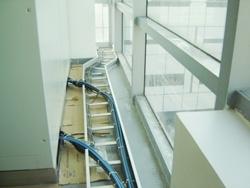 安裝(zhuang)橋(qiao)架
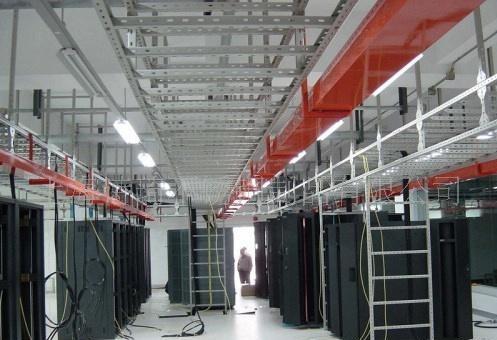 安裝(zhuang)橋(qiao)架
 安裝(zhuang)橋(qiao)架
 防火橋(qiao)架