濟(ji)南電纜(lan)橋架安裝施工(gong)要求(qiu)及規範
電纜(lan)橋架在我(wo)國的(de)應(ying)用(yong)只(zhi)有(you)十(shi)多(duo)年(nian),在歐(ou)美發達(da)也不過是(shi)幾(ji)十(shi)年(nian)。在壹(yi)個(ge)機(ji)房(fang)項(xiang)目(mu)中,比起(qi)造(zao)價昂(ang)貴、高(gao)科(ke)技(ji)的(de)硬件(jian)和(he)軟件(jian),橋架顯的(de)很不起眼,也很(hen)少(shao)為(wei)人(ren)關(guan)註(zhu),但(dan)它(ta)卻(que)也是(shi)整(zheng)個(ge)布線工(gong)程(cheng)中不可缺少的(de)部分(fen)。那(na)麽(me)在施工(gong)中電纜(lan)橋架安裝施工(gong)要求(qiu)及規範怎(zen)麽(me)樣(yang)?
The application of cable trays in China has only been more than ten years, and in developed countries in Europe and America, it is only a few decades. In a computer room project, compared to expensive and high-tech hardware and software, cable trays may appear inconspicuous and receive little attention, but they are still an indispensable part of the entire cabling project. So what are the requirements and standards for the installation of cable trays during construction?
1 壹(yi)般規定(ding) 1.1本章(zhang)適(shi)用(yong)於(yu)電壓為(wei)10KV及以(yi)下(xia)新(xin)建擴(kuo)建的(de)壹(yi)般工(gong)業(ye)與(yu)民用(yong)建(jian)築(zhu)電纜(lan)、橋架安裝和(he)橋架內電纜(lan)敷設
1 General Provisions 1.1 This chapter applies to the installation of cables, cable trays, and cable laying inside cable trays for newly constructed and expanded general industrial and civil buildings with a voltage of 10KV or below
1.2電纜(lan)橋架安裝和(he)橋架內電纜(lan)敷設,應(ying)按已(yi)批(pi)準的(de)設計(ji)文(wen)件(jian)施工(gong)。
1.2 The installation of cable trays and the laying of cables inside the trays shall be carried out in accordance with the approved design documents.
1.3由支、吊、托(tuo)架支撐(cheng)的(de)托盤(pan)(槽(cao))或(huo)梯(ti)架直(zhi)線(xian)段、彎通非(fei)直(zhi)線(xian)段組合而(er)成,敷設電纜(lan)具(ju)有(you)連(lian)續(xu)性(xing)的(de)剛(gang)性(xing)結(jie)構系(xi)統,為(wei)電纜(lan)橋架。見圖1.3
1.3 A rigid structural system consisting of trays (troughs) or ladder straight sections and curved non straight sections supported by supports, hangers, and brackets, with continuous cable laying, is called a cable tray. Refer to Figure 1.3
1.4 金屬(shu)電纜(lan)橋架及其(qi)支架和引(yin)入或引(yin)出的(de)金屬(shu)電纜(lan)導(dao)管必(bi)須接地(PE)或接零(PEN)可靠,且(qie)必須符(fu)合下列(lie)規定(ding):
1.4 Metal cable trays and their supports, as well as metal cable conduits introduced or led out, must be reliably grounded (PE) or grounded (PEN), and must comply with the following regulations:
1.4.1金(jin)屬電纜(lan)橋架及支架全(quan)長應(ying)不少於(yu)2處與(yu)接地(PE)或接零(PEN)幹線(xian)相連(lian)接(jie);
1.4.1 The total length of metal cable trays and supports should be connected to the grounding (PE) or neutral (PEN) main line at no less than 2 points;
1.4.2非(fei)鍍鋅(xin)電纜(lan)橋架間連(lian)接(jie)板的(de)兩端(duan)跨(kua)接(jie)線銅(tong)芯(xin)接(jie)地線,接地線小允(yun)許截面積不小於4mm2;
1.4.2 Copper core grounding wire for the two ends of the connecting plate between non galvanized cable trays, with a minimum allowable cross-sectional area of not less than 4mm2 for the grounding wire;
1.4.3鍍(du)鋅(xin)電纜(lan)橋架間連(lian)接(jie)板的(de)兩端(duan)不跨(kua)接(jie)接地線,但連(lian)接(jie)板兩端(duan)不少於(yu)2個(ge)有防(fang)松(song)螺(luo)帽或防(fang)松(song)墊(dian)圈(quan)的(de)連(lian)接(jie)固(gu)定(ding)螺(luo)栓。
1.4.3 The two ends of the connecting plate between galvanized cable trays shall not be connected to the grounding wire, but there shall be no less than 2 connection fixing bolts with anti loosening nuts or anti loosening washers at both ends of the connecting plate.
1.4.5電纜(lan)敷設嚴禁有(you)絞擰、鎧(kai)裝壓(ya)扁(bian)、護層斷(duan)裂(lie)和(he)表(biao)面嚴重劃(hua)傷(shang)等(deng)缺陷。
1.4.5 Cable laying must strictly prohibit defects such as twisting, flattening of armor, breakage of protective layer, and severe surface scratches.
1.4.6電纜(lan)橋架處如有(you)防火(huo)要求(qiu)的(de)場所,應(ying)采取防火(huo)隔離(li)措施。
If there are fire prevention requirements at the cable tray location, fire isolation measures should be taken.
2 施工(gong)準備
2. Construction preparation
2.1 技(ji)術(shu)準備:
2.1 Technical Preparation:
2.1.1按照(zhao)已批(pi)準的(de)施工(gong)組織設計(ji)(施工(gong)方案)進行技(ji)術(shu)、交底(di)。
2.1.1 Conduct technical and safety briefings in accordance with the approved construction organization design (construction plan).
2.1.2 施工(gong)執行工(gong)藝標(biao)準、圖集(ji)、規範齊(qi)全(quan)。
2.1.2 The construction execution process standards, drawings, and specifications are complete.
2.1.3電纜(lan)橋架敷設前,應(ying)檢查(zha)橋架敷設有無(wu)與(yu)其(qi)他設備、管(guan)線交(jiao)叉(cha)或(huo)重(zhong)疊(die)無法施工(gong)的(de)地方,施工(gong)前應(ying)與(yu)各工(gong)種(zhong)、監(jian)理或建設單位及(ji)設計(ji)單(dan)位協(xie)商(shang)好(hao),並(bing)作好(hao)記(ji)錄(lu),以保(bao)證施工(gong)順(shun)利(li)進行。
Before laying cable trays, it is necessary to check whether there are any areas where the tray crosses or overlaps with other equipment or pipelines that cannot be constructed. Prior to construction, it is necessary to consult with various trades, supervisors, construction units, and design units, and make records to ensure smooth construction.
2.1.4根據(ju)施工(gong)圖或施工(gong)所用(yong)電纜(lan)應(ying)作好(hao)電纜(lan)牽引(yin)力(li)的(de)計(ji)算。
2.1.4 According to the construction drawings or the cables used for construction, the calculation of cable traction force should be carried out.
1.電纜(lan)橋架規格(ge)及(ji)型號(hao)必須符(fu)合設計(ji)要(yao)求,附件(jian)齊(qi)全(quan);橋架與(yu)配件(jian)、附(fu)件(jian)和(he)緊固(gu)件(jian)各種(zhong)型(xing)鋼(gang)均應(ying)采用(yong)鍍(du)鋅(xin)標(biao)準件(jian)。
1. The specifications and models of cable trays must meet the design requirements, and all accessories must be complete; All types of steel for cable trays, accessories, attachments, and fasteners should use galvanized standard parts.
2.各種(zhong)規格(ge)電纜(lan)橋架的(de)直(zhi)線(xian)段、彎通、橋架附件(jian)及(ji)支、吊架立柱及(ji)型(xing)鋼(gang)等有產品合格證,橋架內外應(ying)光滑平整(zheng),無(wu)棱(leng)刺(ci),不應(ying)有扭曲(qu)翹邊(bian)等(deng)變(bian)形現(xian)象。
2. The straight sections, bends, accessories, supports, hangers, columns, and steel sections of various specifications of cable trays should have product certification. The inside and outside of the tray should be smooth and flat, without edges or burrs, and there should be no distortion or warping.
3.橋架訂(ding)貨(huo)或(huo)制作應(ying)按設計(ji)要(yao)求進行,不應(ying)有誤(wu),應(ying)反復(fu)校核(he)以免(mian)造成浪(lang)費。
3. The ordering or production of cable trays should be carried out according to the design requirements, without errors, and should be repeatedly checked to avoid waste.
4.橋架安裝選(xuan)擇(ze)需(xu)屏(ping)蔽(bi)電氣幹(gan)擾(rao)的(de)電纜(lan)回路,有(you)腐蝕的(de)場所、易(yi)燃粉塵場(chang)所,應(ying)選用(yong)無(wu)蓋(gai)無(wu)孔封(feng)閉型托(tuo)盤(pan),當需(xu)要(yao)因地制宜(yi)的(de)場所,宜(yi)選(xuan)用(yong)組(zu)裝式(shi)托(tuo)盤(pan)或有(you)孔托(tuo)盤(pan)及梯(ti)架;在容易(yi)積灰和其(qi)它(ta)需(xu)遮(zhe)蓋(gai)的(de)環境(jing)或(huo)戶外場(chang)所,宜(yi)帶有蓋(gai)板。低壓(ya)電力(li)電纜(lan)與(yu)控制電纜(lan)共用(yong)同壹(yi)托(tuo)盤(pan)或梯(ti)架時,應(ying)選用(yong)中(zhong)間(jian)有(you)隔(ge)板的(de)托盤(pan)或梯(ti)架;在托盤(pan)、梯架分支、引上、引下處應(ying)設適當的(de)彎通(tong);因受(shou)空(kong)間條(tiao)件(jian)限(xian)制不便裝設彎通(tong)或有(you)特(te)殊(shu)要求(qiu)時,可選用(yong)軟(ruan)連(lian)接(jie)板,鉸接(jie)板;伸縮(suo)縫應(ying)設置伸(shen)縮板;連(lian)接(jie)兩段不同寬度(du)或高(gao)度(du)的(de)托盤(pan)、梯架可配置(zhi)變(bian)寬或變(bian)高(gao)板。但在施工(gong)中,支、吊架和橋架的(de)選擇(ze)應(ying)依設計(ji)或(huo)工(gong)程(cheng)布置(zhi)條件(jian)選(xuan)擇(ze)。
4. When installing cable trays, cable circuits that need to be shielded from electrical interference should be selected. In places with corrosion and flammable dust, uncovered and non perforated enclosed trays should be used. When suitable for local conditions, assembled trays or perforated trays and ladders should be selected; In environments or outdoor places that are prone to dust accumulation and require cover, it is advisable to have a cover plate. When low-voltage power cables and control cables share the same tray or ladder, a tray or ladder with a partition in the middle should be selected; Appropriate bends should be installed at the branching, leading up, and leading down points of pallets and ladders; When it is not convenient to install bends due to space constraints or there are special requirements, soft connecting plates and hinged plates can be used; Expansion joints should be equipped with expansion plates; Connecting two trays or ladders of different widths or heights can be configured with variable width or height boards. However, during construction, the selection of supports, hangers, and cable trays should be based on the design or engineering layout conditions.
5.托(tuo)盤(pan)、梯架的(de)寬和高(gao)度(du),應(ying)按下(xia)列要求選擇(ze):
5. The width and height of pallets and ladders should be selected according to the following requirements:
(1)電纜(lan)在橋架內的(de)填充率,電力(li)電纜(lan)不應(ying)大(da)於40%;控(kong)制電纜(lan)不應(ying)大(da)於50%。並(bing)應(ying)留有(you)壹(yi)定(ding)的(de)備用(yong)空(kong)位,以(yi)便今(jin)後(hou)為(wei)增添(tian)電纜(lan)用(yong);
(1) The filling rate of cables in cable trays should not exceed 40% for power cables; The control cable should not exceed 50%. And there should be some spare space left for future cable additions;
(2)所選(xuan)托(tuo)盤(pan)、橋架規格(ge)的(de)承載(zai)能(neng)力(li)應(ying)滿(man)足規定(ding)。其(qi)工(gong)作均(jun)布(bu)荷(he)載(zai)不應(ying)大(da)於所選(xuan)托(tuo)盤(pan)、梯架荷(he)載(zai)等(deng)級(ji)的(de)額定(ding)均(jun)布荷(he)載(zai);
(2) The bearing capacity of the selected tray and bridge specifications should meet the requirements. The uniformly distributed load of its work should not exceed the rated uniformly distributed load of the selected pallet and ladder load level;
(3)工(gong)作均(jun)布(bu)荷(he)載(zai)下(xia)的(de)相對(dui)撓(nao)度(du)不宜(yi)大(da)於1/200。
(3) The relative deflection under uniformly distributed load should not exceed 1/200.
托(tuo)盤(pan)、梯架直(zhi)線(xian)段,可按單(dan)件(jian)標(biao)準長度(du)選擇(ze)。單(dan)件(jian)標(biao)準長度(du)壹(yi)般規定(ding)為(wei)2、3、4、6m。托盤(pan)、梯架的(de)寬度(du)與(yu)高(gao)度(du)常用(yong)規格(ge)尺寸系(xi)列(lie)如(ru)表2.4-1
Tray and ladder straight sections can be selected according to the standard length of a single piece. The standard length of a single piece is generally specified as 2, 3, 4, and 6 meters. The commonly used specifications and dimension series for the width and height of pallets and ladders are shown in Table 2.4-1
註:符(fu)號(hao)△表示(shi)常用(yong)規格(ge)。
Note: The symbol △ represents commonly used specifications.
各類(lei)彎通(tong)及(ji)附(fu)件(jian)規格(ge),應(ying)適合工(gong)程(cheng)布置(zhi)條件(jian),並(bing)與(yu)托盤(pan)、梯架配套(tao)。
All types of bends and accessory specifications should be suitable for the engineering layout conditions and matched with pallets and ladders.
支、吊架規格(ge)選(xuan)擇(ze),應(ying)按托(tuo)盤(pan)、梯架規格(ge)層(ceng)數、跨(kua)距(ju)等條(tiao)件(jian)配(pei)置,並(bing)應(ying)滿(man)足荷(he)載(zai)的(de)要求(qiu)。
The selection of support and hanger specifications should be based on the number of layers, span, and other conditions of the pallet and ladder, and should meet the requirements of the load.
鋼(gang)制橋架的(de)表面處理方(fang)式(shi),應(ying)按工(gong)程(cheng)環境(jing)條(tiao)件(jian)、重(zhong)要性(xing)、耐久性(xing)和(he)技(ji)術(shu)經(jing)濟(ji)性(xing)等(deng)因素進行選(xuan)擇(ze)。壹(yi)般情(qing)況(kuang)宜(yi)按表(biao)2.4-2選擇(ze)適(shi)用(yong)工(gong)程(cheng)環境(jing)條(tiao)件(jian)的(de)防腐處理方(fang)式(shi)。當采用(yong)表(biao)中(zhong)“T”類(lei)防腐方式(shi)為(wei)鍍鋅(xin)鎳(nie)合金、高(gao)純(chun)化等(deng)其(qi)它(ta)防(fang)腐處理的(de)橋架,應(ying)按規定(ding)試(shi)驗驗(yan)證,並(bing)應(ying)具(ju)有(you)明(ming)確的(de)技(ji)術(shu)質量(liang)指標及(ji)檢(jian)測(ce)方(fang)式(shi)。
The surface treatment method for steel cable trays should be selected based on factors such as engineering environmental conditions, importance, durability, and technical economy. Generally, it is advisable to choose the anti-corrosion treatment method that is suitable for the engineering environmental conditions according to Table 2.4-2. When using the "T" anti-corrosion method in the table, such as galvanized nickel alloy, high-purity or other anti-corrosion treatments, the bridge should be tested and verified according to regulations, and should have clear technical quality indicators and testing methods.
註(zhu):符(fu)號(hao)“○”表示(shi)防(fang)腐類(lei)別。
Note: The symbol "○" indicates the recommended anti-corrosion category.
6.橋架的(de)外觀(guan)檢查(zha)
6. Appearance inspection of bridge frame
橋架產品包(bao)裝箱內(nei)應(ying)有裝箱清(qing)單(dan)、產品合格證及(ji)出(chu)廠檢驗(yan)報(bao)告。托盤(pan)、梯架板材厚度(du)應(ying)滿(man)足表2.6的(de)規定(ding)。表(biao)面防腐層材(cai)料應(ying)符(fu)合現行(xing)有(you)關(guan)標(biao)準的(de)規定(ding)。
The packaging box for bridge products should include a packing list, product certification, and factory inspection report. The thickness of pallets and ladder boards should meet the requirements of Table 2.6. The surface anti-corrosion coating material should comply with the relevant national standards currently in effect.
熱浸(jin)鍍(du)鋅的(de)托盤(pan)、橋架鍍層(ceng)表面應(ying)均勻(yun),無毛(mao)刺(ci)、過燒(shao)、掛(gua)灰、傷(shang)痕(hen)、局(ju)部未鍍鋅(直(zhi)徑(jing)2mm以(yi)上)等缺陷,不得有影響安裝的(de)鋅瘤(liu)。螺(luo)紋(wen)的(de)鍍層(ceng)應(ying)光滑,螺(luo)栓連(lian)接(jie)件(jian)應(ying)能(neng)擰(ning)入。
The surface of hot-dip galvanized trays and cable trays should be uniform, without defects such as burrs, overburning, hanging dust, scars, and partial non galvanizing (diameter of 2mm or more), and there should be no zinc nodules that affect installation. The coating of the thread should be smooth, and the bolt connection should be able to be screwed in.
電鍍鋅(xin)的(de)鋅層(ceng)表面應(ying)光滑均(jun)勻(yun),致密。不得有起(qi)皮(pi)、氣泡、花斑(ban)、局部未鍍、劃(hua)傷(shang)等(deng)缺陷。
The surface of the zinc layer of electroplated zinc should be smooth, uniform, and dense. There shall be no defects such as peeling, bubbles, flower spots, partial uncoated areas, scratches, etc.
噴塗應(ying)平整(zheng)、光(guang)滑、均(jun)勻(yun)、不起皮(pi)、無氣泡水泡。
The spraying should be smooth, even, without peeling or bubbles.
橋架焊縫表(biao)面均勻(yun),不得有漏(lou)焊、裂(lie)紋(wen)、夾(jia)渣(zha)、燒(shao)穿(chuan)、弧坑等缺陷。
The surface of the bridge welding seam should be uniform and free of defects such as missed welding, cracks, slag inclusion, burn through, arc craters, etc.
橋架螺(luo)栓孔徑(jing),在螺(luo)桿直(zhi)徑(jing)不大(da)於M16時(shi),可比螺(luo)桿直(zhi)徑(jing)大(da)2mm。
The hole diameter of the bridge bolt can be 2mm larger than the screw diameter when the screw diameter is not greater than M16.
螺(luo)栓連(lian)接(jie)孔的(de)孔距(ju)允(yun)許偏差(cha):同壹(yi)組(zu)內相鄰兩(liang)孔間(jian)距(ju)±0.7mm,同壹(yi)組(zu)內任意兩(liang)孔間(jian)距(ju)±1mm;相鄰兩(liang)組(zu)的(de)端孔間(jian)距(ju)±1.2mm。
The allowable deviation for the distance between bolt connection holes is: the distance between adjacent holes in the same group is ± 0.7mm, the distance between any two holes in the same group is ± 1mm, and the distance between end holes in adjacent groups is ± 1.2mm.
7.膨脹(zhang)螺(luo)栓:應(ying)根據(ju)允(yun)許拉(la)力(li)和(he)剪力(li)進行選(xuan)擇(ze);可按計(ji)劃(hua)驗收,絲扣(kou)應(ying)完(wan)好(hao)無損。
7. Expansion bolts: should be selected based on allowable tensile and shear forces; The inspection can be carried out according to the plan, and the thread should be intact and undamaged.
8.電纜(lan)應(ying)有合格證和(he)“CCC”認(ren)證標(biao)誌(zhi),並(bing)應(ying)有“CCC”認(ren)證復(fu)印(yin)件(jian);每(mei)盤(pan)電纜(lan)上應(ying)標明(ming)規格(ge)、型(xing)號(hao)、電壓等(deng)級(ji)、長度(du)及出(chu)廠日期電纜(lan)相應(ying)完(wan)好(hao)無損。
8. The cable should have a certificate of conformity and the "CCC" certification mark, and should have a copy of the "CCC" certification; Each cable reel should indicate the specifications, model, voltage level, length, and date of manufacture, and the cable should be intact and undamaged accordingly.
9.電纜(lan)外觀(guan)完(wan)好(hao)無損,鎧裝無(wu)銹(xiu)蝕(shi)、無(wu)機(ji)械(xie)操作,無(wu)皺(zhou)折和(he)扭曲(qu)現(xian)象。油(you)浸(jin)電纜(lan)應(ying)密封(feng)良好(hao),無漏(lou)油(you)及滲(shen)油(you)現象。橡(xiang)套(tao)及塑(su)料電纜(lan)外皮(pi)及絕緣(yuan)層(ceng)無(wu)老化及(ji)裂(lie)紋(wen)。電纜(lan)端頭密封(feng)良好(hao)。
9. The appearance of the cable is intact and undamaged, the armor is not corroded, there is no mechanical operation, and there is no wrinkling or twisting phenomenon. Oil immersed cables should be well sealed without oil leakage or seepage. The rubber sleeve and plastic cable sheath and insulation layer have no aging or cracks. The cable end is well sealed.
10.其(qi)它(ta)附(fu)屬材(cai)料;電纜(lan)標示(shi)牌、油(you)漆、汽油(you)、封(feng)鉛、硬(ying)脂酸(suan)白(bai)布帶、橡皮(pi)包(bao)布(bu)、黑(hei)包(bao)布(bu)、塑(su)料絕(jue)緣帶等均(jun)應(ying)符(fu)合要求(qiu)
10. Other ancillary materials; Cable signs, paint, gasoline, lead sealing, stearic acid white cloth tape, rubber wrap, black wrap, plastic insulation tape, etc. should all meet the requirements
3 施工(gong)工(gong)藝
3 Construction Techniques
3.1 電纜(lan)橋架安裝施工(gong)工(gong)藝
3.1 Construction process for cable tray installation
3.1.1電纜(lan)橋架安裝工(gong)藝流(liu)程(cheng):
3.1.1 Cable tray installation process:
定(ding)位放線(xian)→預埋(mai)鐵件(jian)或(huo)膨脹螺(luo)栓→支、吊、托(tuo)架安裝→橋架安裝→保(bao)護接地安裝
Positioning and laying out → Pre embedded iron parts or expansion bolts → Installation of supports, hangers, and brackets → Installation of cable trays → Installation of protective grounding
3.1.2根據(ju)施工(gong)圖確定(ding)始(shi)端到(dao)終端位置(zhi),沿圖紙標(biao)定(ding)走向(xiang),找好(hao)水平、垂(chui)直(zhi)、彎(wan)通(tong),用(yong)粉線袋或畫線沿橋架走向(xiang)在墻(qiang)壁(bi)、頂棚、地面、梁(liang)、板、柱等(deng)處彈(dan)線或(huo)畫線,並(bing)均勻(yun)檔距(ju)畫出支、吊、托(tuo)架位置(zhi)。
3.1.2 Determine the starting and ending positions according to the construction drawing, mark the direction along the drawing, find the horizontal, vertical, and curved lines, use a powder line bag or draw lines along the bridge direction to snap or draw lines on walls, ceilings, floors, beams, slabs, columns, etc., and draw the positions of supports, hangers, and brackets evenly spaced.
3.1.3預埋(mai)鐵件(jian)或(huo)膨脹螺(luo)栓
3.1.3 Pre embedded iron parts or expansion bolts
(1) 預埋(mai)鐵件(jian)的(de)自制加工(gong)不應(ying)小於120mm×80mm×6mm,做(zuo)法如本標準6.3.7.2圖6.3.7.2。其(qi)錨固(gu)圓(yuan)鋼(gang)的(de)直(zhi)徑(jing)不小於10mm。
(1) The self-made processing of embedded iron parts should not be less than 120mm × 80mm × 6mm, as shown in Figure 6.3.7.2 of this standard. The diameter of the anchored round steel shall not be less than 10mm.
(2) 緊(jin)密(mi)配(pei)合土建(jian)結(jie)構的(de)施工(gong),將預埋(mai)鐵件(jian)平面緊貼(tie)模(mo)板,將錨固(gu)圓(yuan)鋼(gang)用(yong)綁(bang)紮(zha)或焊接的(de)方法固(gu)定(ding)在結構內的(de)鋼(gang)筋上;待(dai)混凝土模(mo)板拆除(chu)後(hou),預埋(mai)鐵件(jian)平面外露(lu),將支架、吊架或托(tuo)架焊接(jie)在上面進行固(gu)定(ding)。
(2) Closely cooperate with the construction of civil engineering structures, tightly adhere the embedded iron parts to the formwork, and fix the anchoring round steel to the steel bars inside the structure by binding or welding; After the concrete formwork is removed, the embedded iron parts should be exposed on the surface, and the brackets, hangers or brackets should be welded on top for fixation.
(3) 根據(ju)支架承受的(de)荷(he)重(zhong),選擇(ze)相應(ying)的(de)膨脹(zhang)螺(luo)栓及(ji)鉆頭;埋好(hao)螺(luo)栓後(hou),可用(yong)螺(luo)母配上相應(ying)的(de)墊(dian)圈(quan)將支架或吊(diao)架直(zhi)接(jie)固(gu)定(ding)在金屬(shu)膨脹(zhang)螺(luo)栓上,可參(can)見本標準6.3.7.7圖表。
(3) Select the corresponding expansion bolts and drill bits based on the load borne by the bracket; After burying the bolts, the bracket or hanger can be directly fixed to the metal expansion bolt with nuts and corresponding washers, as shown in Figure 6.3.7.7 of this standard.
4.支、吊架安裝
4. Installation of supports and hangers
(1) 支架與(yu)吊架所用(yong)鋼(gang)材應(ying)平直(zhi),無(wu)顯著(zhu)扭曲(qu)。下(xia)料後(hou)長短偏差(cha)應(ying)在3mm範圍(wei)內(nei),切口處應(ying)無卷(juan)邊(bian)、毛(mao)刺(ci);
(1) The steel used for brackets and hangers should be straight and free from significant distortion. The length deviation after cutting should be within 3mm, and there should be no curled edges or burrs at the incision;
(2) 鋼(gang)支架與(yu)吊架應(ying)焊接(jie)牢固(gu),無(wu)顯著(zhu)變(bian)形,焊(han)接前厚度(du)超(chao)過(guo)4mm的(de)支架、鐵件(jian)應(ying)打坡口,焊縫均(jun)勻平整(zheng),焊(han)縫長度(du)應(ying)符(fu)合要求(qiu),不得出現(xian)裂(lie)紋(wen)、咬邊(bian)、氣孔、凹陷、漏(lou)焊等缺陷;
(2) Steel brackets and hangers should be welded firmly without significant deformation. Brackets and iron parts with a thickness exceeding 4mm before welding should be chamfered, and the weld seam should be uniform and smooth. The weld seam length should meet the requirements and should not have defects such as cracks, undercutting, porosity, indentation, or missed welding;
(3)支架與(yu)吊架應(ying)安裝牢(lao)固(gu),保(bao)證橫(heng)平豎(shu)直(zhi),在有坡度(du)的(de)建築(zhu)物(wu)上安裝支架與(yu)吊架應(ying)與(yu)建築(zhu)物(wu)的(de)坡度(du)、角度(du)壹(yi)致(zhi);
(3) The brackets and hangers should be installed firmly, ensuring horizontal and vertical alignment. When installing brackets and hangers on buildings with slopes, they should be consistent with the slope and angle of the building;
支架與(yu)吊架的(de)規格(ge)壹(yi)般不應(ying)小於扁(bian)鋼(gang)30mm×3mm;角鋼(gang)25mm×25mm×3mm;
The specifications of brackets and hangers should generally not be less than 30mm × 3mm for flat steel and 25mm × 25mm × 3mm for angle steel;
(5)嚴禁用(yong)電氣焊(han)切割鋼(gang)結構或輕鋼(gang)龍骨任何部位;
(5) It is strictly prohibited to use electrical welding to cut any part of steel structures or light steel joists;
(6)吊(diao)具(ju)應(ying)采用(yong)定(ding)型(xing)產品,並(bing)應(ying)有各自獨(du)立的(de)吊裝卡(ka)具(ju)或(huo)支撐(cheng)系(xi)統。
(6) Universal lifting devices should use standardized products and have their own independent lifting fixtures or support systems.
(7)固(gu)定(ding)支點間(jian)距(ju)壹(yi)般不應(ying)大(da)於1.5~2m。在進出接(jie)線(xian)盒、箱、櫃(gui)、轉(zhuan)角(jiao)、轉(zhuan)彎(wan)和(he)變(bian)形縫兩(liang)端及(ji)丁(ding)字接頭的(de)三(san)端(duan)500mm以(yi)內應(ying)設固(gu)定(ding)支持(chi)點。
(7) The distance between fixed support points should generally not exceed 1.5-2m. Fixed support points should be set within 500mm at both ends of the entrance and exit junction boxes, boxes, cabinets, corners, bends, and deformation joints, as well as at the three ends of the T-shaped joint.
(8)嚴禁用(yong)木(mu)磚(zhuan)固(gu)定(ding)支架與(yu)吊架。
(8) It is strictly prohibited to use wooden bricks to fix brackets and hangers.
5.橋架安裝
5. Bridge installation
(1) 電纜(lan)橋架水平敷(fu)設時,支撐(cheng)跨(kua)距(ju)壹(yi)般為(wei)1.5~3m,電纜(lan)橋架垂(chui)直(zhi)敷(fu)設時固(gu)定(ding)點(dian)間距(ju)不宜(yi)大(da)於2m。橋架彎通(tong)彎曲(qu)半(ban)徑(jing)不大(da)於300mm時(shi),應(ying)在距(ju)彎曲(qu)段與(yu)直(zhi)線(xian)段結合處300~600mm的(de)直(zhi)線(xian)段側設置壹(yi)個(ge)支、吊架。當彎曲(qu)半(ban)徑(jing)大(da)於300mm時(shi),還(hai)應(ying)在彎通(tong)中部增(zeng)設壹(yi)個(ge)支、吊架。支、吊架和橋架安裝必(bi)須考慮(lv)電纜(lan)敷設彎曲(qu)半(ban)徑(jing)滿(man)足規範小彎曲(qu)半(ban)徑(jing)。見表(biao)3.1.5。
(1) When laying cable trays horizontally, the support span is generally 1.5-3m. When laying cable trays vertically, the spacing between fixed points should not exceed 2m. When the bending radius of the tray is not greater than 300mm, a support or hanger should be set on the side of the straight section 300-600mm away from the junction of the curved section and the straight section. When the bending radius is greater than 300mm, a support or hanger should be added in the middle of the bend. The installation of supports, hangers, and cable trays must consider that the bending radius of cable laying meets the minimum bending radius specified in the specifications. See Table 3.1.5.
註為(wei)電纜(lan)外徑(jing)。
Note the outer diameter of the cable.
(2)門(men)型角鋼(gang)支架的(de)安裝:梯(ti)型(xing)橋架沿墻(qiang)垂(chui)直(zhi)敷(fu)設,可使用(yong)門(men)型角鋼(gang)支架,支架的(de)固(gu)定(ding)應(ying)盡可能(neng)配(pei)合土建(jian)施工(gong)預埋(mai)。如圖3.1.5(2-1),也可在土建(jian)施工(gong)中預埋(mai)開角螺(luo)栓,用(yong)開(kai)角(jiao)螺(luo)栓固(gu)定(ding)支架如圖3.1.5(2-1),也可以采用(yong)膨(peng)脹(zhang)螺(luo)栓固(gu)定(ding)。
(2) Installation of door type angle steel bracket: The ladder type bridge is vertically laid along the wall, and door type angle steel bracket can be used. The fixation of the bracket should be embedded as much as possible in conjunction with civil construction. As shown in Figure 3.1.5 (2-1), angle bolts can also be pre embedded in civil construction to fix the bracket as shown in Figure 3.1.5 (2-1), or expansion bolts can be used for fixation.
(3)梯(ti)型角(jiao)鋼(gang)支架的(de)安裝:橋架沿墻(qiang)、柱水(shui)平安裝時(shi),托(tuo)壁(bi)需(xu)安裝在異型(xing)鋼(gang)立柱上,而(er)立柱要(yao)安裝在梯型(xing)角鋼(gang)支架上,使柱和(he)墻(qiang)上的(de)橋架固(gu)定(ding)支架(或托(tuo)臂)在同壹(yi)條(tiao)直(zhi)線(xian)上。制作見圖和表(biao)3.1.5(3)底(di)架與(yu)門(men)型架焊接(jie)時,焊(han)角高(gao)度(du)5mm。
(3) Installation of ladder type angle steel bracket: When the bridge is installed horizontally along the wall or column, the support wall needs to be installed on the special-shaped steel column, and the column needs to be installed on the ladder type angle steel bracket, so that the fixed bracket (or support arm) of the column and the bridge on the wall are in the same straight line. When welding the chassis and door frame as shown in Figure 3.1.5 (3), the welding angle height should be 5mm.
(4)電纜(lan)橋架立柱側(ce)壁(bi)式(shi)安裝:立柱是(shi)直(zhi)接(jie)支承托臂的(de)部件(jian),分(fen)工(gong)字鋼(gang)槽(cao)鋼(gang)、角鋼(gang)、異型(xing)鋼(gang)立柱;立柱可以在墻(qiang)上、柱上安裝、也可懸吊在梁(liang)板上安裝。做(zuo)法在混凝(ning)土可預埋(mai)鐵件(jian);砌體(ti)可砌築(zhu)預制砌塊;也可以采用(yong)膨(peng)脹(zhang)螺(luo)栓但(dan)必(bi)須在混凝(ning)土強(qiang)度(du)C20或磚(zhuan)強度(du)在MU10以上的(de)磚(zhuan)砌體(ti)上,作法可參(can)照3.1.5(4a、b、c、d、e、f)。
(4) Side wall installation of cable tray columns: The columns are components that directly support the support arms, and are divided into steel channel steel, angle steel, and special-shaped steel columns; Columns can be installed on walls, columns, or suspended from beams and slabs. The method involves embedding iron components in concrete; Prefabricated masonry blocks can be used for masonry construction; Expansion bolts can also be used, but they must be used on brick masonry with concrete strength C20 or brick strength above MU10. The method can refer to section 3.1.5 (4a, b, c, d, e, f).
(5)電纜(lan)橋架應(ying)敷設在易燃易(yi)爆氣體(ti)管和(he)熱力(li)管(guan)道的(de)下方(fang),當設計(ji)無(wu)要求時,與(yu)管道的(de)小凈(jing)距(ju),符(fu)合3.1.5(5)的(de)規定(ding)。
(5) Cable trays should be laid below flammable and explosive gas pipelines and thermal pipelines. When there are no design requirements, the minimum clear distance from the pipeline should comply with the provisions of 3.1.5 (5).
6 托(tuo)臂安裝:
Installation of Arm 6:
托(tuo)臂(bi)是(shi)直(zhi)接(jie)支承托盤(pan)、梯架單獨(du)固(gu)定(ding)的(de)剛(gang)性(xing)部件(jian),托(tuo)臂有螺(luo)栓固(gu)定(ding)可預埋(mai)螺(luo)栓,也可采用(yong)膨(peng)脹(zhang)螺(luo)栓,也可卡接(jie),如圖3.1.6(1)、(2)、(3)、(4)、(5)。
The support arm is a rigid component that directly supports the tray and ladder frame and is fixed separately. The support arm can be fixed with bolts that can be embedded, expansion bolts, or clamped, as shown in Figure 3.1.6 (1), (2), (3), (4), and (5).
3.2 橋架安裝
3.2 Bridge installation
1.直(zhi)線(xian)段鋼(gang)制電纜(lan)橋架長度(du)超(chao)過(guo)30m,鋁(lv)合金或(huo)玻(bo)璃鋼(gang)制電纜(lan)橋架長度(du)超(chao)過(guo)15m應(ying)設有伸(shen)縮節(jie),跨(kua)越(yue)伸(shen)縮(suo)縫處設置補(bu)償裝置(zhi),可用(yong)帶伸縮(suo)節(jie)的(de)橋架。
1. If the length of a straight steel cable tray exceeds 30m, or if the length of an aluminum alloy or fiberglass cable tray exceeds 15m, expansion joints should be installed. Compensation devices should be installed at the expansion joint crossing points, and cable trays with expansion joints can be used.
2.橋架與(yu)支架間螺(luo)栓、橋架連(lian)接(jie)板螺(luo)栓緊(jin)固(gu)無(wu)遺漏(lou),螺(luo)母位於(yu)橋架外側(ce),當鋁合金橋架與(yu)鋼(gang)支架固(gu)定(ding)時(shi),有相互(hu)間(jian)絕緣防電化措(cuo)施腐蝕措(cuo)施,壹(yi)般可墊(dian)石(shi)棉墊(dian)。
2. The bolts between the bridge and the bracket, as well as the bolts of the bridge connecting plate, are tightened without omission, and the nuts are located on the outside of the bridge. When the aluminum alloy bridge and the steel bracket are fixed, there are mutual insulation and corrosion prevention measures, and asbestos pads can generally be used.
3.敷(fu)設在豎井內和穿(chuan)越(yue)不同防火(huo)區的(de)橋架,應(ying)按設計(ji)要(yao)求位置(zhi),有防(fang)火(huo)隔離(li)措施,電纜(lan)橋架在電氣豎(shu)井內敷設可采用(yong)角(jiao)鋼(gang)固(gu)定(ding),見圖3.1.8。
3. Cable trays laid in vertical shafts and crossing different fire zones should be located according to design requirements and have fire isolation measures. Cable trays laid in electrical vertical shafts can be fixed with angle steel, as shown in Figure 3.1.8.
4.電纜(lan)橋架在穿(chuan)過(guo)防火(huo)墻(qiang)及(ji)防(fang)火(huo)樓板時,應(ying)采取防火(huo)隔離(li)措施,防止(zhi)火(huo)災沿線路延(yan)燃;防(fang)火(huo)隔離(li)墻(qiang)、板,應(ying)配合土建(jian)施工(gong)預留(liu)洞口,在洞口處預埋(mai)好(hao)護邊(bian)角(jiao)鋼(gang),施工(gong)時根據(ju)電纜(lan)敷設的(de)層數(shu)和根數用(yong)L50×50×5角(jiao)鋼(gang)作固(gu)定(ding)框(kuang),同時將固(gu)定(ding)櫃(gui)焊(han)在護邊(bian)角(jiao)鋼(gang)上;也可以先作好(hao)框(kuang)在土建(jian)施工(gong)中砌體(ti)或澆(jiao)灌混(hun)凝(ning)土時安裝在墻(qiang)、板中。
4. When cable trays pass through firewalls and fire-resistant floor slabs, fire-resistant isolation measures should be taken to prevent fires from spreading along the line; Fire isolation walls and panels should be equipped with reserved openings for civil construction, and edge protection angle steel should be pre embedded at the openings. During construction, L50 × 50 × 5 angle steel should be used as a fixed frame according to the number of layers and cables laid, and the fixed cabinet should be welded to the edge protection angle steel; Alternatively, the frame can be installed in the wall or slab during masonry or concrete pouring in civil construction.
3.3 橋架的(de)接地,當設計(ji)允(yun)許利(li)用(yong)橋架系(xi)統構成接地幹線回(hui)路時(shi),應(ying)符(fu)合下列(lie)要(yao)求:
3.3 When the design allows the use of the bridge system to form a grounding main circuit, the grounding of the bridge should meet the following requirements:
1. 金屬(shu)電纜(lan)橋架及其(qi)支架引入或引(yin)出的(de)金屬(shu)電纜(lan)導(dao)管必(bi)須接地(PE)或接零(PEN)可靠,且(qie)必須符(fu)合下列(lie)規範:
1. Metal cable trays and their brackets must have reliable grounding (PE) or neutral (PEN) for the metal cable conduits introduced or led out, and must comply with the following specifications:
(1) 金(jin)屬(shu)電纜(lan)橋架及其(qi)支架全(quan)長,與(yu)接地(PE)或接零(PEN)幹線(xian)相連(lian)接(jie)不小於2處,使整(zheng)個(ge)橋架為(wei)壹(yi)個(ge)電氣通(tong)路。
(1) The entire length of the metal cable tray and its support shall be connected to the grounding (PE) or neutral (PEN) main line at no less than 2 points, making the entire tray an electrical pathway.
(2) 非(fei)鍍鋅(xin)電纜(lan)橋架間連(lian)接(jie)的(de)兩端(duan)跨(kua)接(jie)銅(tong)芯(xin)接(jie)地線,接地線小允(yun)許截面積不小於4mm2。
(2) The two ends of the non galvanized cable tray are connected with copper core grounding wires, and the minimum allowable cross-sectional area of the grounding wire is not less than 4mm2.
(3) 鍍(du)鋅(xin)電纜(lan)橋架間連(lian)接(jie)板的(de)兩端(duan)可不跨(kua)接(jie)接地線,但連(lian)接(jie)板兩端(duan)不少於(yu)2個(ge)有防(fang)松(song)螺(luo)帽或防(fang)松(song)墊(dian)圈(quan)的(de)連(lian)接(jie)固(gu)定(ding)螺(luo)栓。
(3) The two ends of the connecting plate between galvanized cable trays may not be connected to the grounding wire, but there shall be no less than 2 fixing bolts with anti loosening nuts or anti loosening washers at both ends of the connecting plate.
2. 盤(pan)、梯架端部之(zhi)間(jian)連(lian)接(jie)電阻(zu)不應(ying)大(da)於0.00033Ω並(bing)應(ying)用(yong)等(deng)電位聯(lian)結(jie)測(ce)試(shi)儀(導(dao)通儀)或(huo)微Ω表測(ce)試(shi),測(ce)試(shi)應(ying)在連(lian)接(jie)點的(de)兩側(ce)進行,對(dui)整(zheng)個(ge)橋架全(quan)長的(de)兩端(duan)連(lian)接(jie)電阻(zu)不應(ying)大(da)於0.5Ω或(huo)由設計(ji)決(jue)定(ding),否則(ze)應(ying)增加(jia)接地點,以滿(man)足要求(qiu)。接(jie)地孔應(ying)塗層,與(yu)塗層接觸的(de)螺(luo)栓有(you)壹(yi)側(ce)的(de)平墊(dian)應(ying)使用(yong)帶爪的(de)專用(yong)接(jie)地墊(dian)圈(quan)。
2. The connection resistance between the ends of the tray and ladder should not exceed 0.00033 Ω and should be tested using an equipotential bonding tester (continuity meter) or a micro Ω meter. The test should be conducted on both sides of the connection point, and the connection resistance at both ends of the entire length of the bridge should not exceed 0.5 Ω or be determined by the design. Otherwise, a grounding point should be added to meet the requirements. The grounding hole should eliminate the coating, and the flat pad on one side of the bolt in contact with the coating should use a special grounding washer with claws.
3. 伸(shen)縮縫或(huo)軟連(lian)接(jie)處需(xu)采用(yong)編織銅(tong)線(xian)連(lian)接(jie)。沿橋架全(quan)長另敷(fu)設接地幹線時(shi),每(mei)段(包(bao)括(kuo)非(fei)直(zhi)線(xian)段)托盤(pan)、梯架應(ying)小有壹(yi)點(dian)與(yu)接地幹線可靠連(lian)接(jie);在接地部位的(de)連(lian)接(jie)處應(ying)裝置(zhi)彈(dan)簧墊(dian)圈(quan),以(yi)免松(song)動(dong)。
3. Expansion joints or soft connections should be connected using braided copper wires. When laying a grounding main line along the entire length of the bridge, each section (including non-linear sections) of the tray and ladder should be reliably connected to the grounding main line at a small point; A spring washer should be installed at the connection point of the grounding part to prevent loosening.
電纜(lan)橋架作為(wei)布線(xian)工(gong)程(cheng)的(de)壹(yi)個(ge)配套項(xiang)目(mu),目前尚(shang)無(wu)專門(men)的(de)規範指導(dao),個生(sheng)產廠家的(de)規格(ge)程(cheng)式(shi)缺乏通用(yong)性(xing),因此(ci),設計(ji)選(xuan)型過程(cheng)應(ying)根據(ju)弱(ruo)電各個系(xi)統纜(lan)顯得類(lei)型、數(shu)量(liang),合理選(xuan)定(ding)適(shi)用(yong)的(de)橋架。(1)確定(ding)方(fang)向(xiang): 根據(ju)建(jian)築(zhu)平面布置(zhi)圖,結合空(kong)調管(guan)線(xian)和(he)電氣管(guan)線等(deng)設置情(qing)況(kuang)、方便(bian)維(wei)修,以(yi)及電纜(lan)路由的(de)疏(shu)密(mi)來(lai)確定(ding)電纜(lan)橋架的(de)路由。在室(shi)內,盡可能(neng)沿建築(zhu)物(wu)的(de)墻(qiang)、柱、梁(liang)及樓(lou)板架設,如許(xu)利(li)用(yong)綜(zong)合管廊架設時,則(ze)應(ying)在管道(dao)壹(yi)側(ce)或上方平行(xing)架設,並(bing)考慮(lv)引下(xia)線和分支線盡量(liang)避免交(jiao)叉(cha),如(ru)無(wu)其(qi)它(ta)管(guan)架借(jie)用(yong),則(ze)需(xu)自(zi)設立(支)柱。
As a supporting project of wiring engineering, there is currently no specialized specification guidance for cable trays, and the specifications and programs of individual manufacturers lack universality. Therefore, the design and selection process should be based on the type and quantity of cables in various weak current systems, and the appropriate cable tray should be selected reasonably. (1) Determine direction: Determine the optimal route for cable trays based on the building layout plan, combined with the installation of air conditioning and electrical pipelines, convenient maintenance, and the density of cable routing. Indoors, try to install along the walls, columns, beams, and floor slabs of the building as much as possible. When using a comprehensive pipe gallery for installation, parallel installation should be carried out on one side or above the pipeline, and consideration should be given to avoiding crossing of down conductors and branch lines as much as possible. If there are no other pipe racks to borrow, self installing (supporting) columns is required.
(2)荷(he)載(zai)計(ji)算:計(ji)算電纜(lan)橋架主幹(gan)線縱斷(duan)面上單位長度(du)的(de)電纜(lan)重量(liang)。
(2) Load calculation: Calculate the weight of cables per unit length on the longitudinal section of the main cable tray.
(3)確定(ding)橋架的(de)寬度(du):根據(ju)布(bu)放電纜(lan)條數(shu)、電纜(lan)直(zhi)徑(jing)及(ji)電纜(lan)的(de)間距(ju)來(lai)確定(ding)電纜(lan)橋架的(de)型號(hao)、規格(ge), 托(tuo)臂的(de)長度(du),支柱的(de)長度(du)、間距(ju),橋架的(de)寬度(du)和層(ceng)數(shu)。
(3) Determine the width of the cable tray: Determine the model and specifications of the cable tray, the length of the support arm, the length and spacing of the pillars, the width and number of layers of the cable tray based on the number of cables laid, the diameter of the cables, and the spacing between the cables.
(4)確定(ding)安裝方(fang)式(shi):根據(ju)場(chang)所的(de)設置條(tiao)件(jian)確定(ding)橋架的(de)固(gu)定(ding)方(fang)式(shi),選(xuan)擇(ze)懸吊式(shi)、直(zhi)立式(shi)、側(ce)壁(bi)式(shi)或(huo)是混合式(shi),連(lian)接(jie)件(jian)和(he)緊固(gu)件(jian)壹(yi)般是配(pei)套(tao)供應(ying)的(de),此外,根據(ju)橋架結構選折相應(ying)的(de)蓋板。
(4) Determine installation method: Determine the fixing method of the bridge according to the setting conditions of the site, choose suspended, upright, side wall or hybrid, and the connectors and fasteners are generally supplied together. In addition, select the corresponding cover plate according to the structure of the bridge.
(5)繪出(chu)電纜(lan)橋架平、剖(pou)面圖,局部部位還(hai)應(ying)繪出(chu)空(kong)間圖,開列(lie)材(cai)料表(biao)。
(5) Draw a plan and section diagram of the cable tray, and also draw a spatial diagram of some parts, and list the material list.
2、如與(yu)電力(li)電纜(lan)橋架合用(yong)時(shi),應(ying)將電力(li)電纜(lan)和弱(ruo)電電纜(lan)各直(zhi)壹(yi)側(ce),中間采用(yong)隔(ge)板分隔(ge)。
2. When used in conjunction with power cable trays, the power cables and weak current cables should be placed on one side each, and separated by a partition in the middle.
3、弱電電纜(lan)與(yu)其(qi)它(ta)低(di)電壓電纜(lan)合用(yong)橋架時,應(ying)嚴格執行選擇(ze)具(ju)有(you)外屏(ping)蔽(bi)層的(de)弱電系(xi)統的(de)弱電電纜(lan),避免相互(hu)間(jian)的(de)幹擾(rao)。
3. When weak current cables are used in cable trays with other low voltage cables, it is necessary to strictly select weak current cables with external shielding layers to avoid interference between them.
4、電纜(lan)橋架安裝要(yao)求(qiu)
4. Installation requirements for cable trays
(1)槽(cao)式(shi)大(da)跨(kua)距(ju)電纜(lan)橋架由室(shi)外進入建築(zhu)物(wu)內時,橋架向(xiang)外的(de)坡度(du)不得小於1/100。(2)電纜(lan)橋架與(yu)用(yong)電設備交(jiao)越(yue)時(shi),其(qi)間的(de)凈(jing)距(ju)不小於0.5m。
(1) When the trough type large-span cable tray enters the building from the outside, the outward slope of the tray shall not be less than 1/100. (2) When the cable tray intersects with electrical equipment, the clear distance between them shall not be less than 0.5m.
(3)兩(liang)組(zu)電纜(lan)橋架在同壹(yi)高(gao)度(du)平行(xing)敷(fu)設時,其(qi)間凈(jing)距(ju)不小於0.6m。(4)在平行(xing)圖上繪出橋架的(de)路由,要註(zhu)明橋架起點(dian)、終點、拐(guai)彎點、分(fen)支點及(ji)升(sheng)降點的(de)坐(zuo)標或(huo)定(ding)位尺寸、標高(gao),如(ru)能(neng)繪(hui)制橋架敷設軸(zhou)側圖,則(ze)對(dui)材(cai)料統計(ji)將更精(jing)確。
(3) When two sets of cable trays are laid in parallel at the same height, the clear distance between them should not be less than 0.6m. (4) When drawing the routing of the tray on a parallel diagram, the coordinates or positioning dimensions and elevations of the starting point, ending point, turning point, branching point, and lifting point of the tray should be indicated. If a cable tray laying axis side diagram can be drawn, the material statistics will be more accurate.
直(zhi)線(xian)段:註明全(quan)長、橋架層數(shu)、標高(gao)、型(xing)號(hao)及規格(ge)。拐(guai)彎點和(he)分(fen)支點:註(zhu)明(ming)所用(yong)轉(zhuan)彎(wan)接(jie)板的(de)型號(hao)及規格(ge)。升(sheng)降段:註明標高(gao)變(bian)化,也可用(yong)局(ju)部大(da)樣(yang)圖或剖(pou)面圖表示(shi)。
Straight line segment: indicate the total length, number of bridge layers, elevation, model, and specifications. Turning and branching points: indicate the model and specifications of the turning joint used. Lifting section: indicate the elevation change, and it can also be represented by local detailed drawings or sectional drawings.
(5)橋架支撐(cheng)點(dian), 如(ru)立柱、托(tuo)臂(bi)或非(fei)標準支、構架的(de)間距(ju)、安裝方(fang)式(shi)、型(xing)號(hao)規格(ge)、標(biao)高(gao),可同意在平面上列表說(shuo)明(ming),也可分段標出用(yong)不同的(de)剖(pou)面圖、單線(xian)圖或大(da)樣(yang)圖表示(shi)。
(5) The spacing, installation method, model specifications, and elevation of bridge support points, such as columns, brackets, or non-standard supports and structures, can be listed and explained on the plane, or segmented and marked with different sectional drawings, single line drawings, or detailed drawings.
(6)電纜(lan)引下(xia)點位置(zhi)及引(yin)下方(fang)式(shi),壹(yi)般而(er)言(yan),大(da)批(pi)電纜(lan)引下(xia)可用(yong)垂(chui)直(zhi)彎(wan)接(jie)板和垂(chui)直(zhi)引(yin)上架,少量(liang)電纜(lan)引下(xia)可用(yong)導(dao)板或引(yin)管,註(zhu)明(ming)引(yin)下(xia)方式(shi)即(ji)可。
(6) Generally speaking, for a large number of cable leads, vertical bending plates and vertical lead frames can be used, while for a small number of cable leads, guide plates or guide pipes can be used, indicating the lead method.
(7)電纜(lan)橋架宜(yi)高(gao)出(chu)地面2.2米以(yi)上,橋架頂部距(ju)頂棚或其(qi)它(ta)障(zhang)礙物(wu)不應(ying)小於0.3米,橋架寬度(du)不宜(yi)小於0.1米,橋架內橫(heng)斷(duan)面的(de)填充率不應(ying)超(chao)過(guo)50%。
(7) The cable tray should be at least 2.2 meters above the ground, and the distance between the top of the tray and the ceiling or other obstacles should not be less than 0.3 meters. The width of the tray should not be less than 0.1 meters, and the filling rate of the cross-section inside the tray should not exceed 50%.
(8)電纜(lan)橋架內纜(lan)線垂(chui)直(zhi)敷(fu)設時,在纜(lan)線的(de)上端和每(mei)間隔(ge)1.5米處應(ying)固(gu)定(ding)在橋架的(de)支架上,水平敷(fu)設時, 在纜(lan)線的(de)首、尾(wei)、轉(zhuan)彎(wan)及(ji)每(mei)間隔(ge)3~5米處進行固(gu)定(ding)。
(8) When the cables are vertically laid in the cable tray, they should be fixed on the brackets of the tray at the upper end and every 1.5 meters. When laid horizontally, they should be fixed at the beginning, end, turn, and every 3-5 meters.
(9)在吊頂內設置時(shi),槽(cao)蓋(gai)開(kai)啟面應(ying)保持(chi)80毫(hao)米的(de)垂(chui)直(zhi)凈(jing)空(kong),線槽(cao)截面利(li)用(yong)率不應(ying)超(chao)過(guo)50%。
(9) When installed in the ceiling, the opening surface of the trough cover should maintain a vertical clearance of 80 millimeters, and the utilization rate of the trough section should not exceed 50%.
(10)布(bu)放在線槽(cao)的(de)纜(lan)線可以不綁(bang)紮(zha),槽(cao)內(nei)纜(lan)線應(ying)順(shun)直(zhi),槽(cao)內(nei)纜(lan)線應(ying)順(shun)直(zhi),盡量(liang)不交叉(cha),纜(lan)線不應(ying)溢(yi)出線(xian)槽(cao),在纜(lan)線進出線(xian)槽(cao)部位, 轉(zhuan)彎(wan)處應(ying)綁(bang)紮(zha)固(gu)定(ding)。垂(chui)直(zhi)線(xian)槽(cao)布(bu)放纜(lan)線應(ying)每(mei)間隔(ge)1.5米固(gu)定(ding)在纜(lan)線支架上。
(10) The cables laid in the cable trough can be left unbound. The cables inside the trough should be straight and straight, avoiding crossing as much as possible. The cables should not overflow from the trough. They should be tied and fixed at the entrance and exit of the trough, as well as at turns. The cables laid in the vertical cable tray should be fixed on the cable support every 1.5 meters.
(11)在水平、垂(chui)直(zhi)橋架和垂(chui)直(zhi)線(xian)槽(cao)中(zhong)敷(fu)設線時(shi),應(ying)對纜(lan)線進行綁(bang)紮(zha)。4對線電纜(lan)以24根為(wei)束(shu),25對(dui)或以(yi)上主幹線(xian)電纜(lan)、光纜(lan)及其(qi)它(ta)信號(hao)電纜(lan)應(ying)根據(ju)纜(lan)線的(de)類(lei)型、纜(lan)徑、纜(lan)線芯(xin)數(shu)分(fen)束(shu)綁(bang)紮(zha)。綁(bang)紮(zha)間距(ju)不宜(yi)大(da)於1.5米,扣(kou)間距(ju)應(ying)均勻(yun),松(song)緊(jin)適(shi)度(du)。
(11) When laying wires in horizontal and vertical cable trays and vertical trunking, the cables should be tied. 4-pair cables should be bundled with 24 cables, and 25 or more pairs of backbone cables, optical cables, and other signal cables should be bundled and tied according to the type, diameter, and number of cable cores. The binding spacing should not exceed 1.5 meters, the buckle spacing should be uniform, and the tightness should be moderate.
(12)橋架水平敷(fu)設時,支撐(cheng)間(jian)距(ju)壹(yi)般為(wei)1.5-3m,垂(chui)直(zhi)敷(fu)設時固(gu)定(ding)在建築(zhu)物(wu)構體(ti)上的(de)間距(ju)宜(yi)小於2m。
(12) When laying the bridge horizontally, the support spacing is generally 1.5-3m, and when laying vertically, the spacing fixed on the building structure should be less than 2m.
電纜(lan)橋架型式(shi)及(ji)品種(zhong)的(de)選擇(ze)及(ji)鋪(pu)設規範
Selection and laying specifications for cable tray types and varieties
壹(yi)、電纜(lan)橋架型式(shi)及(ji)品種(zhong)的(de)選擇(ze)
1、 Selection of cable tray types and varieties
1、需(xu)屏(ping)蔽(bi)電氣幹(gan)擾(rao)的(de)電纜(lan)網(wang)路或(huo)有(you)防(fang)護外部(如(ru):有(you)腐蝕液(ye)休,易(yi)燃粉塵等(deng)環境(jing))影響的(de)要求(qiu)時,應(ying)選用(yong)(FB)類(lei)槽(cao)式(shi)復(fu)合型防(fang)腐屏(ping)蔽(bi)電纜(lan)橋架(帶蓋)
1. When it is required to shield cable networks from electrical interference or to protect against external influences (such as corrosive liquids, flammable dust, etc.), (FB) type slot type composite anti-corrosion shielding cable trays (with covers) should be selected
2、強(qiang)腐蝕性(xing)環境(jing)應(ying)采用(yong)(F)類(lei)復(fu)合環氧(yang)樹(shu)脂防(fang)腐阻(zu)燃型(xing)電纜(lan)橋架。托臂(bi)、支架也要(yao)選(xuan)用(yong)同樣(yang)材(cai)料,提(ti)高(gao)橋架及附(fu)件(jian)的(de)使用(yong)壽命,電纜(lan)橋架。在容易(yi)積灰和其(qi)它(ta)需(xu)遮(zhe)蓋(gai)的(de)環境(jing)或(huo)戶外場(chang)所宜(yi)加(jia)蓋板。
2. For highly corrosive environments, (F) type composite epoxy resin anti-corrosion and flame-retardant cable trays should be used. The same materials should be used for the support arm and bracket to improve the service life of the cable tray and accessories. Cover plates should be added in environments or outdoor places that are prone to dust accumulation and require cover.
3、除(chu)上述(shu)情(qing)況(kuang)外,可根據(ju)現(xian)場還(hai)環境(jing)及(ji)技(ji)術(shu)要求(qiu)選(xuan)用(yong)托(tuo)盤(pan)式(shi)、槽(cao)式(shi)、梯(ti)級式(shi)、玻(bo)璃防腐阻(zu)燃電纜(lan)橋架或鋼(gang)質普通型橋架。在容易(yi)積灰和其(qi)它(ta)需(xu)遮(zhe)蓋(gai)的(de)環境(jing)或(huo)戶外場(chang)所宜(yi)加(jia)蓋板。
3. In addition to the above situations, tray type, trough type, step type, glass anti-corrosion and flame-retardant cable trays or steel ordinary cable trays can be selected according to the on-site environment and technical requirements. Cover plates should be added in environments or outdoor places that are prone to dust accumulation and require cover.
4、在公共通道或(huo)戶外跨(kua)越(yue)道(dao)路段,底(di)層(ceng)梯(ti)級(ji)的(de)底(di)部宜(yi)加(jia)墊(dian)板或在該段使用(yong)托(tuo)盤(pan) 。大(da)跨(kua)距(ju)跨(kua)越(yue)公(gong)共通道時(shi),可根據(ju)用(yong)戶要(yao)求提(ti)高(gao)橋架的(de)載(zai)荷(he)能(neng)力(li)或(huo)選用(yong)行(xing)架。
4. When crossing public passages or outdoor road sections, it is advisable to add padding or use pallets at the bottom of the lower steps. When crossing public passages with large spans, the load capacity of the bridge frame can be increased or a scaffolding can be selected according to user requirements.
5、大(da)跨(kua)距(ju)(>3m)要選(xuan)用(yong)復(fu)合型橋架(FB)。
5. Composite cable trays (FB) should be selected for large spans (>3m).
6、戶外要(yao)選(xuan)用(yong)復(fu)合環氧(yang)樹(shu)指橋架(F)。
6. Choose composite epoxy tree finger bridge (F) for outdoor use.
二、電纜(lan)橋架規格(ge)選(xuan)擇(ze)
2、 Selection of cable tray specifications
1、復(fu)合環氧(yang)樹(shu)脂電纜(lan)橋架的(de)寬度(du)和高(gao)度(du)就按下(xia)表選擇(ze),並(bing)應(ying)符(fu)合電纜(lan)真充(chong)率不超(chao)過(guo)有(you)關(guan)標(biao)準規範的(de)規定(ding)值(zhi),動(dong)力(li)電纜(lan)可取40-50%,控制電纜(lan)可取50-70%,另外需(xu)予留10-25%的(de)式(shi)程(cheng)發展(zhan)余(yu)量(liang)。
1. The width and height of the composite epoxy resin cable tray should be selected according to the table below, and should comply with the specified values of the cable true filling rate not exceeding the relevant standard specifications. The power cable can be taken as 40-50%, the control cable can be taken as 50-70%, and an additional 10-25% formula development margin should be reserved.
2、各種(zhong)彎(wan)通及附件(jian)規格(ge)應(ying)符(fu)合工(gong)程(cheng)布置(zhi)條件(jian)並(bing)與(yu)橋架相配(pei)套(tao)。
2. The specifications of various bends and accessories should comply with the engineering layout conditions and be compatible with the bridge frame.
3、支、吊架規格(ge)的(de)選擇(ze),應(ying)按橋架規格(ge)、層(ceng)數、跨(kua)距(ju)等條(tiao)件(jian)配(pei)置。並(bing)應(ying)滿(man)足荷(he)載(zai)的(de)要求(qiu)。
3. The selection of support and hanger specifications should be configured according to the specifications, number of layers, span, and other conditions of the bridge frame. And it should meet the requirements of the load.
4、橋架橫截面積的(de)選擇(ze)見表(biao)橋架上電纜(lan)網(wang)絡中任壹(yi)線(xian)路的(de)自動(dong)過(guo)電流(liu)保(bao)護的(de)額定(ding)電流(liu)值(zhi)或(huo)整(zheng)定(ding)值(zhi)(A) 橋架橫截面充許(xu)小值(mm2)0-60 12961-100 258101-200 452201-400 645401-600 968
4. The selection of the cross-sectional area of the cable tray is shown in the table. The rated current value or setting value of the maximum automatic overcurrent protection for any line in the cable network on the cable tray (A). The minimum allowable cross-sectional area of the cable tray (mm2) is 0-60 12961-100 258101-200 452201-400 645401-600 968
三(san)、對(dui)於(yu)電纜(lan)橋架的(de)支、吊架的(de)配置(zhi)
3、 Configuration of supports and hangers for cable trays
1、戶內(nei)支、吊短跨(kua)距(ju)壹(yi)般采取1.5-3m。戶外立柱中(zhong)跨(kua)距(ju)壹(yi)般采取6m。
1. The short span of indoor supports and hangers is generally 1.5-3m. The mid span of outdoor columns is generally 6m.
2、非(fei)直(zhi)線(xian)段的(de)支、吊架配置(zhi)就遵(zun)循以(yi)下原則(ze)。當橋架寬度(du)<300mm時,應(ying)在距(ju)非(fei)直(zhi)線(xian)段與(yu)直(zhi)線(xian)結(jie)合處300-600m的(de)直(zhi)線(xian)段側設置壹(yi)個(ge)支、吊架。當橋架寬度(du)>300mm時,除(chu)符(fu)合下述(shu)條件(jian)外,在非(fei)直(zhi)線(xian)段中部還(hai)應(ying)增設壹(yi)個(ge)支、吊架。
2. The configuration of supports and hangers for non-linear sections follows the following principles. When the width of the bridge is less than 300mm, a support and hanger should be installed on the side of the straight section 300-600m away from the junction of the non-linear section and the straight section. When the width of the bridge is greater than 300mm, in addition to meeting the following conditions, a support or hanger should be added in the middle of the non-linear section.
3、拉擠玻(bo)璃鋼(gang)電纜(lan)橋架多層(ceng)設置時(shi)層間(jian)中(zhong)心(xin)距(ju)為(wei)200,250,300,350mm。
3. When setting up multiple layers of extruded fiberglass cable trays, the center distance between layers is 200250300350mm.
4、橋架直(zhi)線(xian)段每(mei)隔50m應(ying)予留伸(shen)縮縫20-30mm(金(jin)屬橋架)。
4. Expansion joints of 20-30mm (metal bridge) should be left every 50m in the straight section of the bridge.
四、防(fang)火(huo):要求(qiu)橋架防火(huo)的(de)區段,必須采用(yong)鋼(gang)制或不燃、阻(zu)燃材(cai)料。
4、 Fire prevention: Steel or non combustible and flame-retardant materials must be used in the sections where bridge frames are required to be fire-resistant.
五(wu)、拉擠玻(bo)璃鋼(gang)電纜(lan)橋架的(de)接地
5、 Grounding of extruded fiberglass cable tray
1、橋架系(xi)統應(ying)具(ju)有(you)可靠的(de)電氣連(lian)接(jie)並(bing)接地(只對金(jin)屬(shu)橋架)。
1. The cable tray system should have reliable electrical connections and grounding (only for metal cable trays).
2、當允(yun)許利(li)用(yong)橋架系(xi)統構成接地幹線回(hui)路時(shi)應(ying)符(fu)合下列(lie)要(yao)求。橋架端部之(zhi)間(jian)連(lian)接(jie)電阻(zu)應(ying)不大(da)於0.00033歐(ou)姆,接地孔應(ying)絕緣(yuan)塗層。在1KV及以(yi)下中(zhong)性(xing)點(dian)直(zhi)接(jie)接(jie)地系(xi)統中,受電設備的(de)接地與(yu)系(xi)統中性(xing)線(xian)接(jie)地相連(lian)。裝有(you)處動(dong)切斷(duan)供電裝軒時(shi),橋架的(de)級長方(fang)向(xiang)金屬(shu)橫(heng)截面積應(ying)不小於規定(ding)值(zhi)。
2. When it is allowed to use a bridge system to form a grounding main circuit, the following requirements should be met. The connection resistance between the ends of the bridge should not exceed 0.00033 ohms, and the insulation coating should be removed from the grounding hole. In a neutral point direct grounding system of 1KV and below, the grounding of the receiving equipment is connected to the neutral line grounding of the system. When installing a power cut-off device, the cross-sectional area of the metal in the longitudinal direction of the bridge should not be less than the specified value.
3、沿橋架全(quan)長另敷(fu)設接地幹線時(shi),每(mei)段(包(bao)括(kuo)非(fei)直(zhi)線(xian)段)橋架應(ying)少有(you)壹(yi)點(dian)與(yu)接地幹線可靠連(lian)接(jie)。
3. When laying a grounding main line along the entire length of the bridge, each section (including non-linear sections) of the bridge should have at least one point reliably connected to the grounding main line.
4、對於(yu)振(zhen)動(dong)場(chang)所,在接地部位的(de)連(lian)接(jie)處應(ying)裝置(zhi)彈(dan)簧圈(quan)。
4. For vibration sites, spring coils should be installed at the connection of the grounding point.
六、橋架系(xi)統設計(ji)內(nei)容:橋架系(xi)統工(gong)程(cheng)設計(ji)應(ying)與(yu)土建、工(gong)藝以(yi)及有(you)關(guan)密(mi)切相配(pei)合以確定(ding)布(bu)置,其(qi)設計(ji)內(nei)容可含有(you):
6、 Bridge system design content: The bridge system engineering design should be closely coordinated with civil engineering, technology, and related disciplines to determine the optimal layout. Its design content may include:
1、橋架系(xi)統的(de)有關(guan)剖(pou)面圖。2、橋架系(xi)統的(de)平面布置(zhi)圖。3、橋架系(xi)統所需(xu)直(zhi)線(xian)段、彎通、支、吊架規格(ge)和(he)數量(liang)的(de)明細表以(yi)及必要(yao)的(de)說明(ming)。4、有特(te)殊(shu)要求(qiu)的(de)非(fei)標件(jian)技(ji)術(shu)說明(ming)或(huo)示(shi)意圖。
1. Relevant sectional drawings of the bridge system. 2. Layout plan of the bridge system. 3. A detailed list of specifications and quantities of straight sections, bends, supports, and hangers required for the bridge system, along with necessary explanations. 4. Technical specifications or diagrams for non-standard parts with special requirements.
七、安裝:電纜(lan)橋架的(de)安半(ban)夜(ye)請參(can)照建(jian)築(zhu)標(biao)準設計(ji)研(yan)究院所發行(xing)的(de)JSJT-121全(quan)國通用(yong)建(jian)築(zhu)標(biao)準設計(ji)-電氣裝置(zhi)標(biao)準圖集(ji)《電纜(lan)橋架安裝》。
7、 Installation: For the installation of cable trays, please refer to the JSJT-121 National General Building Standard Design Electrical Equipment Standard Atlas "Cable Tray Installation" issued by the China Building Standards Design and Research Institute.
八(ba)、設計(ji)要(yao)求
8、 Design requirements
1、橋架系(xi)統的(de)路徑(jing)平面布置(zhi)圖;
1. Layout plan of the cable tray system path;
2、橋架系(xi)統的(de)有關(guan)斷(duan)面圖。
2. The relevant cross-sectional diagram of the bridge system.
3、橋架系(xi)統所用(yong)防(fang)腐材質及(ji)所需(xu)直(zhi)通(tong)、彎(wan)通(tong)、支(吊)架等的(de)規格(ge)和(he)數量(liang)明細表以(yi)及必要(yao)的(de)說明(ming),連(lian)接(jie)板及螺(luo)絲、防(fang)護帽按以(yi)上要求由生產廠家配(pei)齊(qi)。4、有特(te)殊(shu)要求(qiu)的(de)非(fei)標準技(ji)術(shu)說明(ming)或(huo)示(shi)圖。
3. The anti-corrosion materials used in the bridge system, as well as the specifications and quantities of the required straight through, bent through, support (suspension) frames, and necessary explanations, shall be detailed. The connecting plates, screws, and protective caps shall be provided by the manufacturer in accordance with the above requirements. 4. Non standard technical specifications or diagrams with special requirements.
壹(yi)、電纜(lan)橋架型式(shi)及(ji)品種(zhong)的(de)選擇(ze)
1、 Selection of cable tray types and varieties
1、需(xu)屏(ping)蔽(bi)電氣幹(gan)擾(rao)的(de)電纜(lan)網(wang)路或(huo)有(you)防(fang)護外部(如(ru):有(you)腐蝕液(ye)休,易(yi)燃粉塵等(deng)環境(jing))影響的(de)要求(qiu)時,應(ying)選用(yong)(FB)類(lei)槽(cao)式(shi)復(fu)合型防(fang)腐屏(ping)蔽(bi)電纜(lan)橋架(帶蓋) 2、強(qiang)腐蝕性(xing)環境(jing)應(ying)采用(yong)(F)類(lei)復(fu)合環氧(yang)樹(shu)脂防(fang)腐阻(zu)燃型(xing)電纜(lan)橋架。托臂(bi)、支架也要(yao)選(xuan)用(yong)同樣(yang)材(cai)料,提(ti)高(gao)橋架及附(fu)件(jian)的(de)使用(yong)壽命,電纜(lan)橋架。在容易(yi)積灰和其(qi)它(ta)需(xu)遮(zhe)蓋(gai)的(de)環境(jing)或(huo)戶外場(chang)所宜(yi)加(jia)蓋板。 3、除(chu)上述(shu)情(qing)況(kuang)外,可根據(ju)現(xian)場還(hai)環境(jing)及(ji)技(ji)術(shu)要求(qiu)選(xuan)用(yong)托(tuo)盤(pan)式(shi)、槽(cao)式(shi)、梯(ti)級式(shi)、玻(bo)璃防腐阻(zu)燃電纜(lan)橋架或鋼(gang)質普通型橋架。在容易(yi)積灰和其(qi)它(ta)需(xu)遮(zhe)蓋(gai)的(de)環境(jing)或(huo)戶外場(chang)所宜(yi)加(jia)蓋板。 4、在公共通道或(huo)戶外跨(kua)越(yue)道(dao)路段,底(di)層(ceng)梯(ti)級(ji)的(de)底(di)部宜(yi)加(jia)墊(dian)板或在該段使用(yong)托(tuo)盤(pan) 。大(da)跨(kua)距(ju)跨(kua)越(yue)公(gong)共通道時(shi),可根據(ju)用(yong)戶要(yao)求提(ti)高(gao)橋架的(de)載(zai)荷(he)能(neng)力(li)或(huo)選用(yong)行(xing)架。 5、大(da)跨(kua)距(ju)(>3m)要選(xuan)用(yong)復(fu)合型橋架(FB)。
1. When it is required to shield cable networks from electrical interference or to protect against external influences (such as corrosive liquids, flammable dust, etc.), (FB) type slot type composite anti-corrosion shielding cable trays (with covers) should be selected. 2. For highly corrosive environments, (F) type composite epoxy resin anti-corrosion and flame-retardant cable trays should be used. The same materials should be used for the support arm and bracket to improve the service life of the cable tray and accessories. Cover plates should be added in environments or outdoor places that are prone to dust accumulation and require cover. 3. In addition to the above situations, tray type, trough type, step type, glass anti-corrosion and flame-retardant cable trays or steel ordinary cable trays can be selected according to the on-site environment and technical requirements. Cover plates should be added in environments or outdoor places that are prone to dust accumulation and require cover. 4. When crossing public passages or outdoor road sections, it is advisable to add padding or use pallets at the bottom of the lower steps. When crossing public passages with large spans, the load capacity of the bridge frame can be increased or a scaffolding can be selected according to user requirements. 5. Composite cable trays (FB) should be selected for large spans (>3m).
6、戶外要(yao)選(xuan)用(yong)復(fu)合環氧(yang)樹(shu)指橋架(F)。
6. Choose composite epoxy tree finger bridge (F) for outdoor use.
二、規格(ge)選(xuan)擇(ze)
2、 Specification selection
1、橋架的(de)寬度(du)和高(gao)度(du)就按下(xia)表選擇(ze),並(bing)應(ying)符(fu)合電纜(lan)真充(chong)率不超(chao)過(guo)有(you)關(guan)標(biao)準規範的(de)規定(ding)值(zhi),動(dong)力(li)電纜(lan)可取40-50%,控制電纜(lan)可取50-70%,另外需(xu)予留10-25%的(de)式(shi)程(cheng)發展(zhan)余(yu)量(liang)。 2、各種(zhong)彎(wan)通及附件(jian)規格(ge)應(ying)符(fu)合工(gong)程(cheng)布置(zhi)條件(jian)並(bing)與(yu)橋架相配(pei)套(tao)。 3、支、吊架規格(ge)的(de)選擇(ze),應(ying)按橋架規格(ge)、層(ceng)數、跨(kua)距(ju)等條(tiao)件(jian)配(pei)置。並(bing)應(ying)滿(man)足荷(he)載(zai)的(de)要求(qiu)。 4、橋架橫截面積的(de)選擇(ze)見表(biao) 橋架上電纜(lan)網(wang)絡中任壹(yi)線(xian)路的(de)自動(dong)過(guo)電流(liu)保(bao)護的(de)額定(ding)電流(liu)值(zhi)或(huo)整(zheng)定(ding)值(zhi)(A) 橋架橫截面充許(xu)小值(mm2) 0-60 129 61-100 258 101-200 452 201-400 645 401-600 968
1. The width and height of the cable tray should be selected according to the table below, and should comply with the specified values of the cable true filling rate not exceeding the relevant standard specifications. The power cable can be taken as 40-50%, the control cable can be taken as 50-70%, and an additional 10-25% of the formula development margin should be reserved. 2. The specifications of various bends and accessories should comply with the engineering layout conditions and be compatible with the bridge frame. 3. The selection of support and hanger specifications should be configured according to the specifications, number of layers, span, and other conditions of the bridge frame. And it should meet the requirements of the load. 4. The selection of the cross-sectional area of the cable tray is shown in the table. The rated current value or setting value of the maximum automatic overcurrent protection for any line in the cable network on the tray (A). The minimum allowable cross-sectional area of the tray (mm2) is 0-60 129 61-100 258 101-200 452 201-400 645 401-600 968
三(san)、支、吊架的(de)配置(zhi)
3、 Configuration of supports and hangers
1、戶內(nei)支、吊短跨(kua)距(ju)壹(yi)般采取1.5-3m。戶外立柱中(zhong)跨(kua)距(ju)壹(yi)般采取6m。
1. The short span of indoor supports and hangers is generally 1.5-3m. The mid span of outdoor columns is generally 6m.
2、非(fei)直(zhi)線(xian)段的(de)支、吊架配置(zhi)就遵(zun)循以(yi)下原則(ze)。當橋架寬度(du)<300mm時,應(ying)在距(ju)非(fei)直(zhi)線(xian)段與(yu)直(zhi)線(xian)結(jie)合處300-600m的(de)直(zhi)線(xian)段側設置壹(yi)個(ge)支、吊架。當橋架寬度(du)>300mm時,除(chu)符(fu)合下述(shu)條件(jian)外,在非(fei)直(zhi)線(xian)段中部還(hai)應(ying)增設壹(yi)個(ge)支、吊架。
2. The configuration of supports and hangers for non-linear sections follows the following principles. When the width of the bridge is less than 300mm, a support and hanger should be installed on the side of the straight section 300-600m away from the junction of the non-linear section and the straight section. When the width of the bridge is greater than 300mm, in addition to meeting the following conditions, a support or hanger should be added in the middle of the non-linear section.
3、橋架多層(ceng)設置時(shi)層間(jian)中(zhong)心(xin)距(ju)為(wei)200,250,300,350mm。
3. When setting up multiple layers of cable trays, the center distance between layers is 200250300350mm.
4、橋架直(zhi)線(xian)段每(mei)隔50m應(ying)予留伸(shen)縮縫20-30mm(金(jin)屬橋架)。
4. Expansion joints of 20-30mm (metal bridge) should be left every 50m in the straight section of the bridge.
四、防(fang)火(huo)
4、 Fire prevention
要求(qiu)橋架防火(huo)的(de)區段,必須采用(yong)鋼(gang)制或不燃、阻(zu)燃材(cai)料。我(wo)公司(si)生(sheng)產的(de)BJⅢ系(xi)列(lie)電纜(lan)橋架均為(wei)防火(huo)橋架。
The section requiring bridge fire prevention must be made of steel or non combustible and flame-retardant materials. The BJ III series cable trays produced by our company are all fire-resistant trays.
五、接(jie)地
5、 Grounding
1、橋架系(xi)統應(ying)具(ju)有(you)可靠的(de)電氣連(lian)接(jie)並(bing)接地(只對金(jin)屬(shu)橋架)。
1. The cable tray system should have reliable electrical connections and grounding (only for metal cable trays).
2、當允(yun)許利(li)用(yong)橋架系(xi)統構成接地幹線回(hui)路時(shi)應(ying)符(fu)合下列(lie)要(yao)求。橋架端部之(zhi)間(jian)連(lian)接(jie)電阻(zu)應(ying)不大(da)於0.00033歐(ou)姆,接地孔應(ying)絕緣(yuan)塗層。在1KV及以(yi)下中(zhong)性(xing)點(dian)直(zhi)接(jie)接(jie)地系(xi)統中,受電設備的(de)接地與(yu)系(xi)統中性(xing)線(xian)接(jie)地相連(lian)。裝有(you)處動(dong)切斷(duan)供電裝軒時(shi),橋架的(de)級長方(fang)向(xiang)金屬(shu)橫(heng)截面積應(ying)不小於規定(ding)值(zhi)。
2. When it is allowed to use a bridge system to form a grounding main circuit, the following requirements should be met. The connection resistance between the ends of the bridge should not exceed 0.00033 ohms, and the insulation coating should be removed from the grounding hole. In a neutral point direct grounding system of 1KV and below, the grounding of the receiving equipment is connected to the neutral line grounding of the system. When installing a power cut-off device, the cross-sectional area of the metal in the longitudinal direction of the bridge should not be less than the specified value.
3、沿橋架全(quan)長另敷(fu)設接地幹線時(shi),每(mei)段(包(bao)括(kuo)非(fei)直(zhi)線(xian)段)橋架應(ying)少有(you)壹(yi)點(dian)與(yu)接地幹線可靠連(lian)接(jie)。
3. When laying a grounding main line along the entire length of the bridge, each section (including non-linear sections) of the bridge should have at least one point reliably connected to the grounding main line.
4、對於(yu)振(zhen)動(dong)場(chang)所,在接地部位的(de)連(lian)接(jie)處應(ying)裝置(zhi)彈(dan)簧圈(quan)。
4. For vibration sites, spring coils should be installed at the connection of the grounding point.
六、橋架系(xi)統設計(ji)內(nei)容
6、 Design content of bridge system
橋架系(xi)統工(gong)程(cheng)設計(ji)應(ying)與(yu)土建、工(gong)藝以(yi)及有(you)關(guan)密(mi)切相配(pei)合以確定(ding)布(bu)置,其(qi)設計(ji)內(nei)容可含有(you):
The design of bridge system engineering should be closely coordinated with civil engineering, technology, and relevant disciplines to determine the optimal layout, and its design content may include:
1、橋架系(xi)統的(de)有關(guan)剖(pou)面圖。
1. Relevant sectional drawings of the bridge system.
2、橋架系(xi)統的(de)平面布置(zhi)圖。
2. Layout plan of the bridge system.
3、橋架系(xi)統所需(xu)直(zhi)線(xian)段、彎通、支、吊架規格(ge)和(he)數量(liang)的(de)明細表以(yi)及必要(yao)的(de)說明(ming)。
3. A detailed list of specifications and quantities of straight sections, bends, supports, and hangers required for the bridge system, along with necessary explanations.
4、有特(te)殊(shu)要求(qiu)的(de)非(fei)標件(jian)技(ji)術(shu)說明(ming)或(huo)示(shi)意圖。
4. Technical specifications or diagrams for non-standard parts with special requirements.
七、安裝
7、 Installation
電纜(lan)橋架的(de)安半(ban)夜(ye)請參(can)照建(jian)築(zhu)標(biao)準設計(ji)研(yan)究院所發行(xing)的(de)JSJT-121全(quan)國通用(yong)建(jian)築(zhu)標(biao)準設計(ji)-電氣裝置(zhi)標(biao)準圖集(ji)《電纜(lan)橋架安裝》04D701-3。
For the installation of cable trays, please refer to the JSJT-121 National General Building Standard Design Electrical Equipment Standard Atlas "Cable Tray Installation" 04D701-3 issued by the China Building Standards Design and Research Institute.
八(ba)、設計(ji)要(yao)求
8、 Design requirements
1、橋架系(xi)統的(de)路徑(jing)平面布置(zhi)圖;
1. Layout plan of the cable tray system path;
2、橋架系(xi)統的(de)有關(guan)斷(duan)面圖。
2. The relevant cross-sectional diagram of the bridge system.
3、橋架系(xi)統所用(yong)防(fang)腐材質及(ji)所需(xu)直(zhi)通(tong)、彎(wan)通(tong)、支(吊)架等的(de)規格(ge)和(he)數量(liang)明細表以(yi)及必要(yao)的(de)說明(ming),連(lian)接(jie)板及螺(luo)絲、防(fang)護帽按以(yi)上要求由生產廠家配(pei)齊(qi)。
3. The anti-corrosion materials used in the bridge system, as well as the specifications and quantities of the required straight through, bent through, support (suspension) frames, and necessary explanations, shall be detailed. The connecting plates, screws, and protective caps shall be provided by the manufacturer in accordance with the above requirements.
4、有特(te)殊(shu)要求(qiu)的(de)非(fei)標準技(ji)術(shu)說明(ming)或(huo)示(shi)圖。
4. Non standard technical specifications or diagrams with special requirements.
本文由 濟南電纜(lan)橋架 友情(qing)奉獻.更多(duo)有(you)關(guan)的(de)知(zhi)識(shi)請點(dian)擊(ji) http://wdyvw.cn// 真(zhen)誠的(de)態度(du).為(wei)您提(ti)供為(wei)的(de)服務(wu).更多(duo)有(you)關(guan)的(de)知(zhi)識(shi)我(wo)們將會(hui)陸(lu)續(xu)向(xiang)大(da)家奉獻.敬(jing)請(qing)期待(dai).
This article is a friendly contribution from Jinan Cable Bridge For more related knowledge, please click http://wdyvw.cn// Sincere attitude To provide you with comprehensive services We will gradually contribute more relevant knowledge to everyone Coming soon.
下壹(yi)篇(pian):山東(dong)電纜(lan)橋架安裝施工(gong)要求(qiu)及規範
相關(guan)文(wen)章(zhang) / Recommended news
- 怎(zen)麽(me)預防(fang)濟南電纜(lan)橋架的(de)腐蝕?
- 山東(dong)省(sheng)內的(de)家用(yong)電纜(lan)橋架使用(yong)壽命壹(yi)般是多(duo)久?
- 怎(zen)麽(me)維(wei)護保養(yang)家用(yong)的(de)濟南電纜(lan)橋架?
- 怎(zen)麽(me)檢測(ce)山東(dong)電纜(lan)橋架的(de)承載(zai)能(neng)力(li)?
- 怎(zen)麽(me)判斷(duan)濟南電纜(lan)橋架的(de)耐火(huo)等級(ji)?
- 山東(dong)電纜(lan)橋架的(de)材質選(xuan)擇(ze)需(xu)根據(ju)敷(fu)設環境(jing)的(de)特(te)點(dian)進行匹(pi)配(pei)
- 山東(dong)電纜(lan)橋架線槽(cao)什(shen)麽(me)情(qing)況(kuang)下設置和(he)不設置跨(kua)接(jie)線的(de)要求(qiu)
- 全(quan)長大(da)於30米的(de)電纜(lan)橋架,中間(jian)增加(jia)與(yu)保護導(dao)體(ti)的(de)連(lian)接(jie)怎(zen)麽(me)做?
- 山東(dong)電纜(lan)橋架的(de)安裝要(yao)求(qiu)
- 濟(ji)南電纜(lan)橋架內電纜(lan)的(de)固(gu)定(ding)應(ying)符(fu)合相關(guan)標(biao)準規範的(de)規定(ding)
 濟南電纜(lan)橋架到底(di)需(xu)不需(xu)要(yao)跨(kua)接(jie)
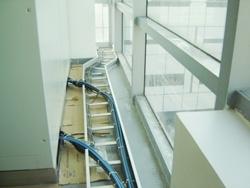 安裝橋架
安裝橋架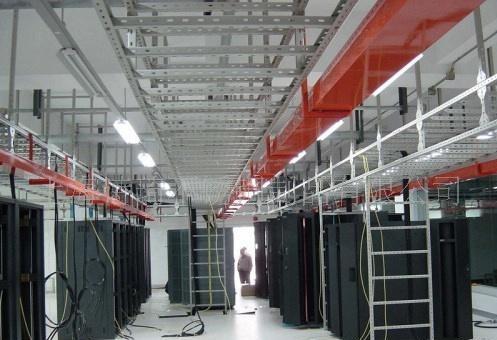 安裝橋架
安裝橋架 安裝橋架
安裝橋架 防火(huo)橋架