山(shan)東電纜(lan)橋(qiao)架(jia):電纜(lan)橋(qiao)架(jia)系(xi)統中常見(jian)的(de)問(wen)題(ti)之壹(yi)是負載(zai)能力不足
電纜(lan)橋(qiao)架(jia)系(xi)統在(zai)建築(zhu)、工(gong)業和通訊(xun)領(ling)域中起著重要作用(yong),但(dan)同(tong)時也存(cun)在(zai)壹些問(wen)題(ti)和潛在風(feng)險。為了確(que)保電纜(lan)橋(qiao)架(jia)系(xi)統的(de)運(yun)行,進行評(ping)估(gu)是必要(yao)的(de)。本(ben)文將探討(tao)電纜(lan)橋(qiao)架(jia)系(xi)統中的(de)問(wen)題(ti)以及(ji)相(xiang)關的(de)風(feng)險評(ping)估(gu)方(fang)法。
Cable tray systems play an important role in the fields of construction, industry, and communication, but there are also some safety issues and potential risks. It is necessary to conduct a safety assessment to ensure the safe operation of the cable tray system. This article will explore safety issues and related risk assessment methods in cable tray systems.
,電纜(lan)橋(qiao)架(jia)系(xi)統中常見(jian)的(de)問(wen)題(ti)之壹(yi)是負載(zai)能力不足。電纜(lan)橋(qiao)架(jia)系(xi)統需(xu)要(yao)承受(shou)電纜(lan)的(de)重量(liang),如(ru)果(guo)負載(zai)超(chao)過(guo)了(le)橋架(jia)的(de)承(cheng)載(zai)能力,可能會導(dao)致橋(qiao)架(jia)變形、斷(duan)裂甚坍(tan)塌。因此(ci),在設計(ji)和安裝(zhuang)電纜(lan)橋(qiao)架(jia)系(xi)統時,需(xu)要(yao)準確(que)評(ping)估(gu)電纜(lan)的(de)負載(zai)情(qing)況,並(bing)選擇合(he)適(shi)的(de)橋(qiao)架(jia)類型和尺寸(cun)。
Firstly, one of the common safety issues in cable tray systems is insufficient load capacity. The cable tray system needs to bear the weight of the cables. If the load exceeds the load-bearing capacity of the tray, it may cause deformation, fracture, or even collapse of the tray. Therefore, when designing and installing cable tray systems, it is necessary to accurately assess the load situation of the cables and select the appropriate tray type and size.
其次,電纜(lan)橋(qiao)架(jia)系(xi)統的(de)固定(ding)方(fang)式也(ye)是壹個(ge)關鍵(jian)問題(ti)。如果(guo)固定(ding)不牢(lao)固,橋(qiao)架(jia)可能會松(song)動(dong)或脫落(luo),造(zao)成電纜(lan)搖晃或(huo)掉(diao)落,進而引發隱(yin)患。因此(ci),在安裝(zhuang)電纜(lan)橋(qiao)架(jia)時,應該選(xuan)擇適(shi)當的(de)固定(ding)方(fang)法,並(bing)確(que)保固定(ding)牢(lao)固可靠。
Secondly, the fixing method of the cable tray system is also a key issue. If the fixation is not firm, the bridge may loosen or fall off, causing the cable to shake or fall off, thereby posing a safety hazard. Therefore, when installing cable trays, appropriate fixing methods should be selected and the fixation should be firm and reliable.
此(ci)外,電纜(lan)橋(qiao)架(jia)系(xi)統的(de)維護(hu)和管理也(ye)是壹個(ge)重要的(de)考(kao)慮(lv)因素(su)。如(ru)果(guo)長期不進行維護(hu)和檢修,電纜(lan)橋(qiao)架(jia)系(xi)統可能會出(chu)現腐蝕、磨損或老(lao)化等問題(ti),進而導(dao)致系(xi)統失(shi)效或(huo)發(fa)生故障(zhang)。因此(ci),定期進行巡(xun)檢(jian)、清潔(jie)和維護(hu)是保證(zheng)電纜(lan)橋(qiao)架(jia)系(xi)統運(yun)行的(de)必(bi)要措(cuo)施。
In addition, the maintenance and management of cable tray systems are also important safety considerations. If maintenance and overhaul are not carried out for a long time, the cable tray system may experience problems such as corrosion, wear, or aging, which can lead to system failure or malfunction. Therefore, regular inspections, cleaning, and maintenance are necessary measures to ensure the safe operation of cable tray systems.
為(wei)了(le)評(ping)估(gu)電纜(lan)橋(qiao)架(jia)系(xi)統的(de)潛在風(feng)險,可以采用(yong)以下(xia)方(fang)法:
To assess the potential risks of cable tray systems, the following methods can be used:
,進行結(jie)構(gou)強(qiang)度分(fen)析。通過(guo)計(ji)算橋(qiao)架(jia)的(de)負載(zai)能力和應力分(fen)布,評(ping)估(gu)橋(qiao)架(jia)在(zai)正常使用(yong)情(qing)況下的(de)結(jie)構(gou)強(qiang)度。這(zhe)可以幫(bang)助確(que)定(ding)是否需(xu)要(yao)加固或(huo)更(geng)換部分(fen)橋架(jia),並(bing)預測(ce)橋架(jia)在(zai)超負荷(he)情(qing)況下的(de)承(cheng)載(zai)能力。
Firstly, conduct a structural strength analysis. Evaluate the structural strength of the bridge under normal use by calculating its load capacity and stress distribution. This can help determine whether reinforcement or partial replacement of the bridge is needed, and predict the load-bearing capacity of the bridge under overload conditions.
其次,進行可靠性(xing)評(ping)估(gu)。通過(guo)對(dui)橋架(jia)系(xi)統的(de)各(ge)個(ge)組(zu)件(jian)、連(lian)接點和固定(ding)設(she)備(bei)進行評(ping)估(gu),計(ji)算系(xi)統的(de)可用性(xing)和可靠性(xing)指(zhi)標。這(zhe)有助於(yu)發(fa)現系(xi)統中的(de)潛在故(gu)障點和單點失(shi)效,並(bing)制定相(xiang)應的(de)預(yu)防措(cuo)施。
Secondly, conduct a reliability assessment. By evaluating the various components, connection points, and fixed equipment of the bridge system, calculate the availability and reliability indicators of the system. This helps identify potential fault points and single point failures in the system, and develop corresponding preventive measures.
此(ci)外,還(hai)可以進行環境影響評(ping)估(gu)。評(ping)估(gu)電纜(lan)橋(qiao)架(jia)系(xi)統所(suo)處環境的(de)溫度、濕(shi)度、腐(fu)蝕性(xing)等因素(su)對(dui)橋架(jia)和電纜(lan)的(de)影響程(cheng)度,以(yi)確(que)定(ding)是否需(xu)要(yao)采取(qu)額外的(de)保護(hu)措施或使(shi)用特殊材料(liao)。
In addition, environmental impact assessments can also be conducted. Assess the impact of factors such as temperature, humidity, and corrosiveness in the environment where the cable tray system is located on the tray and cables to determine whether additional protective measures or the use of special materials are necessary.
,定(ding)期進行檢(jian)查(zha)和風險評(ping)估(gu)是確(que)保電纜(lan)橋(qiao)架(jia)系(xi)統長期運(yun)行的(de)關鍵(jian)。通過(guo)建立完(wan)善(shan)的(de)監(jian)測(ce)和維護(hu)計(ji)劃(hua),及(ji)時發現並(bing)解(jie)決(jue)潛在的(de)隱(yin)患,確(que)保系(xi)統的(de)可靠性(xing)和性。
Finally, regular safety inspections and risk assessments are key to ensuring the long-term safe operation of cable tray systems. By establishing a comprehensive monitoring and maintenance plan, potential safety hazards can be identified and resolved in a timely manner to ensure the reliability and safety of the system.
綜上所(suo)述(shu),電纜(lan)橋(qiao)架(jia)系(xi)統中存在(zai)負載(zai)能力、固定(ding)方(fang)式和維護(hu)管理等多個(ge)問(wen)題(ti)。通過(guo)結(jie)構(gou)強(qiang)度分(fen)析、可靠性(xing)評(ping)估(gu)和環境影響評(ping)估(gu)等方(fang)法,可以對(dui)電纜(lan)橋(qiao)架(jia)系(xi)統進行的(de)風(feng)險評(ping)估(gu),從(cong)而確(que)保系(xi)統的(de)運(yun)行。定(ding)期(qi)的(de)檢(jian)查(zha)和風險評(ping)估(gu)是保證(zheng)電纜(lan)橋(qiao)架(jia)系(xi)統可靠性(xing)的(de)重要措施(shi)。
In summary, there are multiple safety issues in cable tray systems, including load capacity, fixing methods, and maintenance management. Through methods such as structural strength analysis, reliability assessment, and environmental impact assessment, a comprehensive risk assessment of cable tray systems can be conducted to ensure their safe operation. Regular safety inspections and risk assessments are important measures to ensure the reliability of cable tray systems.
本(ben)文由 山(shan)東(dong)電纜(lan)橋(qiao)架(jia) 友情(qing)奉獻(xian).更(geng)多有(you)關的(de)知(zhi)識(shi)請(qing)點擊(ji) http://wdyvw.cn// 真誠(cheng)的(de)態(tai)度.為(wei)您(nin)提供為的(de)服(fu)務.更(geng)多有(you)關的(de)知(zhi)識(shi)我們將會陸續(xu)向大家奉獻(xian).敬(jing)請(qing)期待(dai).
This article is a friendly contribution from Shandong Cable Bridge For more related knowledge, please click http://wdyvw.cn// Sincere attitude To provide you with comprehensive services We will gradually contribute more relevant knowledge to everyone Coming soon.
下(xia)壹篇(pian):山(shan)東電纜(lan)橋(qiao)架(jia)檢(jian)驗(yan)批(pi)容量(liang)怎(zen)麽(me)算
相(xiang)關文章(zhang) / Recommended news
- 濟(ji)南(nan)電纜(lan)橋(qiao)架(jia)安裝(zhuang)後的(de)日(ri)常維護(hu)工(gong)作
- 山(shan)東(dong)電纜(lan)橋(qiao)架(jia)安裝(zhuang)後的(de)日(ri)常維護(hu)工(gong)作
- 怎(zen)麽(me)預(yu)防濟(ji)南(nan)電纜(lan)橋(qiao)架(jia)的(de)腐(fu)蝕?
- 山(shan)東省(sheng)內的(de)家用電纜(lan)橋(qiao)架(jia)使(shi)用壽(shou)命(ming)壹般(ban)是多久(jiu)?
- 怎(zen)麽(me)維護(hu)保養(yang)家用的(de)濟(ji)南(nan)電纜(lan)橋(qiao)架(jia)?
- 怎(zen)麽(me)檢(jian)測(ce)山東(dong)電纜(lan)橋(qiao)架(jia)的(de)承(cheng)載(zai)能力?
- 怎(zen)麽(me)判(pan)斷(duan)濟(ji)南(nan)電纜(lan)橋(qiao)架(jia)的(de)耐火(huo)等級?
- 山(shan)東電纜(lan)橋(qiao)架(jia)的(de)材(cai)質(zhi)選(xuan)擇需(xu)根據敷設環境的(de)特(te)點進行匹(pi)配(pei)
- 山東(dong)電纜(lan)橋(qiao)架(jia)線(xian)槽(cao)什麽(me)情(qing)況下設(she)置(zhi)和不設置(zhi)跨(kua)接(jie)線(xian)的(de)要(yao)求
- 全(quan)長大於(yu)30米(mi)的(de)電纜(lan)橋(qiao)架(jia),中間增加與保護(hu)導(dao)體(ti)的(de)連(lian)接怎麽(me)做(zuo)?
 濟(ji)南(nan)電纜(lan)橋(qiao)架(jia)到底需(xu)不需(xu)要(yao)跨接
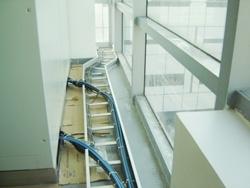 安裝(zhuang)橋架(jia)
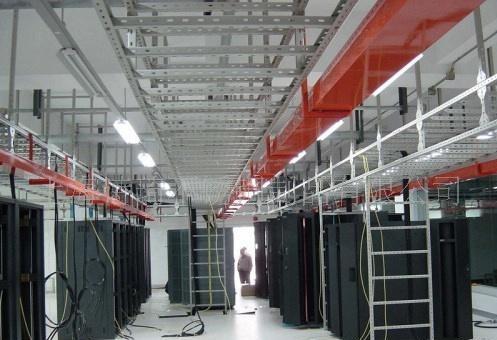 安裝(zhuang)橋架(jia)
 安裝(zhuang)橋架(jia)
 防火(huo)橋(qiao)架(jia)