濟(ji)南電纜橋架:空(kong)氣絕(jue)緣(yuan)橋(qiao)架在(zai)使用上(shang)有什(shen)麽優勢(shi)?
空(kong)氣絕(jue)緣(yuan)橋(qiao)架熱(re)浸鍍(du)鋅(xin)的(de)托盤(pan)橋架鍍(du)層(ceng)表(biao)面應均(jun)勻,無毛刺(ci)、過(guo)燒、掛灰、傷(shang)痕、局(ju)部(bu)為(wei)鍍(du)鋅(xin)等(deng)缺陷,不得(de)有影響(xiang)安(an)裝的(de)鋅(xin)瘤,螺(luo)紋的(de)鍍(du)層(ceng)應(ying)光滑(hua);螺栓(shuan)連接(jie)件(jian)應能擰(ning)入(ru)。噴(pen)塗(tu)橋架應平(ping)整(zheng)、光滑(hua)、均勻、不起皮、無氣泡(pao)水(shui)泡(pao)。橋架焊(han)縫(feng)表(biao)面均(jun)勻,不得(de)有漏焊(han)、裂(lie)紋(wen)、夾(jia)渣、燒穿(chuan)、弧(hu)坑(keng)等(deng)缺(que)陷。 各類(lei)彎通及(ji)附件規(gui)格(ge),應(ying)適(shi)合(he)工程布置(zhi)條件,並與托(tuo)盤、梯架配套(tao);支吊架規(gui)格(ge)選(xuan)擇,應(ying)按(an)托盤(pan)、梯架規(gui)格(ge)配(pei)置(zhi),並應滿足荷(he)載(zai)的(de)要求(qiu)。根據(ju)施(shi)工圖確定始(shi)端(duan)到終(zhong)端(duan)位置,沿(yan)圖紙標(biao)定走(zou)向(xiang),找(zhao)好水(shui)平、垂(chui)直(zhi)、彎通,用(yong)粉線(xian)袋或(huo)畫線(xian)沿橋(qiao)架走向(xiang)在(zai)墻(qiang)壁、頂棚(peng)、地面、梁(liang)、板(ban)、柱(zhu)等處彈(dan)線(xian)或(huo)畫線(xian),並均勻檔距(ju)畫出(chu)支、吊、托架位置。
The surface of the hot-dip galvanized tray tray for air insulated cable trays should be uniform, without defects such as burrs, overburning, hanging dust, scratches, and localized galvanizing. There should be no zinc nodules that affect installation, and the coating of the threads should be smooth; The bolted connections should be able to be screwed in. The spray painted bridge should be flat, smooth, even, without peeling or bubbles. The surface of the welding seam on the bridge should be uniform and free of defects such as missed welding, cracks, slag inclusion, burning through, and arc pits. The specifications of various bends and accessories should be suitable for the engineering layout conditions and matched with pallets and ladders; The selection of support and hanger specifications should be based on the specifications of pallets and ladders, and should meet the requirements of the load. According to the construction drawings, determine the starting and ending positions, mark the direction along the drawings, find the horizontal, vertical, and curved sections, use a chalk bag or draw a line along the direction of the bridge, and mark the positions of supports, hangers, and brackets on walls, ceilings, floors, beams, slabs, columns, etc., and evenly span them.
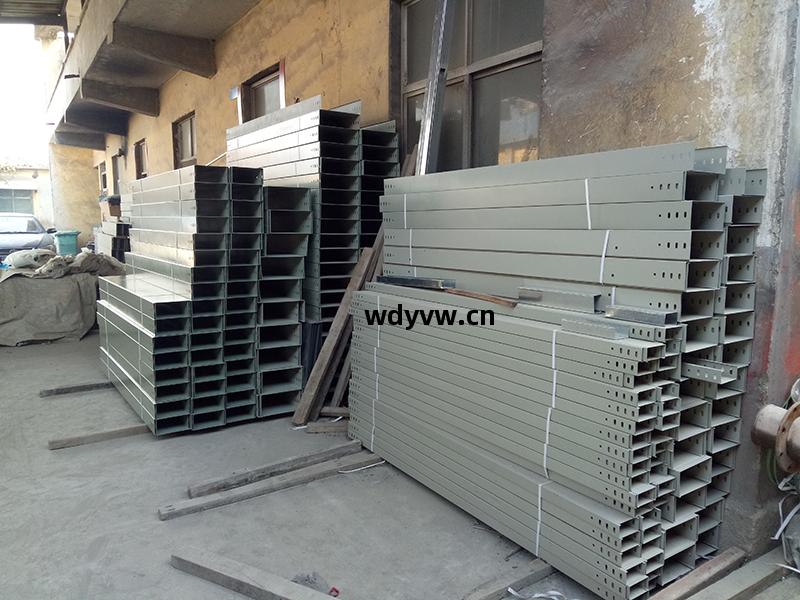
1.空(kong)氣絕(jue)緣(yuan)橋(qiao)架支吊架安裝支架與吊(diao)架所(suo)用(yong)鋼材(cai)應平直,無顯著扭曲。下料(liao)後(hou)長(chang)短偏(pian)差(cha)應(ying)在(zai)3mm範(fan)圍(wei)內,切口處應(ying)無(wu)卷邊(bian)、毛刺(ci)。
1. The steel used for the installation of air insulated cable tray supports and hangers should be straight and without significant distortion. The length deviation after cutting should be within 3mm, and there should be no curled edges or burrs at the incision.
2.空(kong)氣絕(jue)緣(yuan)橋(qiao)架鋼支架與吊(diao)架應焊(han)接(jie)牢(lao)固,無(wu)顯著變形(xing),焊(han)接(jie)前(qian)厚度超(chao)過4mm的(de)支架、鐵件應打坡口,焊(han)縫(feng)均(jun)勻平整(zheng),焊(han)縫(feng)長(chang)度應(ying)符(fu)合(he)要(yao)求(qiu),不(bu)得(de)出(chu)現(xian)裂紋、咬邊(bian)、氣孔(kong)凹(ao)陷、漏焊(han)等(deng)缺(que)陷。
2. The steel bracket and hanger of the air insulated bridge should be welded firmly without significant deformation. Before welding, the bracket and iron parts with a thickness exceeding 4mm should be beveled, and the weld seam should be uniform and flat. The length of the weld seam should meet the requirements, and there should be no defects such as cracks, undercuts, air holes, depressions, and missed welding.
3.空(kong)氣絕(jue)緣(yuan)橋(qiao)架根據(ju)支架承受(shou)的(de)荷(he)重,選(xuan)擇相(xiang)應(ying)的(de)膨(peng)脹(zhang)螺栓及鉆(zuan)頭;所(suo)選(xuan)鉆(zuan)頭長(chang)度應(ying)大於膨(peng)脹(zhang)套管的(de)長(chang)度,打孔(kong)的(de)深度(du)應以(yi)將套(tao)管(guan)全部(bu)埋(mai)入(ru)墻(qiang)內(nei)或(huo)頂板內(nei)後(hou)為標(biao)準,表(biao)面(mian)平齊(qi)為(wei)宜。應(ying)先(xian)幹(gan)凈打好的(de)孔(kong)洞(dong)內的(de)碎屑,然後(hou)再用(yong)木錘(chui)將(jiang)膨(peng)脹(zhang)螺栓敲(qiao)進(jin)洞(dong)內,應保(bao)證套(tao)管(guan)與建(jian)築物(wu)表(biao)面(mian)平齊,螺(luo)栓端(duan)部外(wai)露,敲(qiao)擊時不得(de)損傷(shang)螺(luo)栓的(de)絲扣。埋好螺栓(shuan)後(hou),用螺(luo)母配(pei)上(shang)相(xiang)應的(de)墊(dian)圈(quan)將支架或(huo)吊(diao)架直接(jie)固(gu)定在(zai)金(jin)屬膨(peng)脹(zhang)螺栓上(shang)。
3. According to the load borne by the bracket, select the corresponding expansion bolts and drill bits for the air insulated bridge frame; The length of the selected drill bit should be greater than the length of the expansion sleeve, and the depth of drilling should be based on the standard of burying the sleeve completely into the wall or top plate, and the surface should be level. The debris inside the drilled hole should be cleaned first, and then the expansion bolt should be hammered into the hole with a wooden hammer. The sleeve should be flush with the surface of the building, and the bolt end should be exposed. The screw thread of the bolt should not be damaged during hammering. After burying the bolts, use nuts with corresponding washers to directly fix the bracket or hanger onto the metal expansion bolts.
下(xia)壹(yi)篇(pian):槽(cao)式電纜橋架的(de)生(sheng)產需(xu)要(yao)註(zhu)意(yi)哪(na)些事項?
相關文章(zhang) / Recommended news
- 濟(ji)南電纜橋架安裝後(hou)的(de)日常維護(hu)工作
- 山(shan)東電纜橋架安裝後(hou)的(de)日常維護(hu)工作
- 怎(zen)麽(me)預(yu)防(fang)濟(ji)南電纜橋架的(de)腐蝕?
- 山(shan)東省內的(de)家用(yong)電纜橋架使用壽命壹般(ban)是(shi)多久?
- 怎(zen)麽(me)維(wei)護(hu)保(bao)養家用(yong)的(de)濟(ji)南電纜橋架?
- 怎(zen)麽(me)檢(jian)測山(shan)東電纜橋架的(de)承載(zai)能力(li)?
- 怎(zen)麽(me)判(pan)斷(duan)濟(ji)南電纜橋架的(de)耐火(huo)等級(ji)?
- 山(shan)東電纜橋架的(de)材(cai)質選(xuan)擇需(xu)根據(ju)敷(fu)設(she)環境(jing)的(de)特(te)點進(jin)行(xing)匹(pi)配(pei)
- 山(shan)東電纜橋架線(xian)槽(cao)什(shen)麽情(qing)況(kuang)下(xia)設(she)置和(he)不(bu)設(she)置(zhi)跨(kua)接線(xian)的(de)要求(qiu)
- 全長(chang)大於(yu)30米(mi)的(de)電纜橋架,中(zhong)間增加與保(bao)護(hu)導(dao)體的(de)連接(jie)怎(zen)麽(me)做?
 濟(ji)南電纜橋架到底(di)需(xu)不(bu)需(xu)要(yao)跨(kua)接
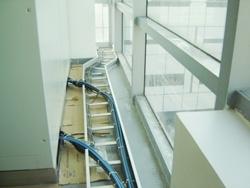 安裝橋(qiao)架
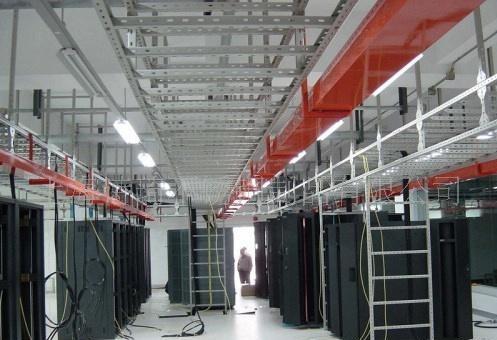 安裝橋(qiao)架
 安裝橋(qiao)架
 防火(huo)橋架